Crispy Meets Creamy: Use Vegetable Textures Intentionally in Your Cooking

Crispy Meets Creamy: Use Vegetable Textures Intentionally in Your Cooking
When we talk about vegetables, we often focus on flavor, color, and freshness. But there’s another dimension that can completely transform a dish: texture. The way a vegetable feels in your mouth can turn an ordinary meal into something memorable. The interplay between crispy, creamy, tender, and juicy elements creates contrast and excitement. Learning to use vegetable textures intentionally is one of the simplest ways to elevate your cooking—whether you’re making a quick weeknight salad or a dinner-party centerpiece.
Why Texture Matters
Texture is about experience. It’s the satisfying crunch of a fresh carrot, the silky softness of roasted eggplant, or the velvety smoothness of a pureed cauliflower. When you combine different textures, you engage more of your senses—and that makes food more interesting and enjoyable.
A meal where everything feels the same can quickly become dull. A creamy soup becomes more dynamic with a crunchy topping, and a crisp salad feels more balanced when something soft or juicy is added. Just as we balance sweet, salty, sour, and bitter flavors, we can balance textures to create harmony on the plate.
Crispy: Freshness and Energy on the Plate
Crispness signals freshness and vitality. Raw vegetables like carrots, radishes, cucumbers, and snap peas bring a natural crunch that wakes up your palate. To keep that crunch, avoid overcooking—or give vegetables a quick plunge in ice water after blanching.
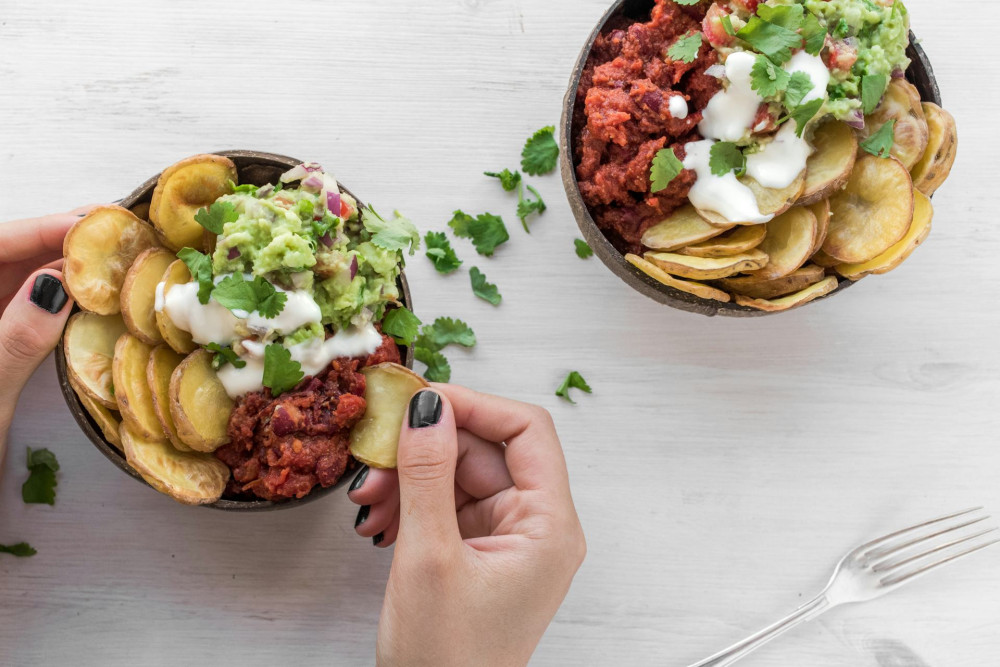
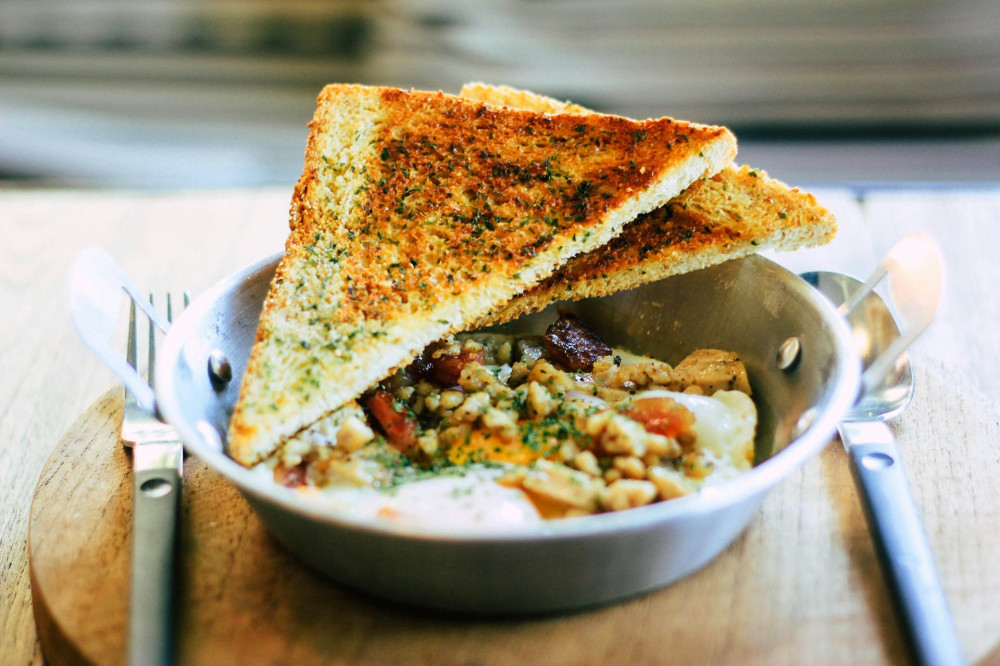
To add crispness to warm dishes, try roasted chickpeas, toasted nuts, or thin vegetable chips as toppings. Even a simple bowl of pasta feels more exciting with a sprinkle of something crunchy on top.
Soft and Creamy: Comfort and Depth
Soft and creamy textures bring comfort and richness. Think of roasted root vegetables, mashed potatoes, or a smooth puree of cauliflower or parsnip. These elements add warmth and balance to the crisp and crunchy.
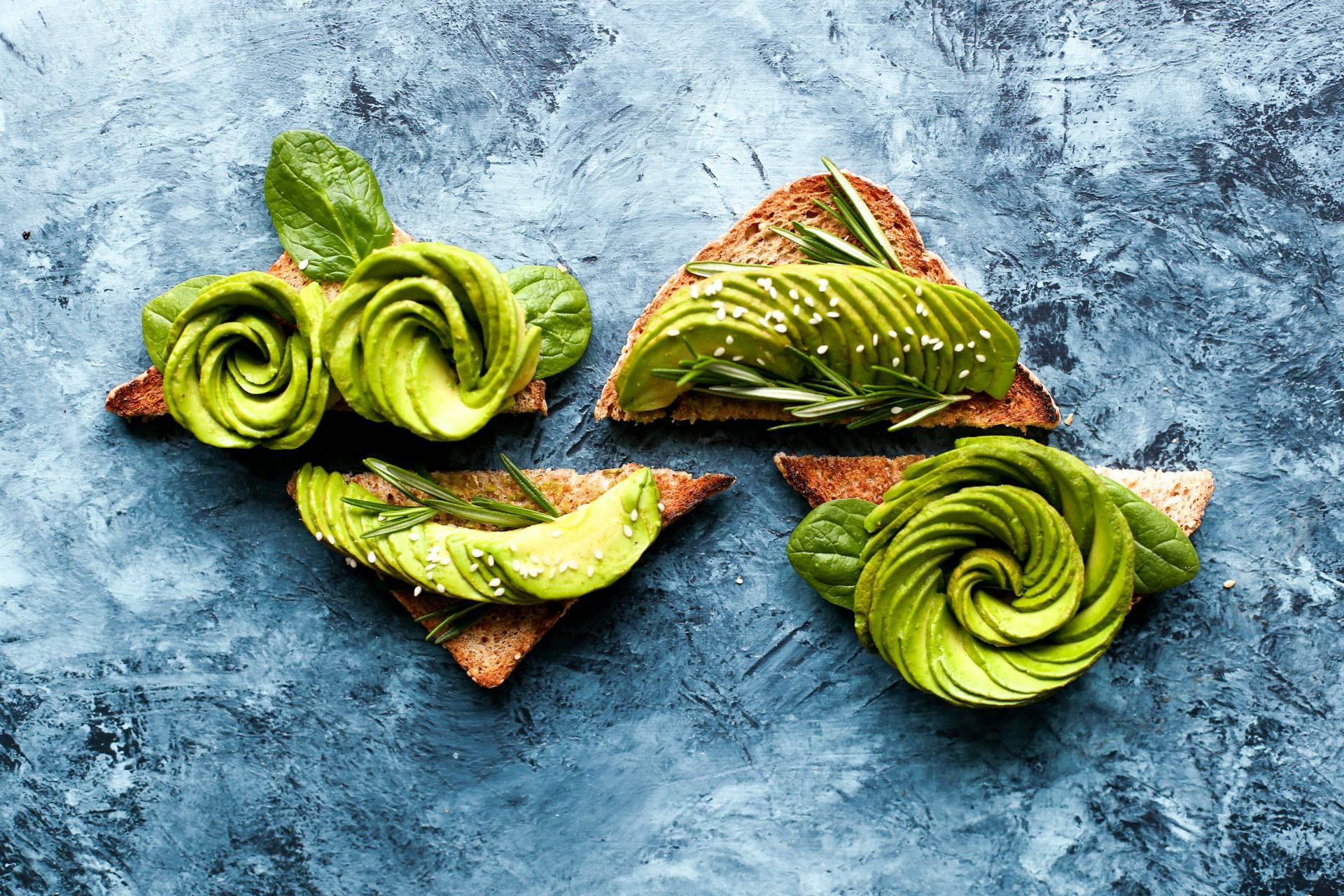
You can also use vegetables to create natural creaminess without dairy. Blend roasted butternut squash or sweet potato with a drizzle of olive oil and a squeeze of lemon juice for a silky, satisfying texture that pairs beautifully with grains, meats, or other vegetables.
Læs også:
Juicy and Fresh: Bringing Life to the Dish
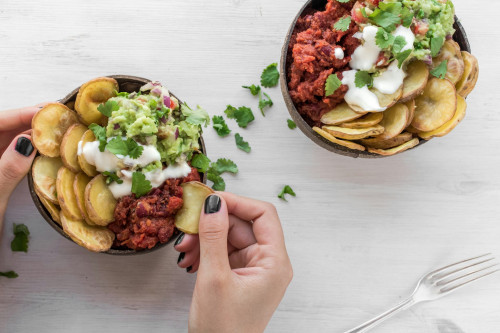
Some vegetables add juiciness that ties everything together. Tomatoes, cucumbers, and fresh herbs bring moisture and brightness that balance heavier components. In warm dishes, lightly steamed vegetables like zucchini or spinach can add a gentle, juicy contrast.
Think of vegetables the way you think of sauces—they can add moisture, flavor, and balance. A chunky tomato salsa or quick cucumber relish can lift even the simplest meal.
How to Create Balance in a Dish
When planning a meal, ask yourself: What textures are present here? If everything is soft, add something crisp. If everything feels dry, add something juicy. It’s not about making things complicated—it’s about creating variety.
A few examples:
- A creamy pumpkin soup becomes more exciting with a sprinkle of toasted pumpkin seeds and diced apple on top.
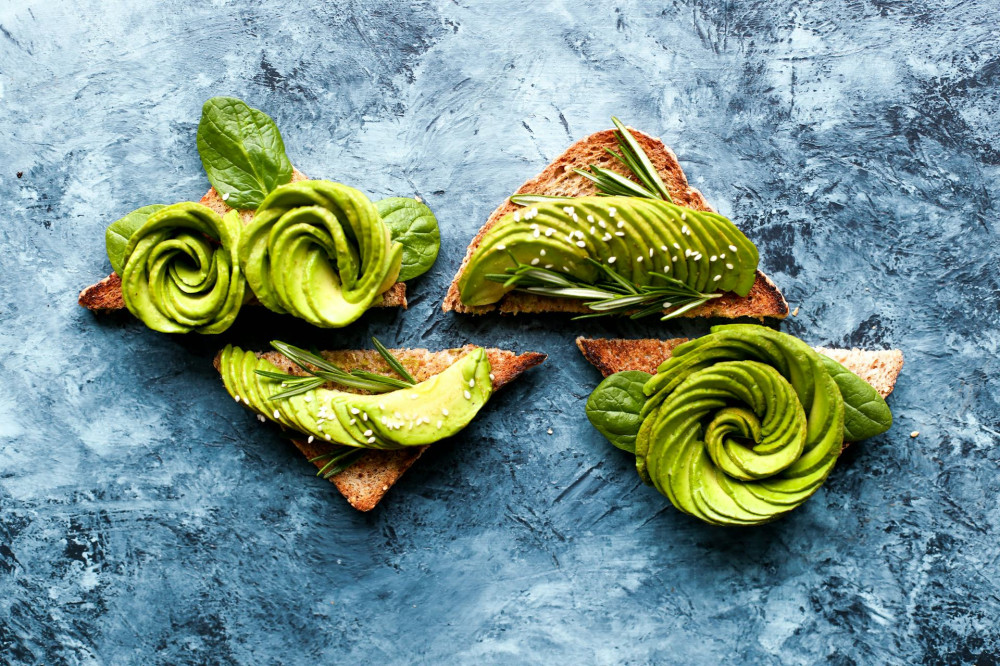
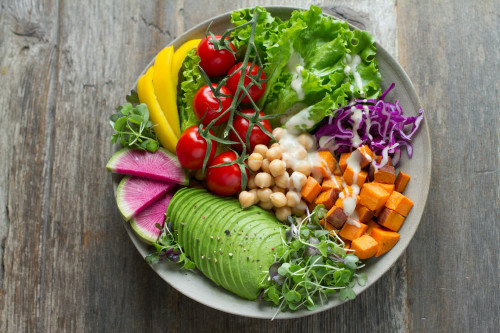
- A slaw or chopped salad gains depth from roasted beets or avocado cubes.
- A vegetable pasta feels more complete when topped with crispy vegetable ribbons or toasted nuts.
Small adjustments can make a big difference.
Play with Cooking Methods
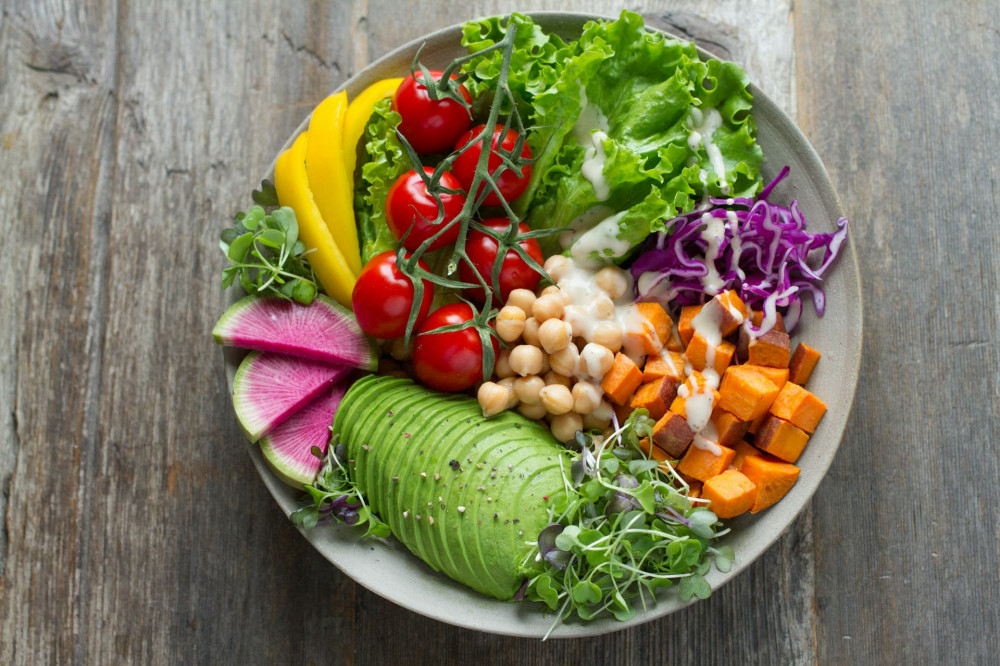
Cooking methods have a huge impact on texture. The same vegetable can be crisp, tender, or creamy depending on how you prepare it. Raw carrots crunch, while roasted carrots turn sweet and soft. Steaming preserves juiciness, while roasting or grilling adds caramelized edges and bite.
Try combining multiple cooking methods in one dish—like mixing raw and roasted vegetables. The result is a plate full of contrast and character.
A New Way to Think About Vegetables
Using vegetable textures intentionally isn’t just a technique—it’s a mindset. It’s about seeing vegetables not as side dishes, but as stars in their own right. When you start thinking in contrasts—crispy versus creamy, juicy versus dry—you open up a world of creative possibilities. That’s when vegetables truly shine.
Læs også: