Make Your Own Baking Spices – Taste the Difference in Your Baked Goods

Make Your Own Baking Spices – Taste the Difference in Your Baked Goods
There’s something magical about the smell of freshly baked bread or cookies filling your kitchen. But have you ever thought about how much the spices contribute to that irresistible aroma and flavor? By making your own baking spice blends, you can give your baked goods a personal touch—while avoiding unnecessary additives and excess sugar. Here’s how to create your own blends and elevate everything from muffins to pies and cookies.
Why Make Your Own Baking Spices?
Store-bought spice mixes are convenient, but they often contain fillers, artificial flavors, or added sugar that can dull the natural taste of your baked goods. When you mix your own, you have full control over the ingredients and can tailor the flavor exactly to your liking.
It’s also a budget-friendly and sustainable choice. You can use the spices you already have in your pantry instead of buying new blends that might only get used once a year. Plus, experimenting with spices is a fun and creative way to spend time in the kitchen.
Classic Baking Spices – and What They Bring to the Table
Most baking spice blends are built around warmth, sweetness, and aroma. Here are some of the most common spices and what they add:
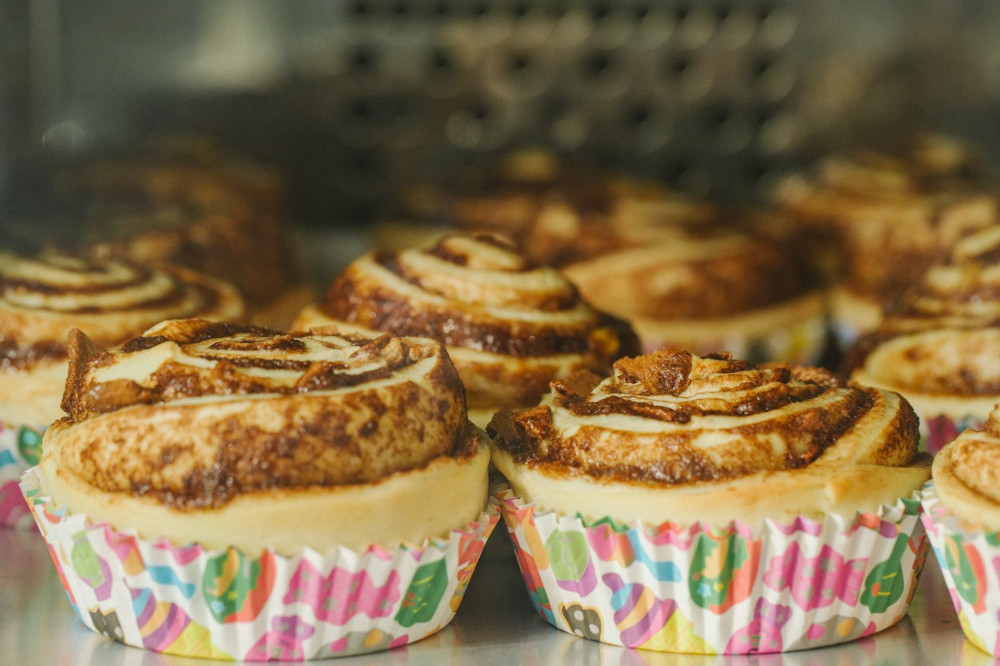
- Cinnamon – warm and sweet, perfect for everything from cinnamon rolls to apple pie.
- Cardamom – bright and slightly citrusy, adds depth to breads and pastries.
- Ginger – a bit sharp and spicy, great in gingerbread, cookies, and pumpkin desserts.
- Cloves – rich and intense, pairs beautifully with cinnamon and ginger.
- Nutmeg – nutty and smooth, ideal for both sweet and savory baking.
- Vanilla – enhances sweetness and adds a soft, comforting aroma.
Once you understand each spice’s character, you can start combining them to create your own signature blends.
Three Easy Blends to Get You Started
1. Classic Holiday Spice Mix
Perfect for cookies, gingerbread, and spice cakes. Combine cinnamon, ginger, cloves, and nutmeg in a 4:2:1:1 ratio. Store in an airtight jar and use 1–2 teaspoons per batch of dough.
2. Breakfast Blend for Pancakes and Muffins
A milder mix that adds warmth without overpowering. Combine cinnamon, vanilla powder, and nutmeg in a 3:2:1 ratio. Try it in pancakes, waffles, or sweet rolls.
3. Citrus Spice Mix for Cakes
Fresh and aromatic—great for pound cakes and cupcakes. Mix finely grated lemon zest, cardamom, and ginger in a 2:2:1 ratio. Add a little sugar if you’d like to use it as a topping.
How to Get the Most Flavor from Your Spices
Spices lose their potency over time, especially when exposed to light and heat. Store your blends in small, airtight jars in a cool, dark place. For extra intensity, lightly toast whole spices in a dry skillet before grinding them. This releases their natural oils and deepens the flavor.
Another tip: mix your spices into the wet ingredients—like butter, milk, or eggs—before combining them with the dry ingredients. This helps the flavor distribute evenly throughout the batter.
Læs også:


Make It Part of Your Baking Tradition
Creating your own baking spices isn’t just practical—it’s a way to build traditions. You can make special blends for holidays, give them as homemade gifts, or develop a “house blend” that becomes your signature flavor.
Once you start experimenting, you’ll be amazed at how small adjustments can transform familiar recipes. A touch of extra cardamom in your morning muffins or a hint of ginger in your chocolate cake can turn the ordinary into something extraordinary.
Taste the Difference – and Find Your Own Style
There are no strict rules for how a baking spice blend should taste. It’s all about balance and personal preference. Start with small amounts, taste as you go, and jot down what works best. Over time, you might discover your own unique blend—a scent and flavor that make your baked goods unmistakably yours.
Læs også: