Personal Data in Beauty Care – When Technology Gets to Know Your Skin

Personal Data in Beauty Care – When Technology Gets to Know Your Skin
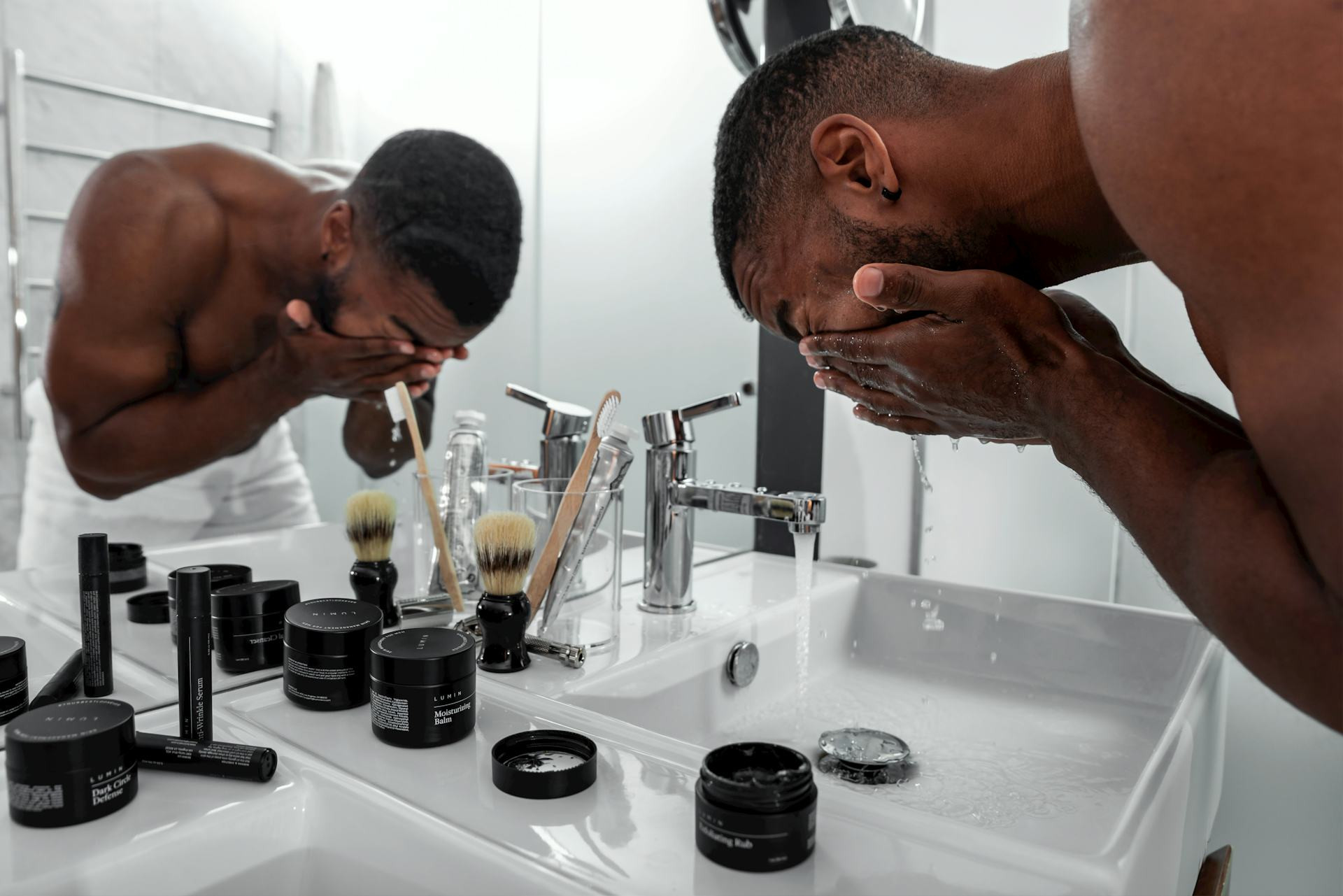
Imagine a skincare routine that doesn’t rely on guesswork but on precise data about your skin’s condition, lifestyle, and environment. This is no longer science fiction—it’s the reality of a beauty industry where technology and self-care are merging. From smart mirrors to apps that analyze your skin in real time, personal data has become a key ingredient in modern beauty. But what does that mean for you as a consumer—and where is the line between helpful innovation and digital surveillance?
When Algorithms Meet Moisturizer
In recent years, the beauty industry has taken a technological leap. Artificial intelligence, sensors, and image recognition are now used to tailor products and routines. Many brands offer apps that let you take a selfie, after which algorithms assess everything from hydration levels to pigmentation. The result: recommendations that fit your skin type and needs with remarkable precision.
Some companies go even further, combining data from your lifestyle—sleep, diet, stress levels, and local climate—to predict how your skin will react. In this way, skincare becomes not just reactive but preventive.
Læs også:


Data as the New Beauty Currency
For this technology to work, it needs access to large amounts of personal data. That can include facial images, age, health information, and even your location. These data help improve algorithms and create more accurate products—but they also have value in themselves.
Consumers often share their information willingly because they get something tangible in return: better results, personalized advice, and a sense of exclusivity. Yet this raises important questions about ownership and use. Who controls your data? Can it be shared with third parties or used for marketing without your explicit consent?
Privacy Challenges in a Connected World
When technology learns your skin, it also learns a lot about you. A photo of your face can reveal age, mood, and even health indicators. That’s why it’s crucial for companies to handle data responsibly and transparently.
In the United States, privacy protection is more fragmented than in Europe. While California’s Consumer Privacy Act (CCPA) and similar state laws give residents some control over their data, there is no single federal law equivalent to the EU’s GDPR. This means consumers must be extra vigilant—reading privacy policies carefully and choosing brands that clearly explain how they collect, store, and use personal information.
Technology as a Tool, Not a Replacement
While data and algorithms can provide valuable insights, they can’t replace human expertise. Skincare is still about touch, habits, and individual differences that no app can fully predict. Technology should therefore be seen as a supplement—a tool to help you understand your skin better, not as the ultimate authority.
Dermatologists often recommend a balanced approach: use technology to track and learn, but consult professionals for specific concerns or conditions. The best results come from combining digital precision with human understanding.
The Mirror of the Future Sees More Than You Think
The innovation doesn’t stop here. In the near future, smart mirrors may measure skin hydration, track UV exposure, and remind you when it’s time to reapply sunscreen. Some prototypes even aim to link skin data to overall health—detecting early signs of illness through subtle changes in color or texture.
These possibilities are exciting, but they also raise ethical questions. How much should technology know about us to be truly helpful? And when does convenience turn into surveillance?
A New Balance Between Beauty and Responsibility
Personal data in beauty care represents both progress and challenge. On one hand, we gain products that fit us better than ever before. On the other, we must become more aware of what we share—and why.
The future of beauty isn’t just about glow and hydration; it’s about trust. The brands that manage to combine innovation with respect for privacy will stand strongest in a time when our skin—and our data—reveal more than we might imagine.
Læs også: