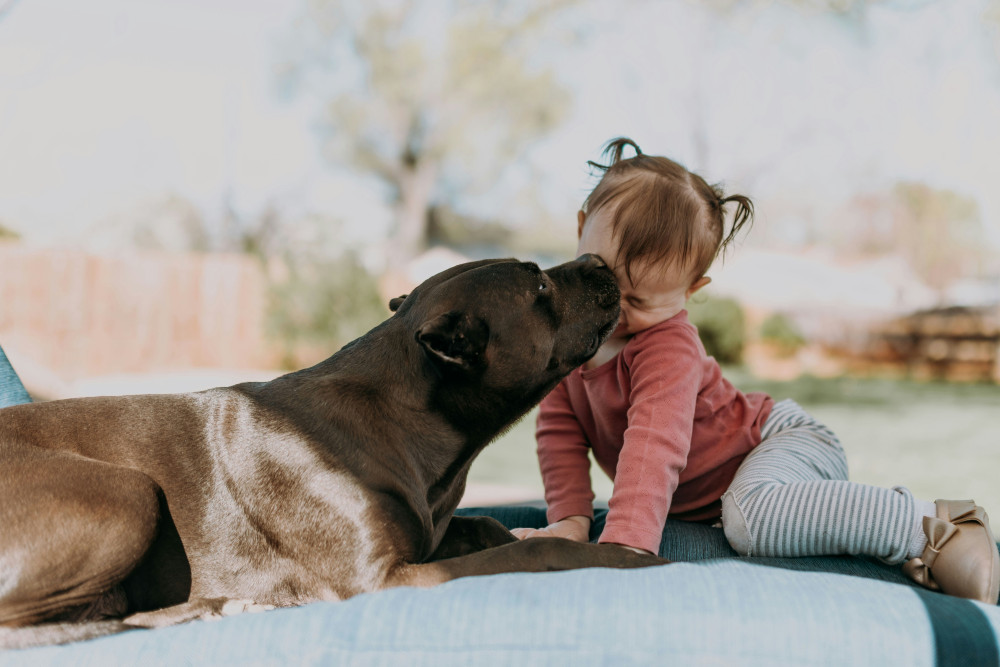
Pets and Children: Connection, Care, and Emotional Development

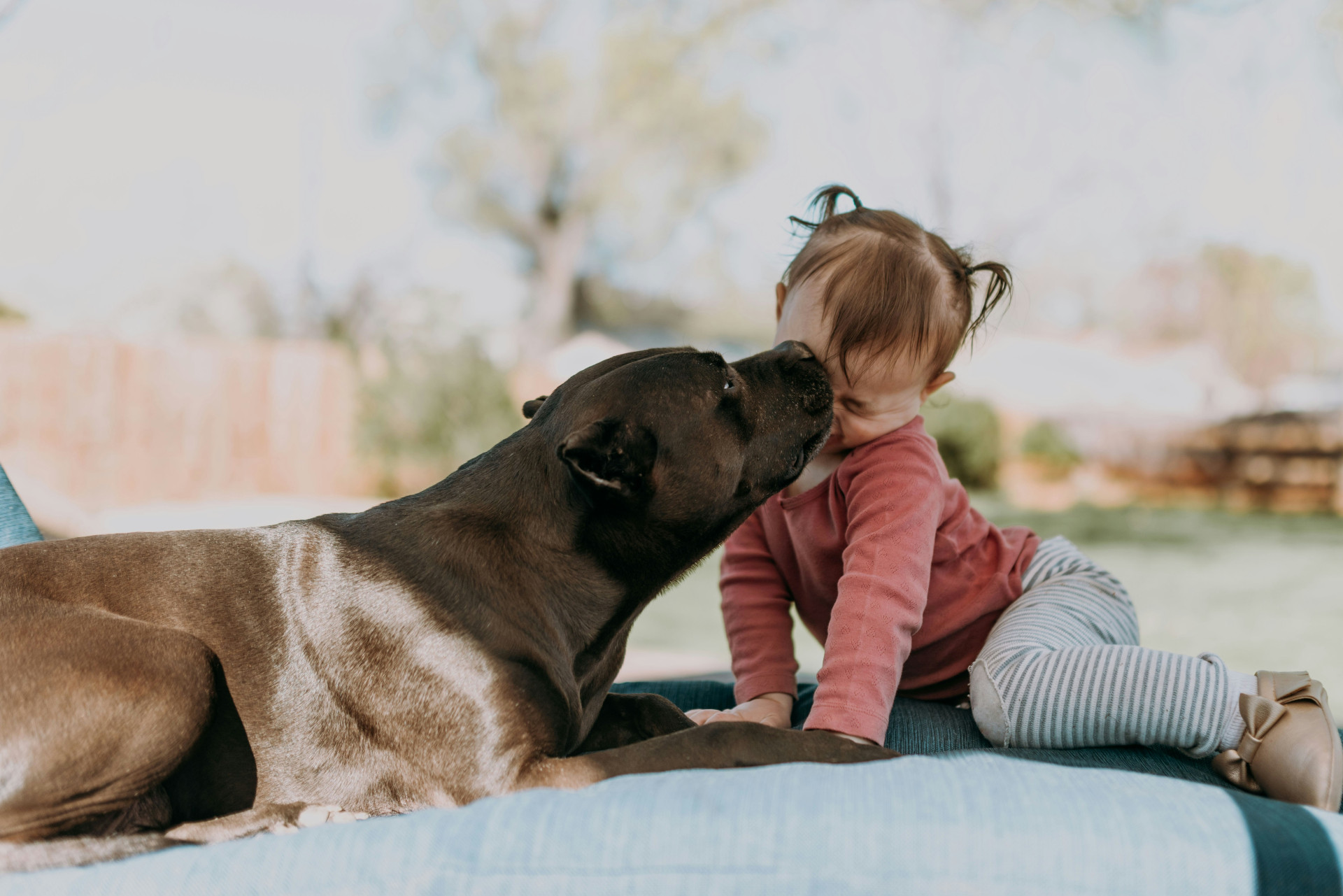
Pets and Children: Connection, Care, and Emotional Development
When a child grows up with a pet, a special bond often forms — one that goes beyond playtime and daily routines. Pets can become trusted friends, teachers of empathy, and sources of comfort. They offer children a tangible way to experience responsibility, compassion, and emotional growth. But how exactly do pets influence children, and what should parents keep in mind?
A Friendship Beyond Words
For many children, a pet is their first relationship where words aren’t the main form of communication. A dog, cat, or rabbit responds to tone, body language, and presence — teaching children to read nonverbal cues and understand emotions expressed without speech. This can strengthen a child’s empathy and emotional awareness, as they see how their actions and moods affect another living being.
Pets also provide a sense of unconditional acceptance. They don’t judge, and they live in the moment. For a child, having a companion who always listens — even after a tough day — can be deeply comforting.
Læs også:



Learning Care and Responsibility
Owning a pet involves daily routines: feeding, walking, cleaning, and giving attention. When children take part in these tasks, they learn that care requires effort and consistency. Simple actions like refilling a water bowl or brushing fur help them understand that other beings have needs that must be met.
Parents play a key role here. It’s important to match responsibilities to a child’s age and maturity so that caring for a pet remains a positive experience rather than a burden. These moments can also open up conversations about life, loss, and change — topics that pets naturally bring into a child’s world.
Emotional Growth and a Sense of Security
Research in the U.S. has shown that children who grow up with pets often develop stronger emotional stability. Animals can have a calming effect, reduce stress, and provide a sense of safety — especially during times of transition, such as moving to a new home, starting school, or coping with family changes.
A pet can also serve as a “bridge” in social situations. Many children find it easier to talk to others when the conversation starts with their pet, which can boost confidence and help them build friendships.
Love with Boundaries
While pets bring joy and companionship, they also require time, patience, and financial commitment. It’s essential that the whole family agrees on the decision to get a pet and that children understand a pet is not a toy but a living being with its own needs and limits.
Parents should be realistic about how much responsibility a child can handle and use the experience as an opportunity to teach respect for animals. Caring for a pet isn’t just about affection — it’s also about understanding boundaries, both the pet’s and the child’s.
A Bond That Lasts
Many adults look back on their childhood pets as some of the most meaningful parts of growing up. Memories of the first dog, the cat that slept at the foot of the bed, or the guinea pig that squeaked with excitement become woven into their personal stories.
Pets teach children that love can be quiet, patient, and mutual. They show that care is expressed not only through words but through actions and presence. And they remind us that connection can be found in the smallest moments — in a look, a paw, or a gentle purr.
Læs også: