Yoga in a Time of Change – Finding Inner Calm Amid the Hustle

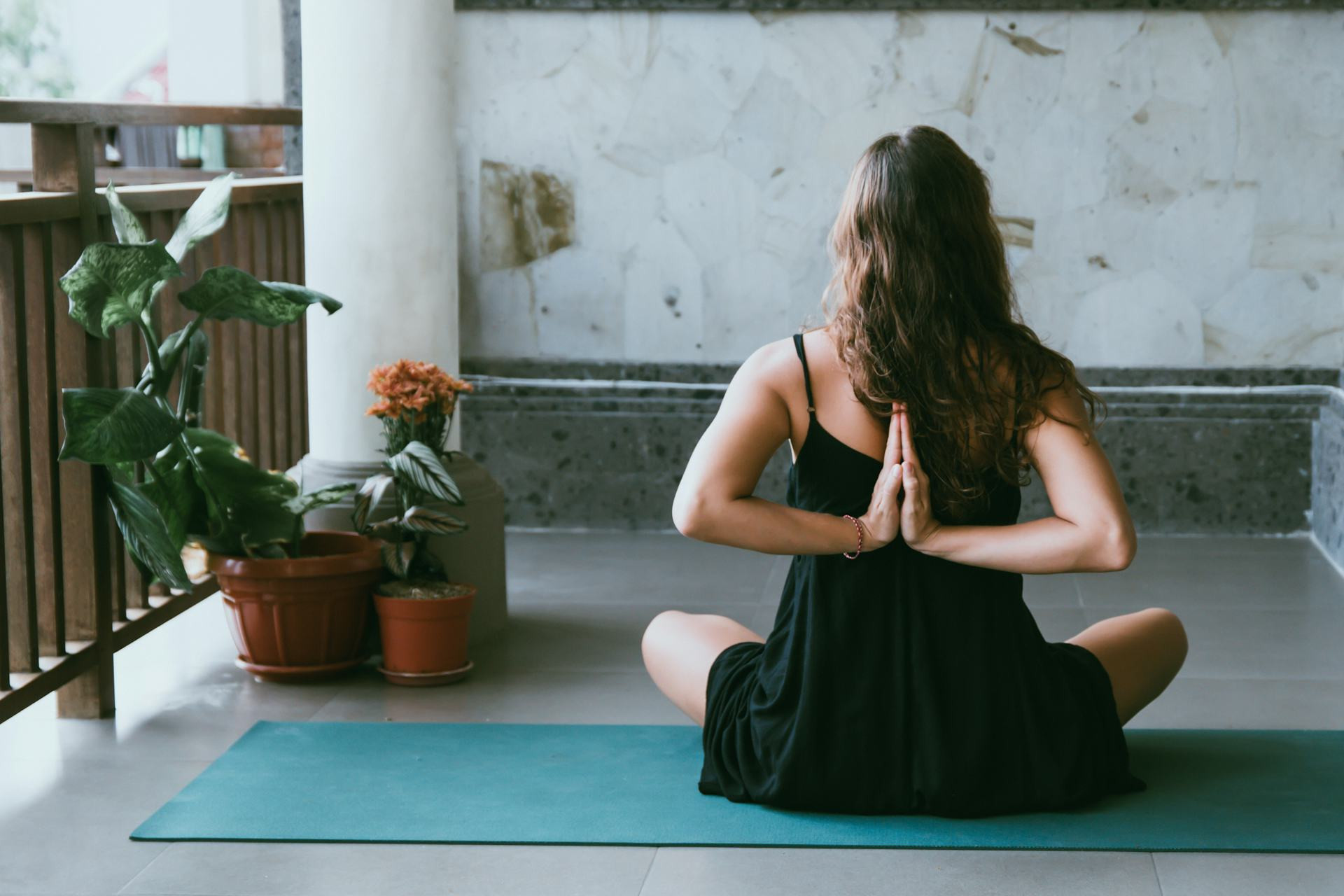
Yoga in a Time of Change – Finding Inner Calm Amid the Hustle
In a world that seems to move faster every day, where work, family, and social demands often collide, many Americans are searching for ways to slow down and reconnect with themselves. Yoga, once seen as a niche practice for the spiritually inclined, has become a mainstream path to physical health, mental clarity, and emotional balance. Yet yoga itself is evolving—adapting to new lifestyles, technologies, and cultural shifts. How can yoga help us find inner calm amid the hustle, and what does modern yoga look like in the United States today?
From Ancient Roots to Modern Practice
Yoga’s origins stretch back thousands of years to India, where it was developed as a spiritual discipline uniting body, mind, and spirit. When yoga began to spread in the West during the 20th century, it was often viewed through a physical fitness lens. Over time, however, Americans have embraced its deeper benefits—mindfulness, breath awareness, and stress relief.
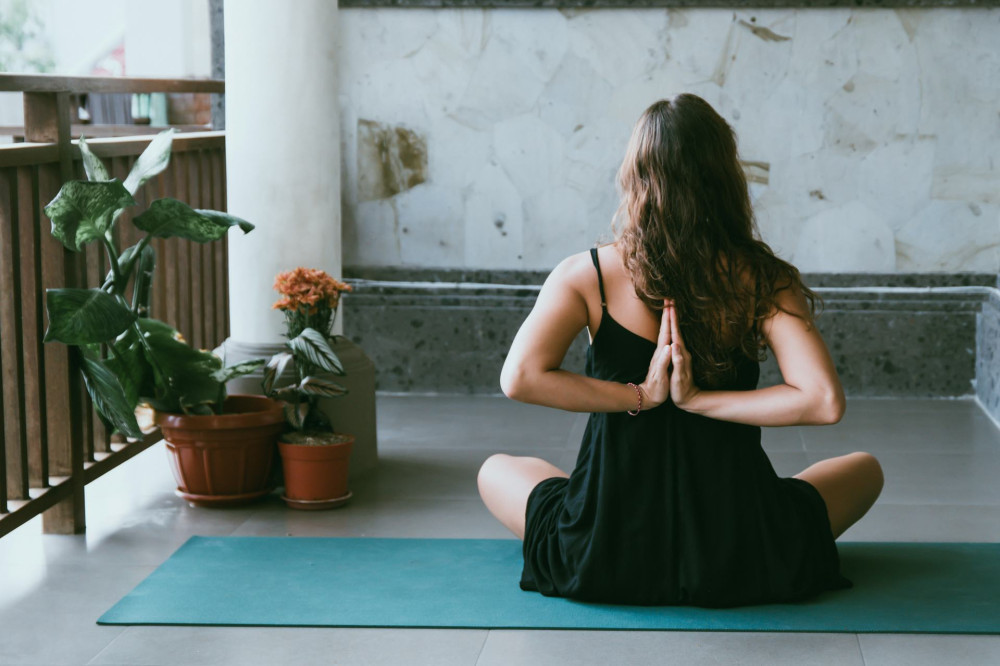
Today, yoga takes countless forms: from traditional hatha and vinyasa classes to hot yoga, restorative sessions, and even online streaming practices that can be done in a living room or hotel room. Despite the variety, the essence remains the same—creating harmony between body and mind through movement, breath, and presence. That connection is what makes yoga such a powerful antidote to the pace of modern life.
Yoga as a Remedy for Stress
Stress has become a defining feature of American life. Long work hours, constant connectivity, and the pressure to stay productive can leave little room for rest. Yoga offers a pause—a space to breathe, stretch, and simply be. Research from institutions like Harvard Medical School and the National Institutes of Health has shown that regular yoga practice can lower blood pressure, reduce stress hormones, and improve sleep quality.
Even a short 15–20 minute session can make a difference. It’s not about mastering advanced poses but about creating a moment of stillness where you can reconnect with your body and breath. Many practitioners find that yoga not only strengthens the body but also cultivates mental clarity and emotional resilience—qualities that help us stay grounded amid life’s constant changes.
New Forms of Yoga and Community
In recent years, yoga has expanded far beyond the traditional studio. You can now find yoga in parks, corporate offices, community centers, and even public schools. Apps and online platforms make it possible to practice anytime, anywhere—whether you’re at home, traveling, or taking a break during the workday.
At the same time, yoga has become a source of community. Many people come for the physical benefits but stay for the sense of belonging. Studios and retreats offer spaces for reflection, conversation, and shared experience—places where people can support one another in the pursuit of balance and well-being.
The Quiet Power of Breath and Mindfulness
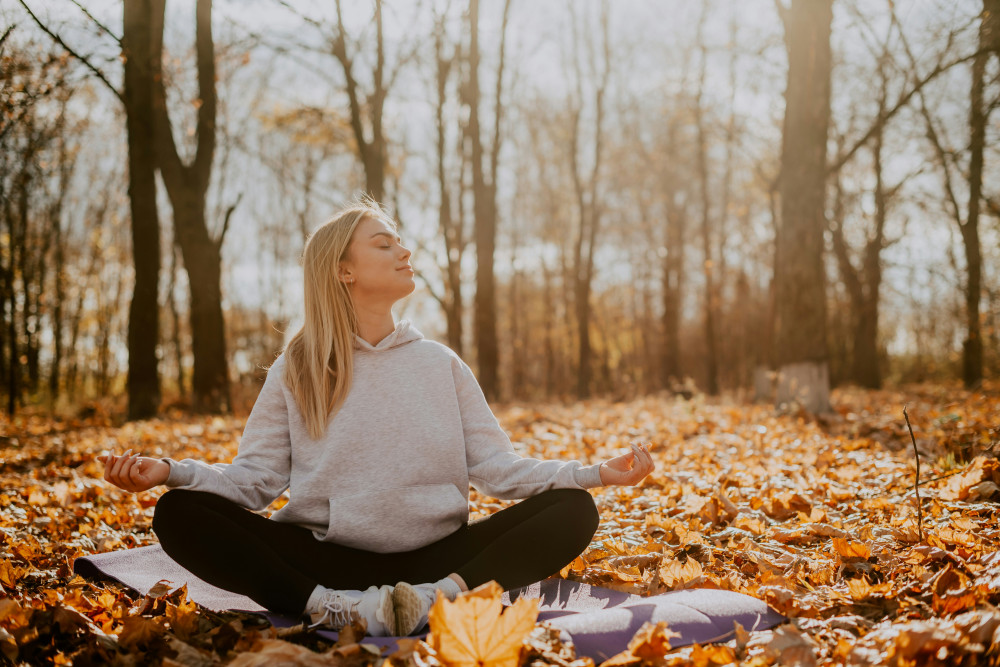
One of yoga’s most transformative aspects is its focus on the breath. In a culture driven by multitasking and constant stimulation, conscious breathing acts as a reset button. Practices like pranayama—controlled breathing—help calm the nervous system and bring awareness to the present moment.
When combined with mindfulness, yoga becomes more than a physical exercise. It becomes a way of living—an invitation to meet each moment with awareness and compassion. The lessons learned on the mat can ripple outward, shaping how we respond to challenges, relationships, and the world around us.
Yoga in the Digital Age
The rise of social media and online yoga classes has made the practice more accessible than ever, but it also raises questions: Can we truly find peace through a screen? Many appreciate the flexibility of digital yoga, yet still crave the authenticity of in-person connection. This has led to a growing movement toward “slow yoga” and unplugged experiences—retreats without phones, outdoor sessions in nature, and classes that emphasize presence over performance.
These trends reflect a broader desire to balance technology with mindfulness—to use digital tools without losing touch with what makes yoga meaningful: awareness, connection, and stillness.
Læs også:

Finding Your Own Path to Calm
There is no single right way to practice yoga. For some, it’s a workout; for others, a spiritual journey or a tool for mental health. What matters most is finding a form that fits your life. It might be a quiet morning routine, a weekly studio class, or just a few mindful breaths between meetings.
Yoga in a time of change is ultimately about creating an anchor in a world that never stops moving. When you roll out your mat, it’s not about escaping the hustle—it’s about finding calm within it.
Læs også: