Ceramics with History: Be Inspired by Ancient Traditions

Ceramics with History: Be Inspired by Ancient Traditions
For thousands of years, clay has been shaped by human hands—first for survival, then for beauty, and always as a reflection of culture. From the earliest earthen pots used to store grain to the sleek, hand-thrown bowls that grace modern homes, ceramics have carried stories across generations. Each curve, glaze, and texture connects us to the people who came before. In an age of mass production, many Americans are rediscovering the joy of creating something lasting and personal, inspired by ancient traditions.
From Ancient Clay to the Modern Studio
The story of ceramics begins deep in human history. Archaeologists have uncovered clay vessels dating back more than 20,000 years, used by early communities across Asia, Africa, and the Americas. In North America, Indigenous peoples developed distinctive pottery styles long before European contact—each region with its own materials, patterns, and firing methods. The Ancestral Puebloans of the Southwest, for example, created intricately painted black-on-white pottery, while Mississippian cultures in the Southeast produced elegant effigy vessels shaped like animals and humans.
As civilizations evolved, so did their ceramics. Ancient Greek amphorae, Chinese porcelain, and Japanese raku all tell stories of innovation and artistry. Today’s potters often draw inspiration from these traditions, blending old-world techniques with contemporary design.
Traditions That Still Inspire
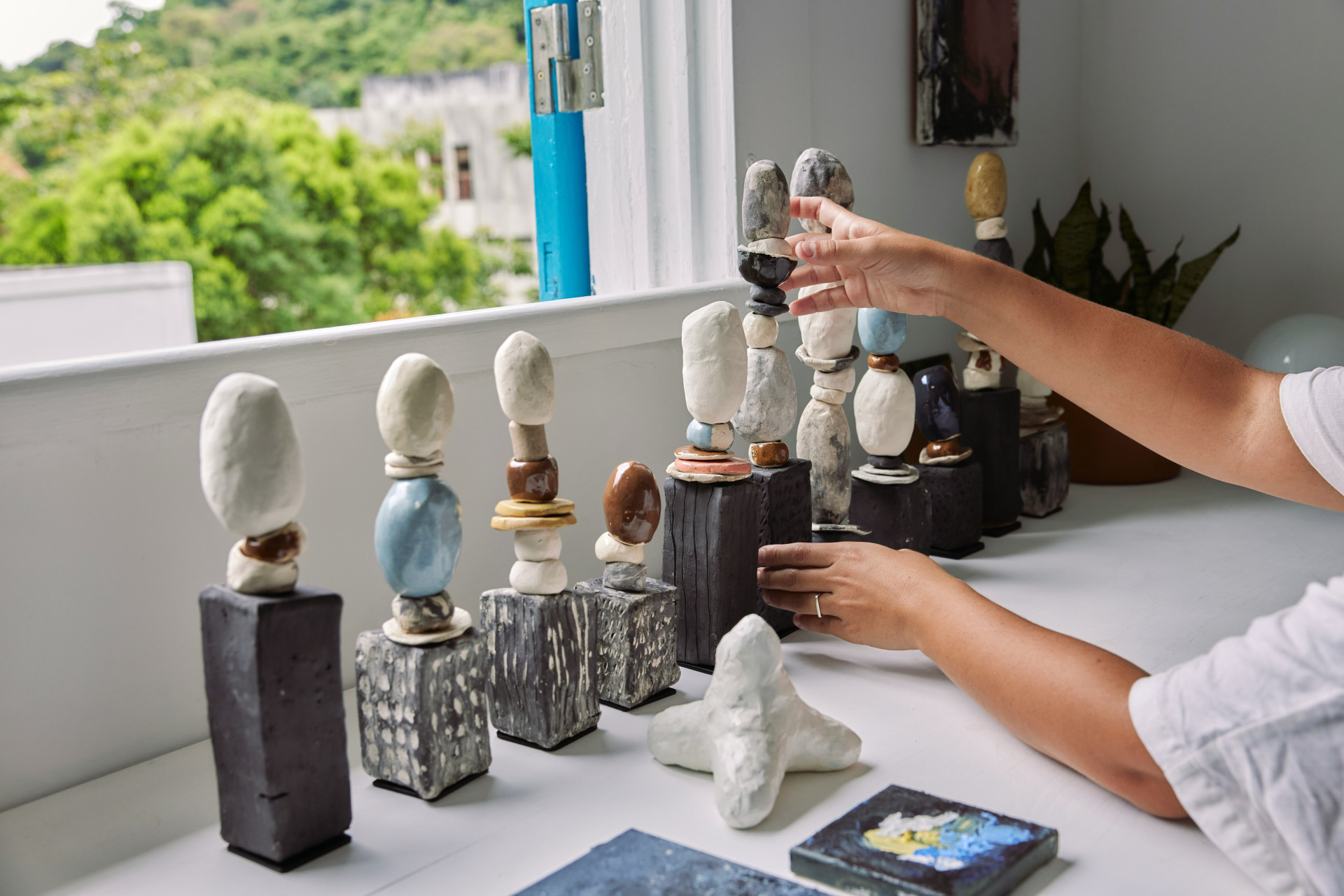
Modern ceramicists have access to electric wheels, programmable kilns, and a world of glazes—but many still look to the past for guidance. Some artists dig and process their own local clay, echoing the self-sufficiency of early potters. Others experiment with natural ash glazes or wood firing, embracing the unpredictability that ancient methods bring.
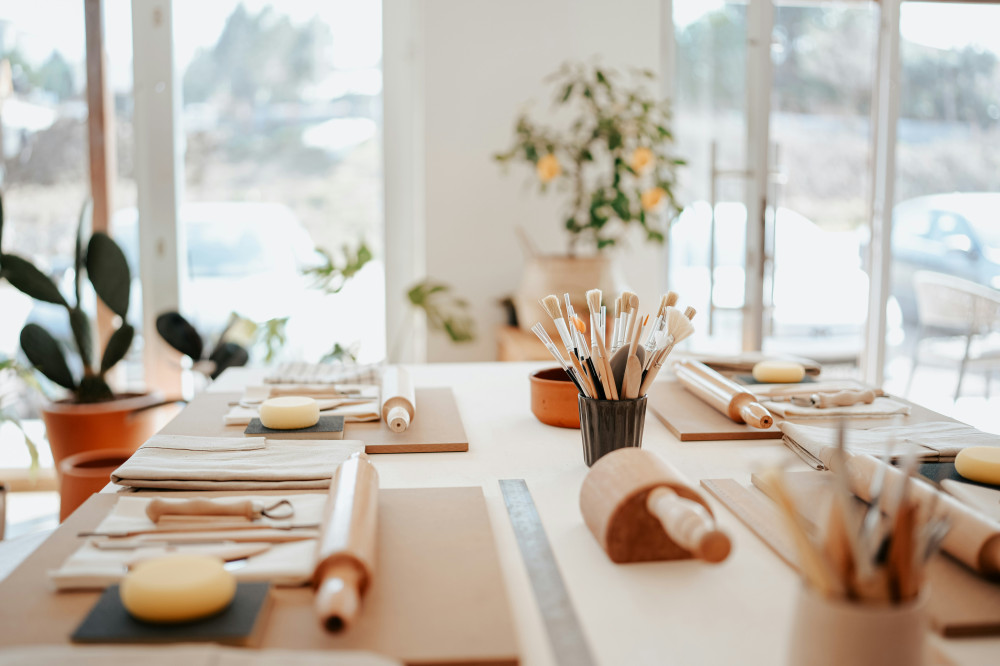
Across the United States, workshops and studios offer opportunities to explore traditional techniques such as:
- Wheel throwing – shaping clay on a spinning wheel, a timeless method that connects hand and motion.
- Raku firing – a Japanese process that produces dramatic, crackled surfaces and metallic tones.
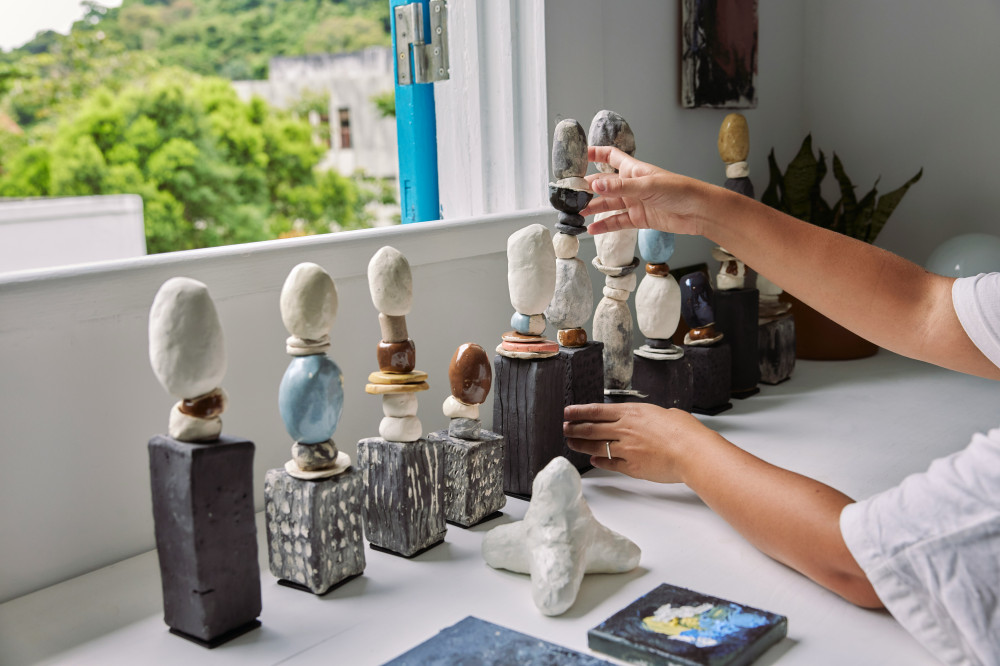
- Hand-building – forming clay without machinery, using coils, slabs, or pinching, just as early artisans did.
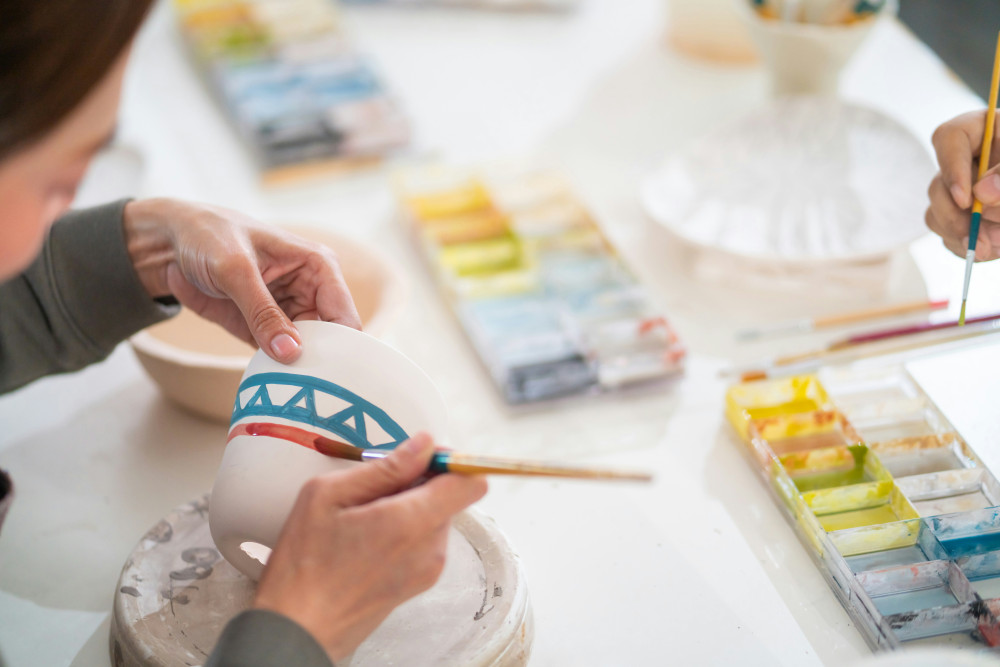
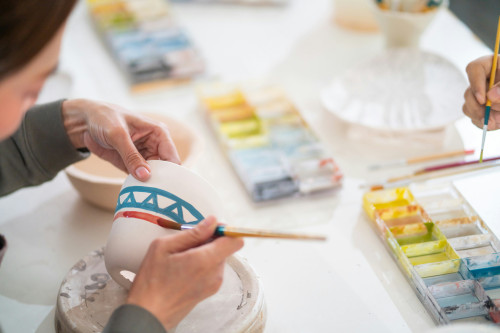
- Slip decoration – painting with liquid clay to create patterns and symbols that tell a story.
Working with these methods is more than a craft—it’s a meditative practice that links the maker to centuries of creativity.
Ceramics as Cultural Heritage
Every ceramic piece is a record of human life. In the United States, museums such as the Smithsonian’s National Museum of the American Indian and the Museum of Fine Arts in Boston preserve pottery that reveals how communities lived, traded, and expressed their beliefs. Local historical societies often display pottery fragments unearthed from early settlements, reminding us that clay was once as essential as wood or stone.
When you shape your own clay, you become part of that lineage. You continue a tradition that has endured for millennia, adding your own voice to an ancient conversation between maker, material, and earth.
Creating with Respect for the Material
One of the most enduring lessons from traditional pottery is respect for the material itself. Clay is alive in its own way—it responds to touch, moisture, and heat. It demands patience. It must be wedged, shaped, dried, and fired, each step influencing the final form. Many potters describe the process as grounding, a rhythm that slows the mind and centers the spirit.
If you’re inspired by ancient traditions, start by getting to know your clay. Try different types—stoneware, earthenware, porcelain—and notice how each behaves. Experiment with hand-building before moving to the wheel. Don’t fear imperfections; they often reveal the most character and beauty.
Læs også:

A Timeless Joy in Making
Ceramics are more than objects—they are expressions of time, place, and human touch. When you mold clay, you repeat gestures that have been passed down for thousands of years. You join a chain of makers who have shaped both everyday life and art with their hands.
So the next time you hold a handmade mug or a simple bowl, take a moment to feel its history. Within its surface lies the story of earth, fire, and human imagination—and perhaps an invitation to create something that carries your own story forward.
Læs også: