Creative Communities: When Collaboration Becomes the Driving Force Behind New Movements

Creative Communities: When Collaboration Becomes the Driving Force Behind New Movements
When people come together around an idea, a project, or a shared passion, something remarkable often happens—something that reaches far beyond the individual. In recent years, creative communities have become central to everything from art and design to sustainability and technology. They serve as laboratories for new ideas, where collaboration and knowledge-sharing fuel innovation and social change. But what makes these communities so powerful—and why are we seeing more of them across the United States?
From Garage Projects to Movements
Many creative communities start small. It might be a few friends meeting to build furniture from reclaimed wood, experiment with robotics, or host a neighborhood art night. But as ideas are shared and new participants join, these gatherings can grow into something much larger—a movement.
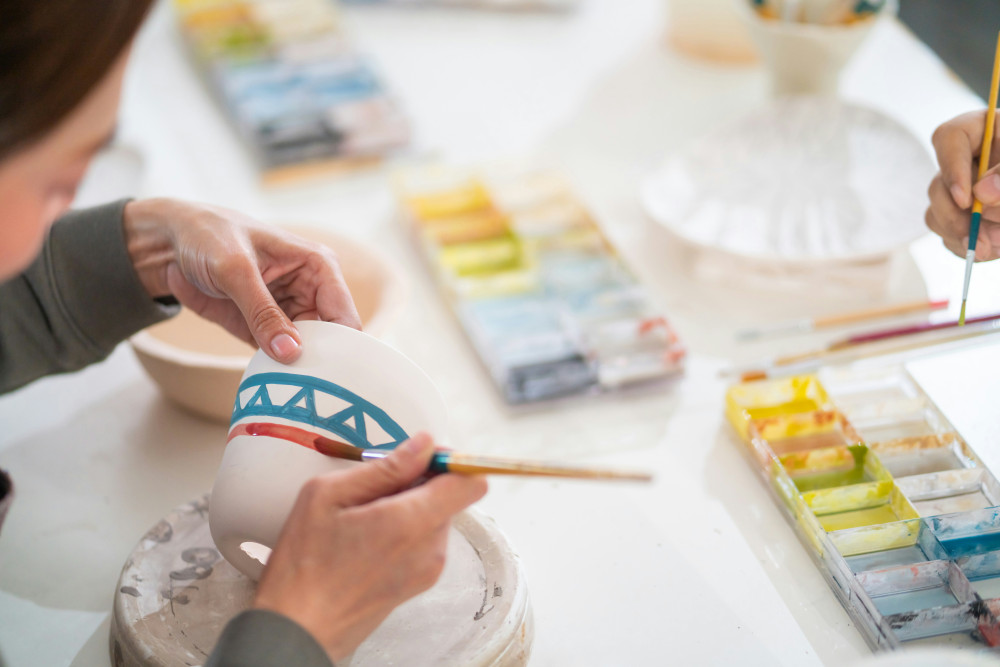
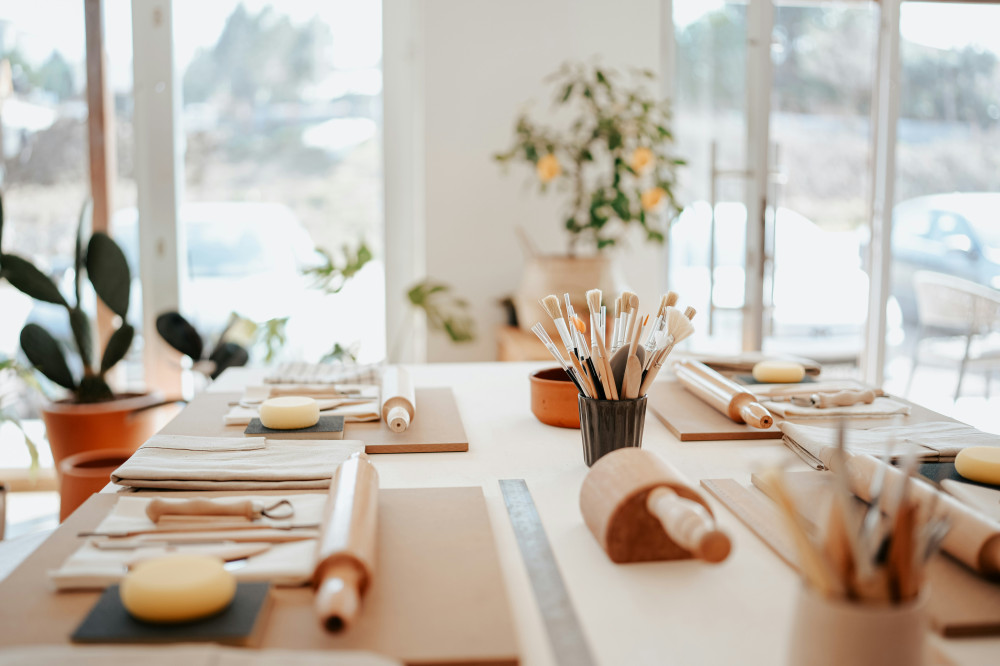
Across the U.S., makerspaces and community workshops have become hubs for creativity and collaboration. In cities like Portland, Austin, and Detroit, these spaces give people access to tools, technology, and—most importantly—each other’s expertise. They’re places where learning happens through doing, and where mistakes are seen not as failures but as essential steps in the creative process.
Collaboration as a Creative Engine
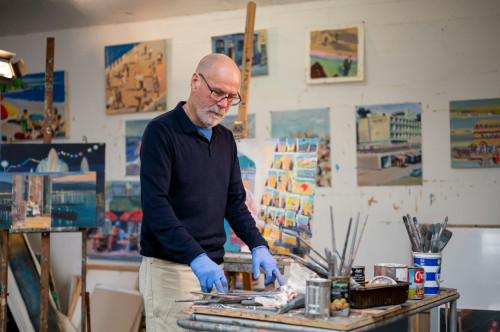
Creativity is often romanticized as the work of a lone genius—the artist in the studio or the inventor in the garage. But today, it’s increasingly collaboration that drives the most groundbreaking results. When people with different backgrounds and skills come together, new perspectives and solutions emerge that no one could have discovered alone.
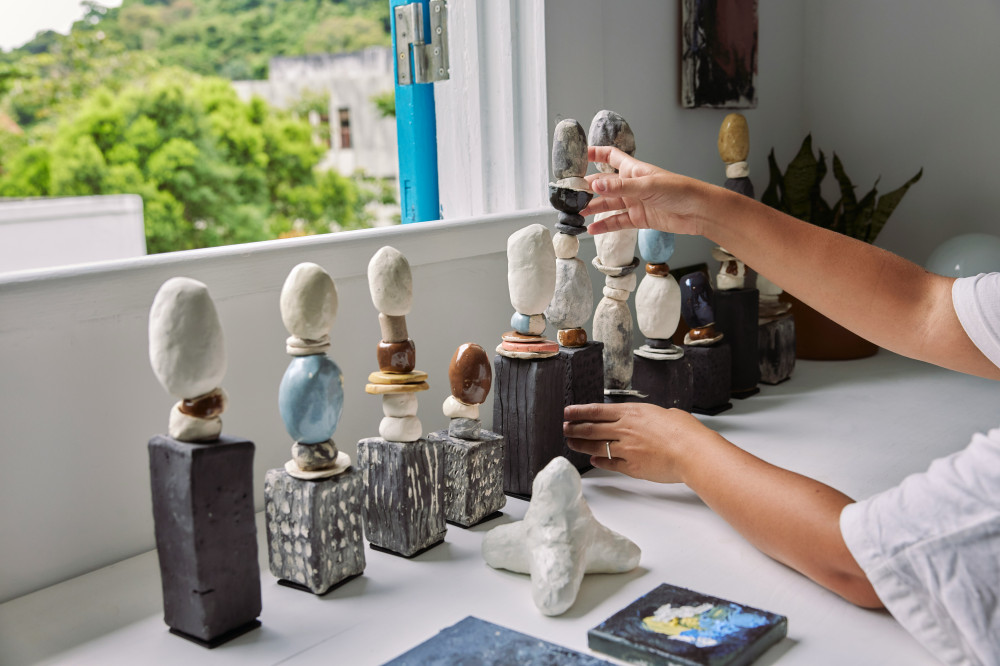
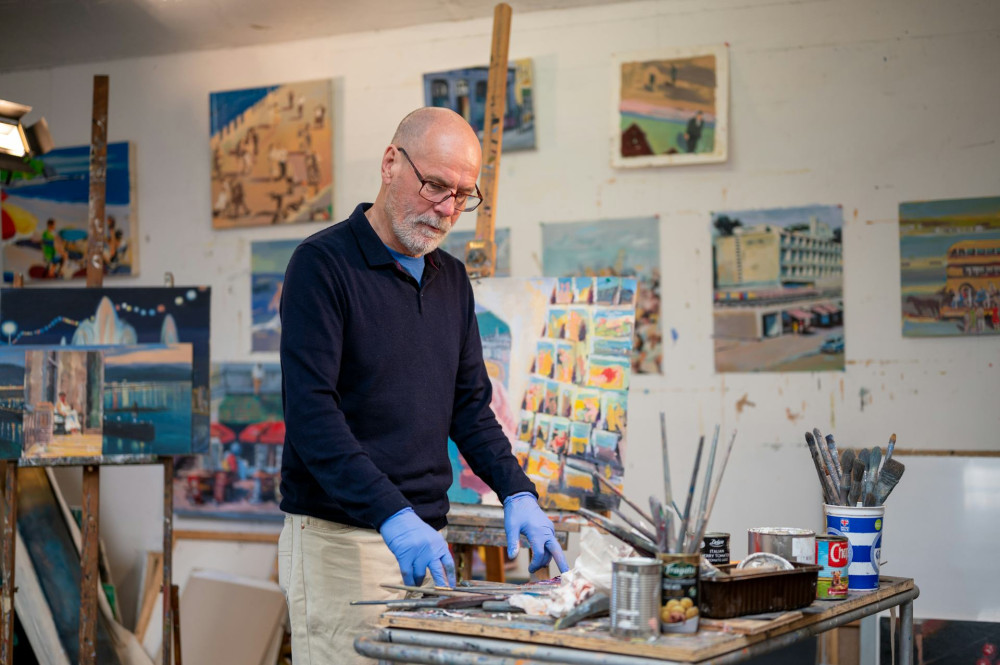
In a creative community, ideas are tested, challenged, and refined collectively. A graphic designer might learn from a software engineer, a sculptor might collaborate with a musician, and a filmmaker might find inspiration in a local activist’s story. It’s in these intersections—between disciplines, experiences, and viewpoints—that innovation truly flourishes.
The Social Power of Creating Together
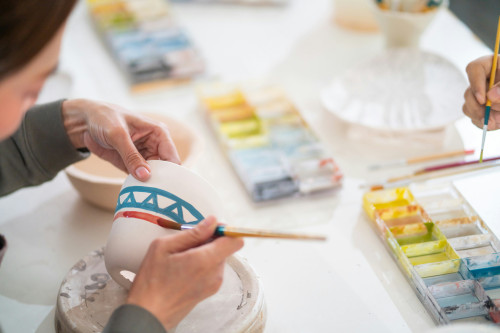
Beyond the creative energy, these communities also offer something deeply human: connection. Many people find that creating together fosters a sense of belonging and purpose. In an era when so much work happens in isolation behind screens, the act of making something side by side becomes a powerful antidote to loneliness.
Creative communities are often inclusive spaces where diversity is celebrated. They’re not about competition or perfection, but about contribution and shared growth. This makes them vital spaces for learning, well-being, and social cohesion.
Digital Communities and Global Inspiration
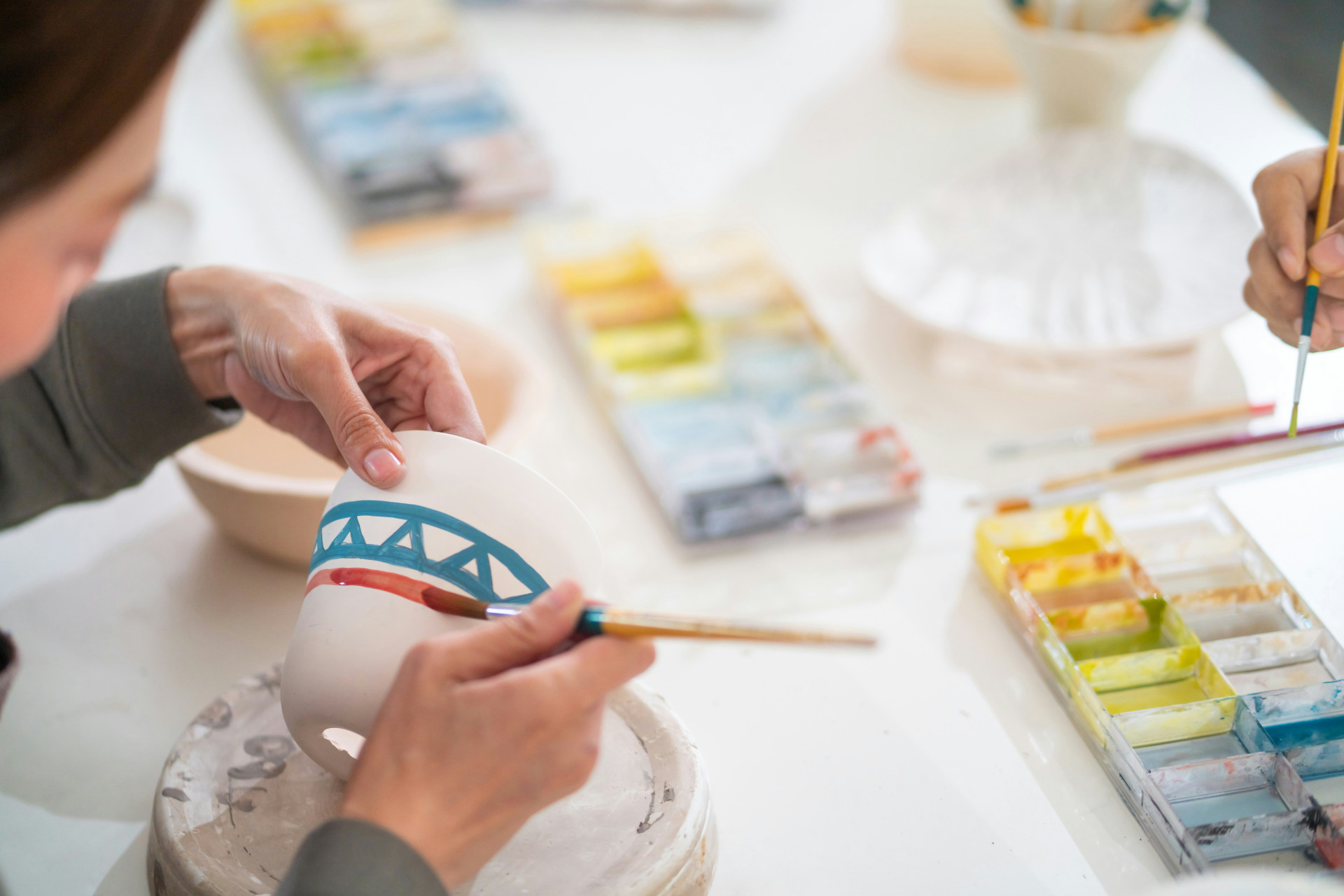
The internet has made it easier than ever to find like-minded creators. Online platforms like Reddit, Discord, and Instagram have become virtual studios where ideas, tutorials, and projects are exchanged across borders. A ceramic artist in California can collaborate with a coder in Berlin, or a group of students in Chicago can co-design sustainable fashion with artisans in Ghana.
These digital communities allow creativity to scale—from local initiatives to global movements. They also remind us that even when we’re working alone at our desks, we can still be part of something much larger.
Læs også:

When Community Becomes a Catalyst for Change
Creative communities aren’t just about making beautiful things—they can also be powerful agents of change. Many sustainability projects, social initiatives, and cultural movements have emerged from groups of people who share a vision and work together to make it real.
From urban gardens and upcycling collectives to open-source software and community art projects, we see how creativity and collaboration can generate tangible solutions to today’s challenges. When people unite around shared values, even small ideas can have a big impact.
How to Join a Creative Community
If you’re inspired to create with others, there are many ways to get started:
- Find local makerspaces or art collectives – Many cities have open studios or workshops where you can meet others who share your interests.
- Attend workshops or community events – They’re great opportunities to learn new skills and connect with potential collaborators.
- Start your own group – All it takes is an idea and a place to gather, whether that’s a local library, a park, or your own living room.
- Engage online – Share your projects, seek feedback, and collaborate across borders through digital platforms.
The key is to share—your ideas, your experiences, and even your mistakes. That’s how communities grow.
Together, We Create More
Creative communities remind us that innovation isn’t just about technology or big investments—it’s about people who dare to think and build together. When we share knowledge, support one another, and build on each other’s ideas, collaboration becomes a driving force—not just for new projects, but for entire movements.
In a culture that often celebrates individual achievement, it’s worth remembering that the most transformative changes rarely happen alone.
Læs også: