Dive into History: Discover Maritime Heritage Beneath the Surface

Dive into History: Discover Maritime Heritage Beneath the Surface
Beneath the waves along America’s vast coastlines lies a hidden archive of our nation’s past. Shipwrecks, anchors, cargo remnants, and tools tell stories of exploration, trade, war, and everyday life at sea. For many, diving is a sport or a way to connect with nature—but under the surface, it’s also a journey through time. Here’s how you can explore the maritime heritage resting on the ocean floor—and why it’s worth protecting.
America’s Maritime Legacy
From the earliest colonial settlements to the age of steamships and modern naval fleets, the sea has shaped the United States. Our coastlines have witnessed centuries of discovery, commerce, and conflict. Today, thousands of shipwrecks rest in American waters—some well-documented, others still waiting to be found.
According to the National Oceanic and Atmospheric Administration (NOAA), there are more than 20,000 known wrecks in U.S. waters. Many are protected as cultural resources, offering a window into the nation’s maritime history. Each wreck tells a unique story—of storms, battles, navigation errors, or the relentless passage of time.
Diving as a Journey Through Time
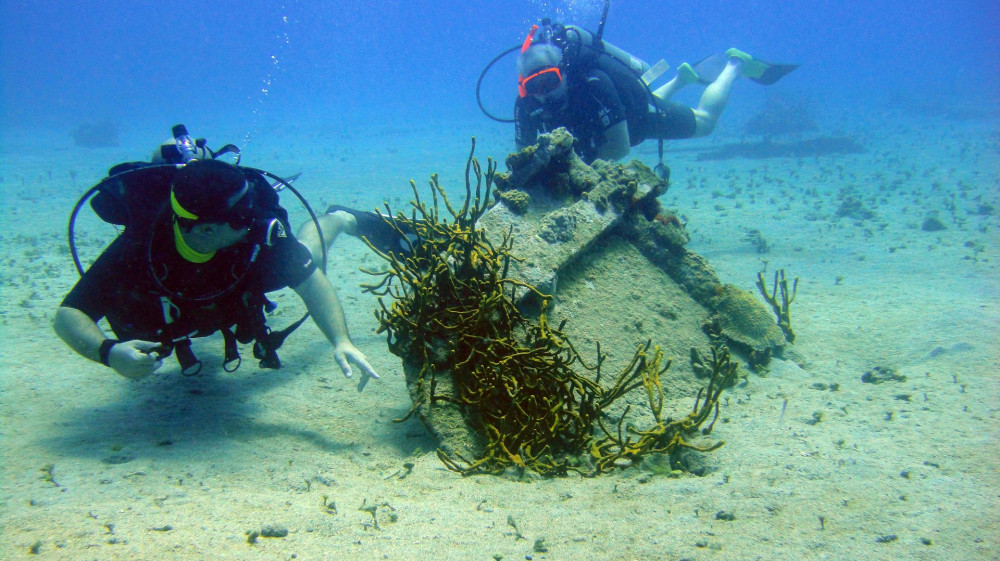
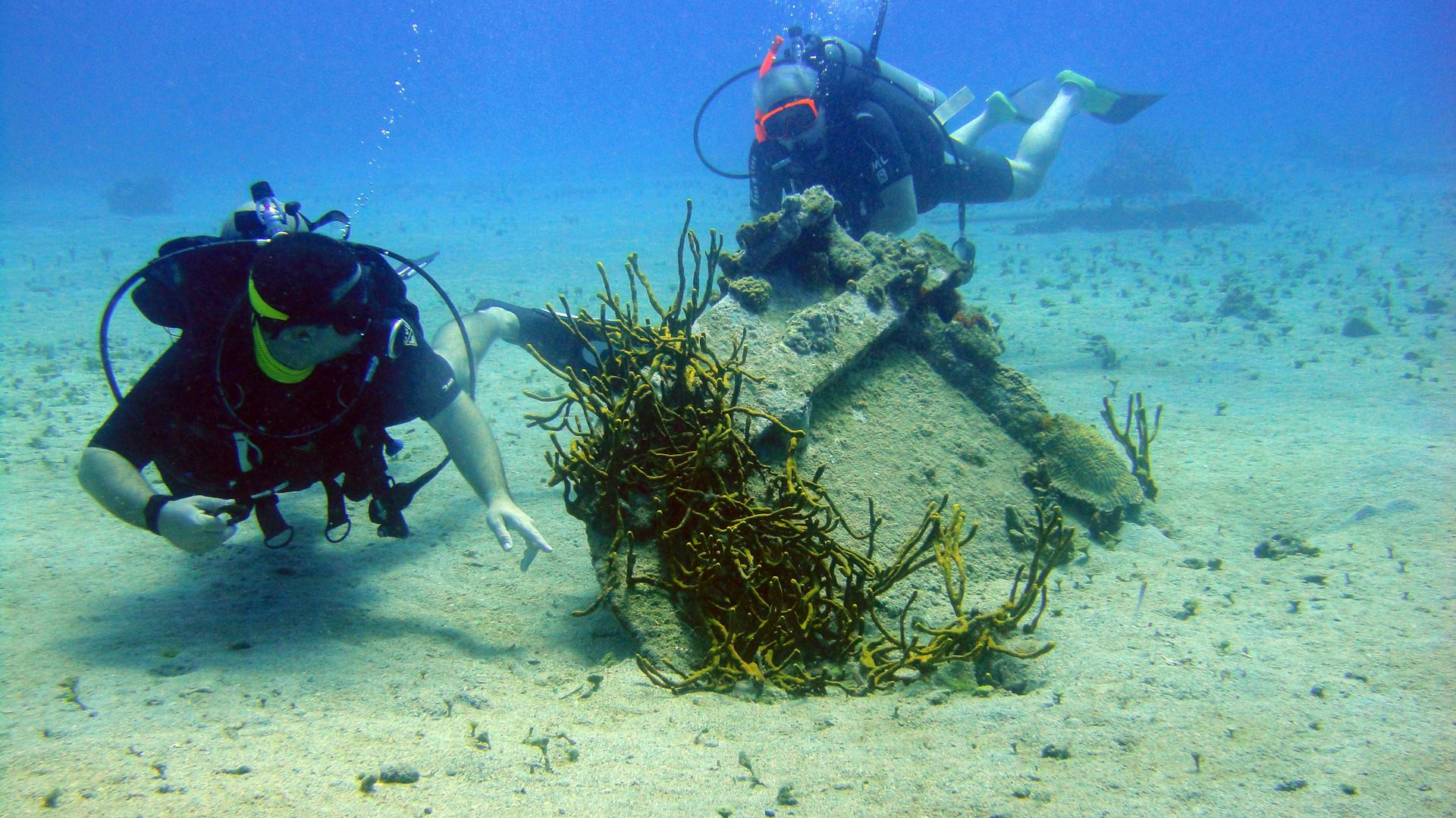
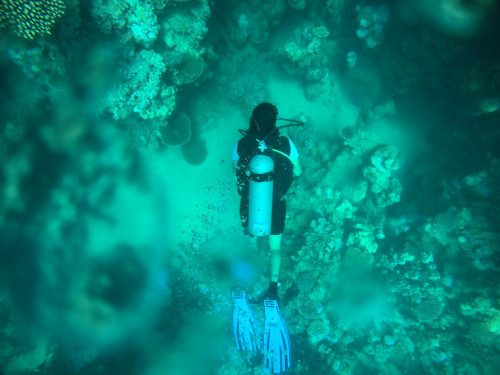
Descending to a shipwreck is like stepping into another era. Wooden hulls may be cloaked in coral and seaweed, but their shapes still reveal the craftsmanship of their builders. Cannons, bottles, tools, and personal belongings often remain where they fell, frozen in time.
For many divers, it’s this connection to history that makes wreck diving so captivating. It demands respect and care—for both safety and preservation. Removing artifacts is illegal at protected sites, and divers are encouraged to observe without disturbing. Many regions have clear guidelines to ensure that exploration doesn’t harm these underwater museums.
If you want to experience history firsthand, reach out to local dive shops, maritime museums, or national marine sanctuaries that offer guided dives to historic sites. Some locations even allow snorkeling over shallow wrecks, making maritime heritage accessible to non-divers as well.
Famous Wrecks and Underwater Museums
Across the United States, several shipwrecks have become iconic dive destinations:
- USS Monitor (North Carolina) – The Civil War ironclad that changed naval warfare, now part of the Monitor National Marine Sanctuary.
- SS Republic (Georgia coast) – A 19th-century steamship that sank in a hurricane, carrying gold and goods bound for New Orleans.
- USS Arizona (Hawaii) – A solemn memorial at Pearl Harbor, where the remains of the battleship rest as a tribute to those lost in 1941.
- Thunder Bay National Marine Sanctuary (Michigan) – Home to nearly 100 preserved wrecks in Lake Huron, from wooden schooners to steel freighters.
- Florida Keys Shipwreck Trail – A series of accessible dive sites that combine natural beauty with centuries of maritime history.
Museums and research centers across the country are working to make underwater heritage more visible. The Mariners’ Museum in Newport News, Virginia, showcases artifacts from the USS Monitor, while the Great Lakes Shipwreck Museum in Michigan tells the stories of vessels lost to the inland seas. Digital exhibits and 3D mapping projects now allow anyone to explore wrecks virtually from home.
How to Dive Responsibly
Exploring maritime heritage comes with responsibility. Here are some key principles for responsible diving:
- Look, don’t touch – Even gentle contact can damage fragile structures.
- Take only photos – Removing artifacts is illegal and destroys historical context.
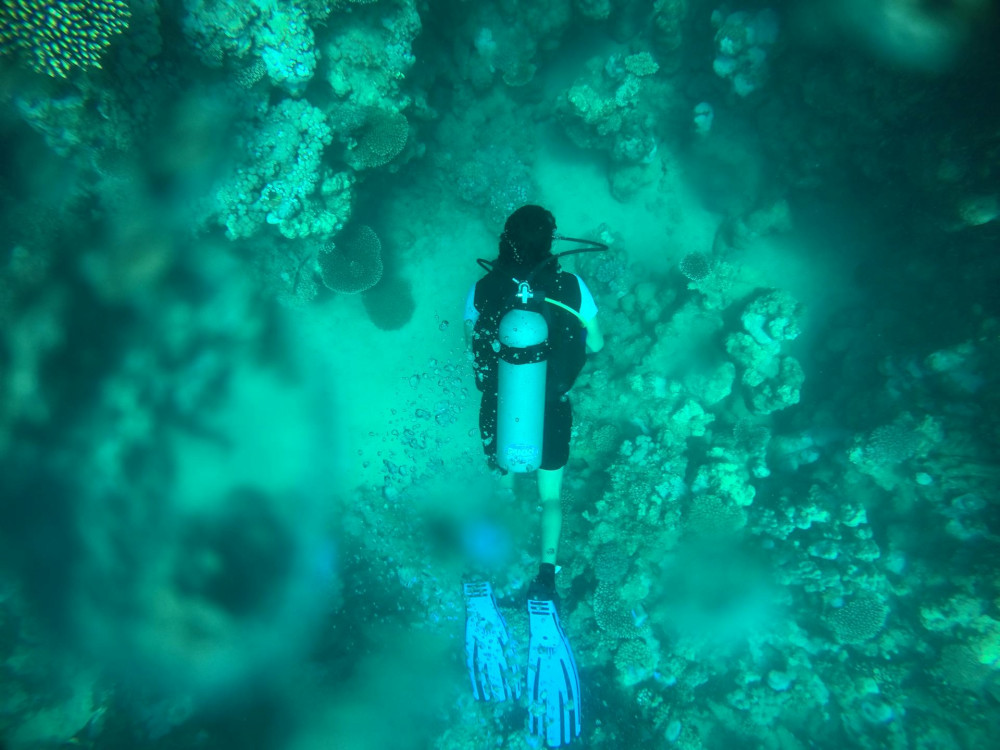
- Avoid stirring up sediment – It reduces visibility and can harm the site.
- Respect protected zones – Some wrecks are off-limits to preserve their integrity.
- Dive with experienced guides – Especially at historic or deep-water sites.
By following these guidelines, you help preserve history for future generations—and enjoy a more authentic, meaningful experience.
When the Sea Tells Stories
Maritime heritage isn’t just for divers. Many coastal museums, heritage trails, and online archives bring these stories to the surface. Projects like NOAA’s “Maritime Heritage Program” document and share the tales behind America’s shipwrecks, from merchant vessels to warships.
Each wreck is a time capsule of human endeavor—of courage, innovation, and sometimes tragedy. Together, they form a living record of how the sea has shaped our nation’s identity.
Læs også:
A Living Heritage
Diving into history is more than exploring old ships—it’s about understanding how the ocean has influenced who we are. Every harbor, lighthouse, and coastal town carries echoes of those who built their lives around the sea.
Next time you stand on the shore and gaze across the waves, remember that beneath the surface lie the stories of sailors, explorers, and dreamers. They are part of our shared heritage—waiting to be rediscovered.
Læs også: