Snorkeling, Freediving, or Scuba? How to Choose the Right Gear for Your Diving Style

Snorkeling, Freediving, or Scuba? How to Choose the Right Gear for Your Diving Style
Exploring the world beneath the waves is a mix of calm, adventure, and wonder. But there’s a big difference between snorkeling, freediving, and scuba diving. Each style requires its own gear, techniques, and mindset. Here’s a guide to help you choose the right equipment—and the right approach—for your underwater adventures.
Snorkeling – The Easy Way to Discover the Ocean
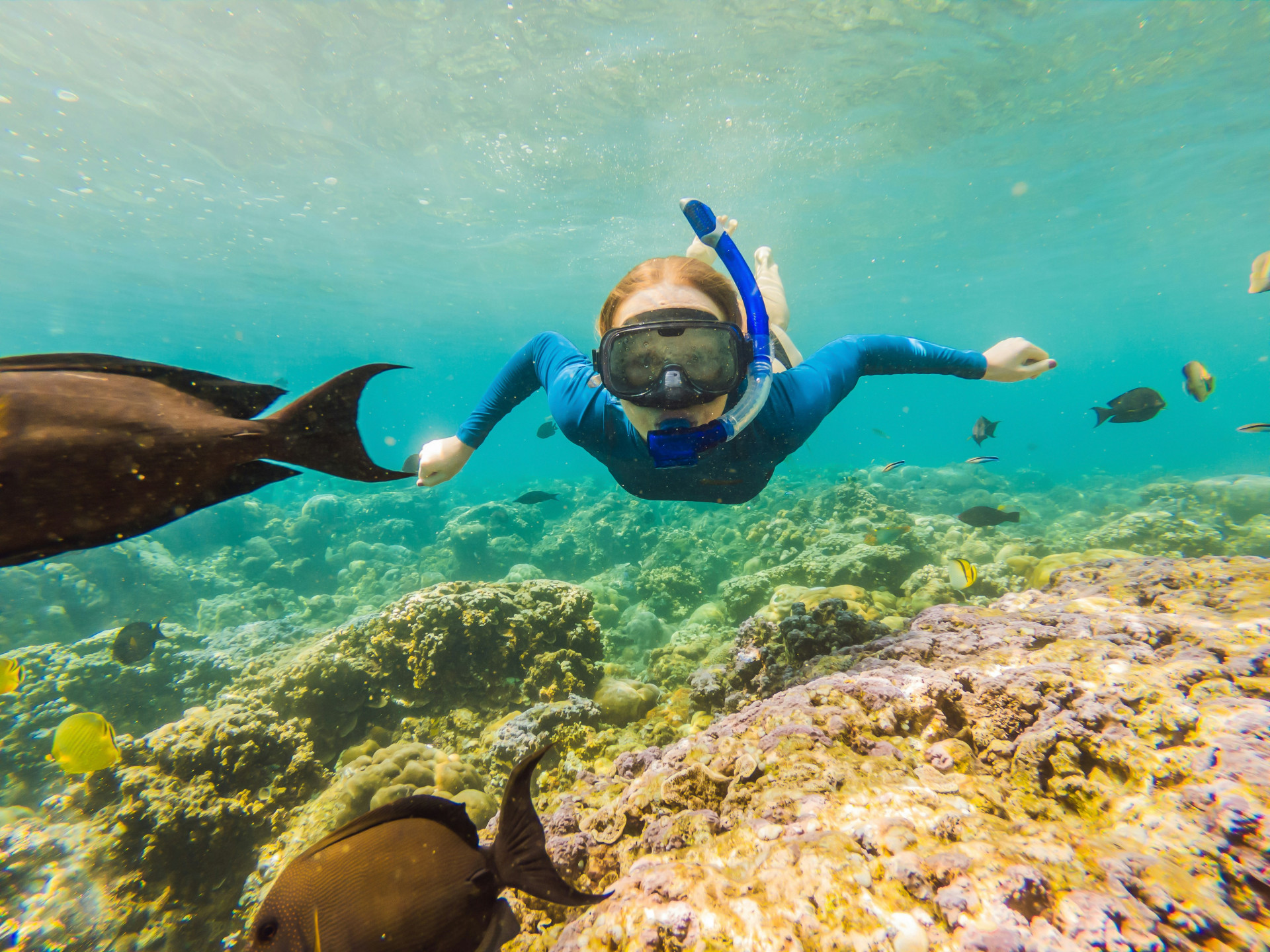
Snorkeling is the most accessible way to experience life below the surface. You stay near the top of the water, breathe through a snorkel, and enjoy the view of fish, coral, and sea grass without worrying about pressure or heavy gear.
Gear for Snorkeling
The essentials are mask, snorkel, and fins.
- Mask: It should fit snugly without leaking or pinching. Test it by pressing it to your face and inhaling slightly—if it stays in place without the strap, it’s a good fit.
- Snorkel: Look for a comfortable mouthpiece and a purge valve that makes it easy to clear water.
- Fins: Choose fins that fit your feet well and allow a natural kick. Fins that are too stiff can cause cramps.
A light wetsuit or UV-protective rash guard is a good idea, especially in cooler water or for longer sessions.
Snorkeling requires little preparation and can be done right from the beach, making it perfect for families, beginners, and vacationers who want to explore the ocean without taking a course.
Freediving – Calm, Focus, and Freedom Below the Surface
Freediving is all about diving on a single breath. It takes technique, control, and a calm mind. Many freedivers describe it as a meditative experience that connects them deeply with the water.
Gear for Freediving
Freediving gear is more specialized than snorkeling gear:
- Long fins provide efficient propulsion with minimal effort.
- Low-volume mask makes it easier to equalize pressure as you dive deeper.
- Smooth-skin wetsuit made of neoprene reduces drag and keeps you warm.
- Weight belt helps you achieve neutral buoyancy so you can glide effortlessly.
Freediving requires training in breathing and safety. Always dive with a buddy and know your limits. It’s a sport where technique and mental calm matter more than physical strength.
Scuba – Explore the Depths with Air on Your Back
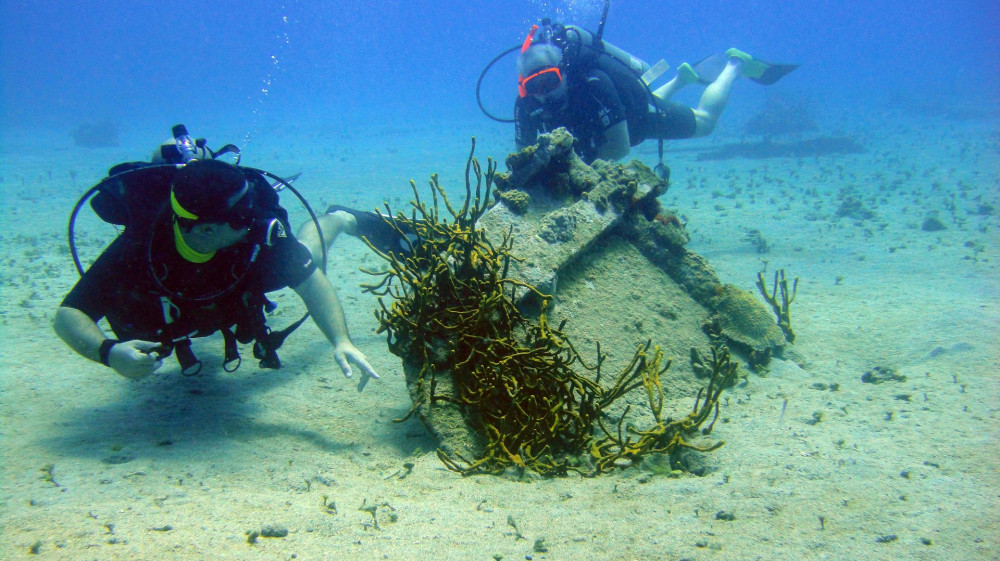
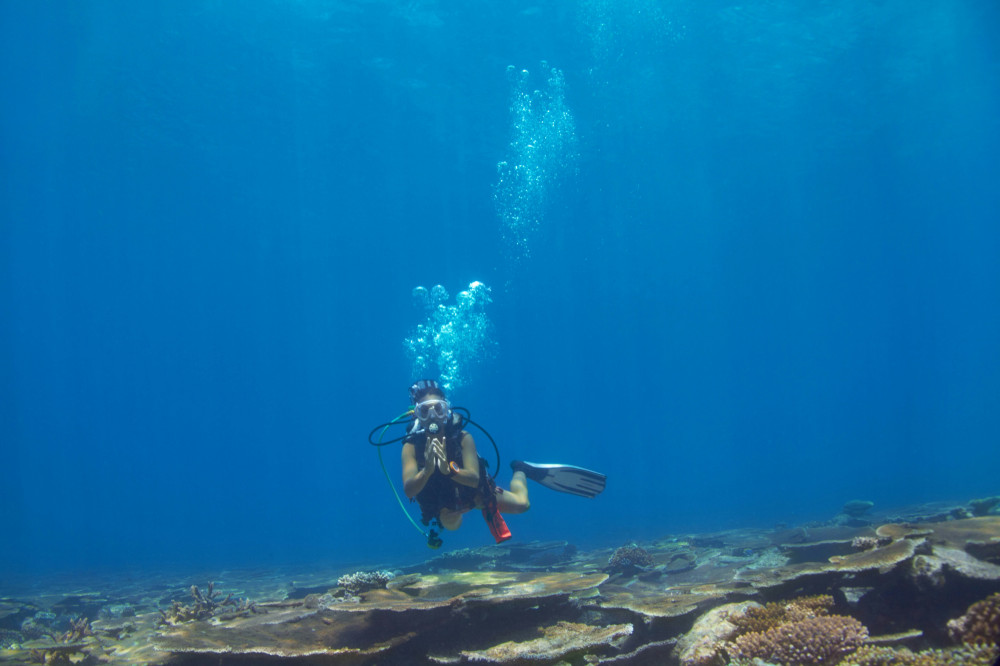
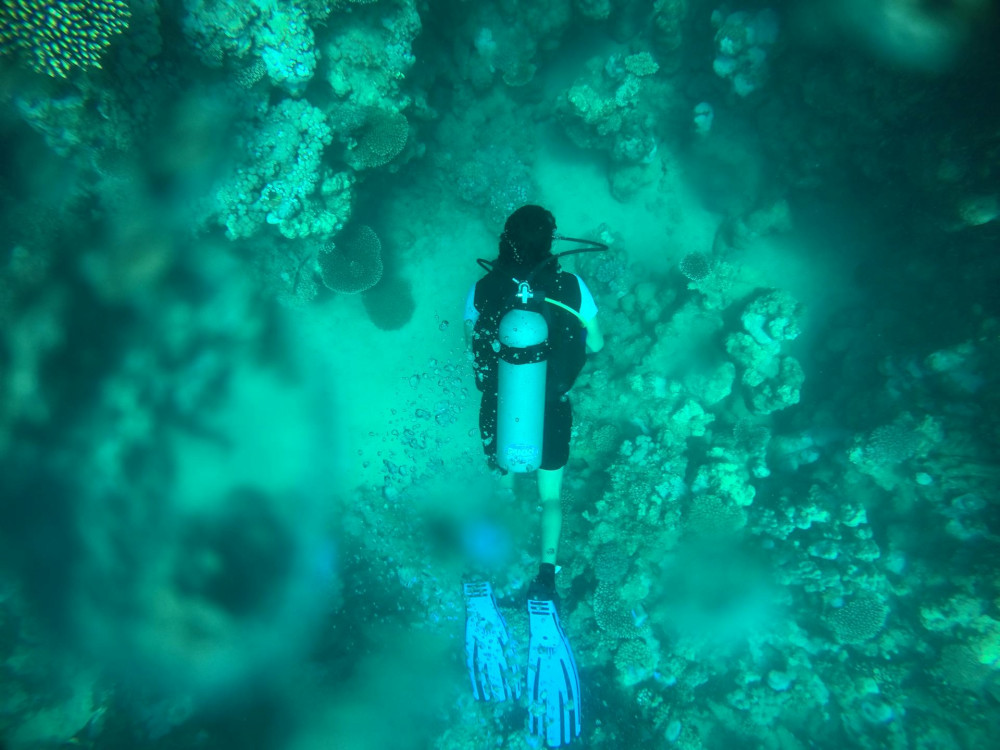
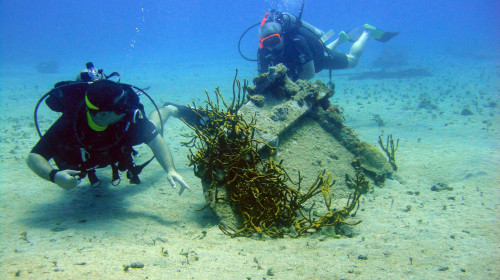
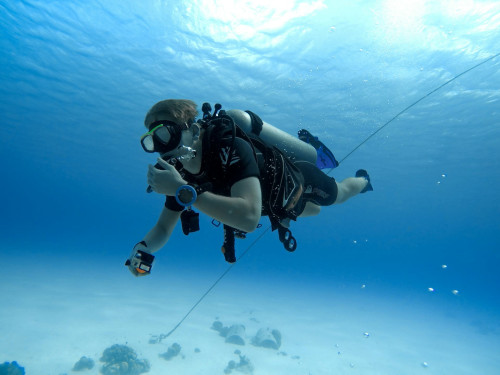
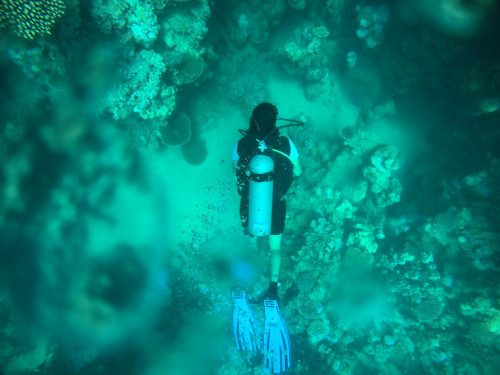
Scuba diving lets you stay underwater longer and explore deeper environments. It does, however, require certification and training, since you’ll need to manage equipment, buoyancy, and safety procedures.
Gear for Scuba Diving
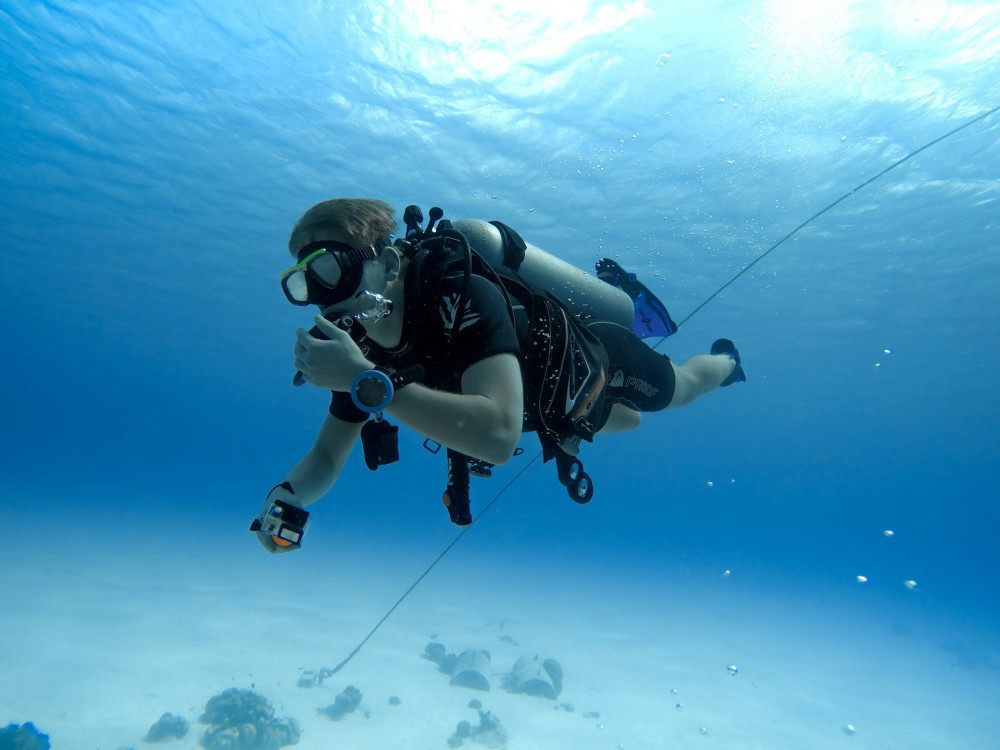
Scuba gear is more complex but also more versatile:
- Tank and regulator supply you with compressed air.
- BCD (buoyancy control device) helps you manage your buoyancy and movement.
- Dive computer tracks depth, time, and ascent rate to prevent decompression sickness.
- Wetsuit or drysuit depends on water temperature.
- Mask and fins are similar to snorkeling gear but often more durable.
Scuba diving opens up a whole new world—from shipwrecks and coral reefs to underwater caves. But it also requires planning, equipment maintenance, and respect for safety rules.
Læs også:
Which Diving Style Is Right for You?
Your choice depends on what kind of experience you’re looking for:
- Snorkeling is for those who want something simple, spontaneous, and family-friendly.
- Freediving suits those seeking peace, focus, and a physical challenge.
- Scuba is for the adventurer who wants to explore deeper and stay underwater longer.
You can easily combine them—many people start with snorkeling, get curious about freediving, and eventually earn a scuba certification.
Take Care of Yourself and the Ocean
No matter which style you choose, safety and respect for the marine environment are essential.
- Never dive alone.
- Avoid touching coral or marine life—it can harm both you and them.
- Use reef-safe sunscreen to protect the water from chemicals.
- Rinse your gear in fresh water after use to make it last longer.
Diving isn’t just about seeing—it’s about experiencing, understanding, and protecting the ocean. With the right gear and the right attitude, you can create unforgettable memories beneath the surface.
Læs også: