Fishing Apparel from the Inside Out – Materials, Comfort, and Functionality

Fishing Apparel from the Inside Out – Materials, Comfort, and Functionality
When you’re standing by a lake, river, or shoreline for hours, it’s not just your rod and reel that determine whether the day is a success. The right fishing apparel can make the difference between a comfortable outing and a cold, damp, or sticky experience. Modern fishing gear is designed with comfort, functionality, and durability in mind—and it all starts from the inside out. Here’s how to dress smartly for your next fishing trip, layer by layer.
The Layering Principle – The Key to Comfort
The classic layering system is just as important for anglers as it is for hikers. By dressing in layers, you can regulate your body temperature and stay dry, no matter what the weather brings.
- Base layer: Wicks moisture away from your skin.
- Mid layer: Provides insulation and warmth.
- Outer layer: Shields you from wind and water.
By combining these layers properly, you can adapt to changing conditions throughout the day and avoid both overheating and getting chilled.
Base Layer – Moisture Management and Comfort
The base layer sits closest to your skin and plays a crucial role in keeping you comfortable. Choose materials that move sweat away from your body so you stay dry and warm.
- Synthetic fabrics like polyester and polypropylene are lightweight, quick-drying, and excellent at wicking moisture.
- Merino wool is a natural alternative that insulates, breathes, and resists odor. It’s soft against the skin and stays comfortable even when damp.
Avoid cotton—it absorbs moisture and stays wet, which can quickly make you cold. A good set of merino or synthetic base layers is an investment that pays off on long fishing days.
Mid Layer – Warmth and Flexibility
The mid layer’s job is to trap heat while allowing moisture to escape. Fleece and wool are the most popular choices. Fleece is lightweight, dries quickly, and comes in various thicknesses, while wool keeps you warm even when it’s damp.
On colder days, add an extra insulating layer such as a lightweight down jacket or a synthetic insulated jacket. These can be packed away easily and pulled out when temperatures drop. The key is freedom of movement—fishing often involves hours of activity in changing positions, so flexibility matters.
Læs også:

Outer Layer – Protection from Wind and Water
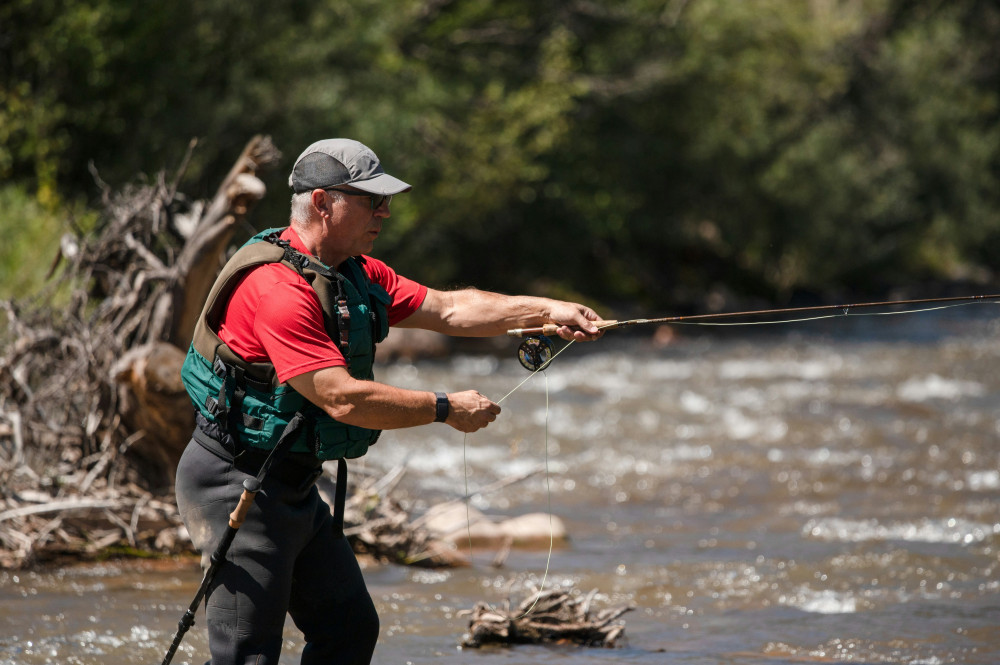
The outer layer is your shield against the elements. Waterproofing and breathability are the two most important features. A good fishing jacket and a pair of waterproof pants or waders should keep out rain and spray while allowing internal moisture to escape.
- Gore-Tex and similar membranes combine waterproof protection with breathability.
- Reinforced seams and water-resistant zippers extend the life of your gear.
- Adjustable cuffs and hoods help seal out wind and rain.
If you fish along the coast, in the Pacific Northwest, or anywhere prone to sudden showers, investing in high-quality rain gear will make a world of difference in your comfort.
Waders and Footwear – Dry Feet All Day
For many anglers, waders are essential. They come in two main types: neoprene waders, which provide excellent insulation in cold water, and breathable waders, which are lighter and more comfortable in warmer conditions. Pair them with wading boots that offer good ankle support and slip-resistant soles—especially important when walking on slick rocks or in fast-moving water.
Complete the setup with warm socks made of wool or synthetic fibers. Avoid cotton socks, as they trap moisture and can lead to cold feet.
Head, Hands, and Accessories
A lot of body heat escapes through your head and hands, so don’t overlook them. A light beanie or cap with a brim protects you from both cold and sun. Fishing gloves with open fingertips let you tie knots and handle gear without freezing your hands.
Other useful accessories include a neck gaiter, polarized sunglasses (to reduce glare from the water), and a light rain poncho for unexpected downpours.
Care and Maintenance – Make Your Gear Last
Fishing apparel takes a beating from moisture, salt, mud, and sun, so a little care goes a long way. Rinse your gear after use, especially if you’ve been in saltwater. Use detergents designed for technical fabrics, and reapply water-repellent treatments periodically to maintain performance.
Store your clothing in a dry, ventilated space, and avoid packing it away while still damp.
Dress for the Experience – Not Just the Weather
The right fishing apparel isn’t just about staying dry and warm—it’s about fully enjoying the experience. When you’re not distracted by cold, rain, or clammy socks, you can focus on what really matters: the calm, the scenery, and the thrill of the next catch.
With the right gear from the inside out, you’ll be ready for any fishing day—whether the sun is shining or the rain is pouring.
Læs også: