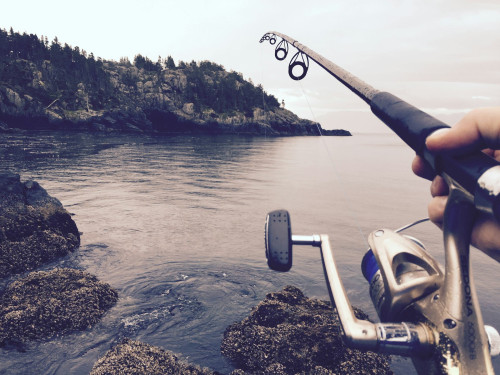
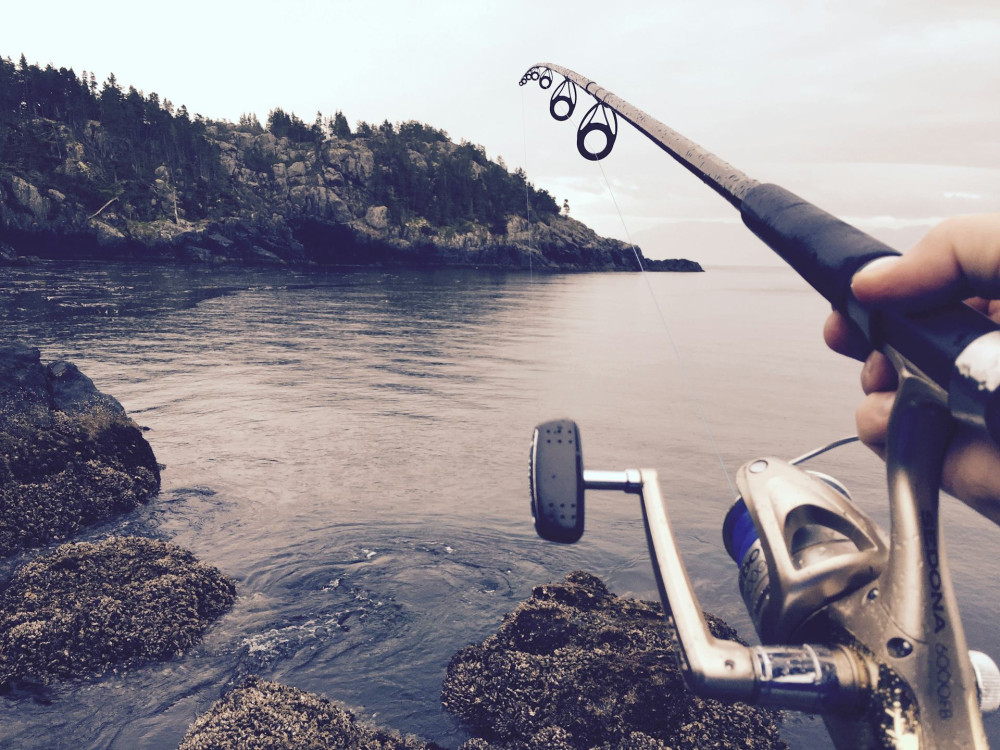
Sharp Hooks, Sharp Catches – How to Maintain Your Gear Properly

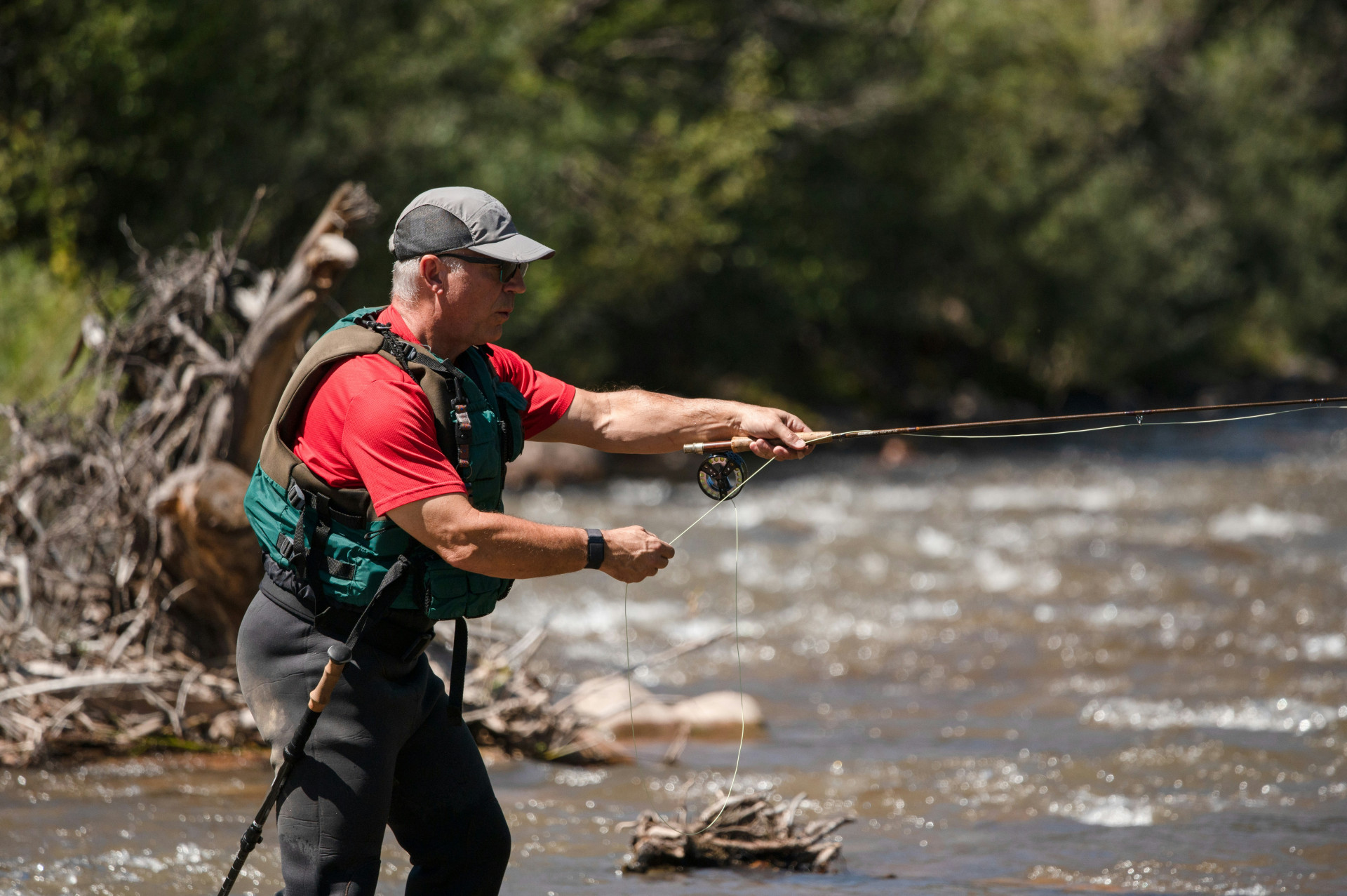
Keep your fishing gear in top condition for more successful days on the water
Fishing
Fishing
4 min
Proper maintenance is the secret to reliable gear and sharper catches. Learn how to clean, sharpen, and store your fishing equipment so it performs at its best every time you cast a line.
Chase Freeman
Chase
Freeman

Sharp Hooks, Sharp Catches – How to Maintain Your Gear Properly

Keep your fishing gear in top condition for more successful days on the water
Fishing
Fishing
4 min
Proper maintenance is the secret to reliable gear and sharper catches. Learn how to clean, sharpen, and store your fishing equipment so it performs at its best every time you cast a line.
Chase Freeman
Chase
Freeman

A sharp hook and well-kept gear can make the difference between a great day on the water and a frustrating one. Many anglers spend hours choosing the right tackle but forget that even the best equipment needs care. With a little attention and regular maintenance, you can extend the life of your gear—and increase your chances of landing that dream catch. Here’s a practical guide to keeping your fishing equipment in top shape.

Sharp Hooks – The Key to Success

A dull hook can slip right off a fish, while a sharp one ensures a solid set. That’s why you should check your hooks regularly—especially after fishing around rocks, docks, or in saltwater, where they wear down quickly.

  • Test the sharpness: Lightly drag the hook point across your fingernail. If it slides, it’s dull. If it catches, it’s sharp.
  • Use a hook file: A small diamond file or hook sharpener can quickly restore the point. File in one direction toward the tip, and avoid changing the hook’s shape.
  • Replace when rusty: If you see rust or bending, swap the hook out. It’s a small cost that can save a big fish.

A good tip is to keep a pocket-sized hook sharpener in your tackle box so you can touch up hooks right on the water.

Clean and Dry Your Gear After Every Trip

Salt, sand, and moisture are an angler’s worst enemies. They can damage reels, rods, and hooks if left unchecked. After every trip—especially in saltwater—rinse your gear with fresh water.

  • Reels: Rinse the exterior gently and wipe it down with a soft cloth. Avoid opening the reel unless you know how to reassemble it.
  • Rods: Wipe the rod with a damp cloth and remove any grit from the ferrules and guides.
  • Lines: Run the line through a damp cloth as you reel it in to remove salt and dirt.

Always let your gear dry completely before packing it away. Moisture trapped in tackle boxes or bags can quickly lead to rust and mildew.

Lubricate and Maintain Your Reels

A fishing reel is a precision instrument, and a little care goes a long way. Every so often, give it a more thorough checkup.

  • Lubricate moving parts: Apply a drop of reel oil to bearings and handles. Don’t overdo it—too much oil attracts dirt.
  • Check the drag: Make sure the drag runs smoothly. If it jerks or sticks, the washers may need cleaning or replacement.
  • Store properly: Loosen the drag when not in use. This helps preserve the drag washers and extends the reel’s life.

A well-maintained reel runs smoother, lasts longer, and makes every cast more enjoyable.

Lines and Leaders – Small Details, Big Impact

Even the best fishing line wears out over time. Sunlight, salt, and friction weaken the material, and an old line can snap at the worst moment.

  • Inspect for wear: Run the line between your fingers—if you feel rough spots or nicks, replace it.
  • Store in a cool, dark place: UV light breaks down nylon and fluorocarbon. Keep spools in a closed box or drawer.
  • Replace regularly: As a rule of thumb, change your line at least once a year—more often if you fish frequently.

Leaders and knots deserve attention too. A small nick or weak knot can be all it takes for a fish to get away.

Storage – Protecting Your Gear Between Trips

When the season winds down, store your gear in a way that keeps it safe and ready for next time.

  • Rods: Store them disassembled and dry, ideally in a rod sleeve or case. Avoid leaning them where they might bend.
  • Reels: Keep them in soft bags or boxes to prevent dings and scratches.
  • Hooks and lures: Sort them into tackle boxes with moisture absorbers (like silica gel packs) to prevent rust.
  • Clothing and waders: Rinse and dry thoroughly before hanging them up. Damp waders can mildew quickly.

Good storage habits save you time and frustration when you’re gearing up for your next outing.

Maintenance as Part of the Experience

Taking care of your gear isn’t just about performance—it’s part of the joy of fishing. When you take the time to clean, oil, and check your equipment, you’re not only extending its life but also deepening your connection to the sport.

Well-maintained gear gives you peace of mind when you’re out on the water. You know everything works as it should—so you can focus on what really matters: enjoying nature and chasing that next great catch.

Green Waves: How to Fish Sustainably from a Boat
Discover how to enjoy your time on the water while protecting marine life and the environment
Fishing
Fishing
Sustainable Fishing
Boating
Environment
Conservation
Outdoor Lifestyle
3 min
Learn practical ways to make your boating and fishing trips more sustainable. From choosing eco-friendly gear to handling your catch responsibly, this guide helps you preserve the waters you love for generations to come.
Zane Baker
Zane
Baker
Fishing Apparel from the Inside Out – Materials, Comfort, and Functionality
Discover how the right layers and materials can transform your fishing experience
Fishing
Fishing
Fishing Gear
Outdoor Clothing
Comfort
Performance
Angling
7 min
From moisture-wicking base layers to waterproof outer shells, the right fishing apparel keeps you comfortable and focused on the catch. Learn how to choose and combine garments that offer protection, flexibility, and durability for every condition on the water.
Christopher Lee
Christopher
Lee
Learn to Tie a Loop Knot That Gives Your Bait More Movement in the Water
Master a simple knot that makes your lure look more alive and irresistible to fish
Fishing
Fishing
Fishing
Knots
Lures
Angling Tips
Outdoor Skills
7 min
Give your bait the freedom to move naturally in the water with a loop knot. This easy-to-learn technique can make your lure more convincing and help you catch more fish. Follow our step-by-step guide to perfect your knot and improve your fishing results.
Mason Stewart
Mason
Stewart
From Metal to Microchip: Technology’s Influence on Modern Fishing Lures
How innovation and electronics are reshaping the art of the catch
Fishing
Fishing
Fishing
Technology
Innovation
Outdoor Sports
Angling Gear
5 min
From handcrafted metal spoons to smart lures with sensors and LEDs, fishing gear has entered the digital age. Discover how technology is transforming lure design, performance, and the way anglers connect with the water.
Daisy Adams
Daisy
Adams
Sharp Hooks, Sharp Catches – How to Maintain Your Gear Properly
Keep your fishing gear in top condition for more successful days on the water
Fishing
Fishing
Fishing
Gear Maintenance
Angling Tips
Outdoor Sports
Equipment Care
4 min
Proper maintenance is the secret to reliable gear and sharper catches. Learn how to clean, sharpen, and store your fishing equipment so it performs at its best every time you cast a line.
Chase Freeman
Chase
Freeman
Learn to Read Origami Diagrams: Understand the Symbols and Fold Like a Pro
Master the language of origami diagrams and bring paper creations to life
Hobby
Hobby
Origami
Paper Art
Crafting
DIY
Creative Skills
6 min
Discover how to read and understand origami symbols step by step. This guide will help you decode diagrams, perfect your folds, and transform simple sheets of paper into stunning works of art.
Zane Baker
Zane
Baker
Pack Your Backpack Right for the Outdoors – Light Weight, Big Function
Master the art of packing light without sacrificing comfort or essentials
Hobby
Hobby
Backpacking
Outdoor Adventure
Hiking Tips
Travel Gear
Lightweight Packing
3 min
Discover how to pack your backpack efficiently for any outdoor adventure. Learn the secrets to balancing weight, comfort, and function so you can move freely and enjoy every step of your journey.
Christopher Lee
Christopher
Lee
Prevent Gymnastics Injuries with Effective Warm-Up and Stretching
Protect your body and boost performance with the right warm-up and stretching routine
Hobby
Hobby
Gymnastics
Injury Prevention
Warm-Up
Stretching
Training Tips
5 min
Learn how to reduce the risk of gymnastics injuries through effective warm-up and stretching techniques. Discover the best ways to prepare your muscles, improve flexibility, and enhance your overall performance in training and competition.
Mason Stewart
Mason
Stewart