Freedom on Four Wheels: The Road Trip’s Role in Car Culture

Freedom on Four Wheels: The Road Trip’s Role in Car Culture
Few experiences capture the spirit of freedom, adventure, and nostalgia quite like a road trip. From the Pacific Coast Highway to Route 66, the open road has long been more than a means of getting from one place to another—it’s a symbol of independence, spontaneity, and the American dream of going wherever the road leads. But how did the road trip become such a defining part of car culture, and why does it still hold such power in an age of air travel and GPS navigation?
From Necessity to Lifestyle
The earliest road trips began in the early 20th century, when the automobile first became accessible to ordinary Americans. Back then, long-distance driving was an adventure in itself—roads were rough, maps unreliable, and gas stations few and far between. Yet, for those early motorists, the challenge was part of the thrill. The car offered something new: the ability to explore the country on one’s own terms.
By the 1950s and 60s, the road trip had become a cultural phenomenon. The postwar boom brought affordable cars, expanding highways, and a growing middle class eager to see the nation. Families packed up station wagons for cross-country vacations, while young people hit the road in search of music, meaning, and wide-open horizons. The interstate system didn’t just connect cities—it connected dreams.
The Car as a Symbol of Freedom
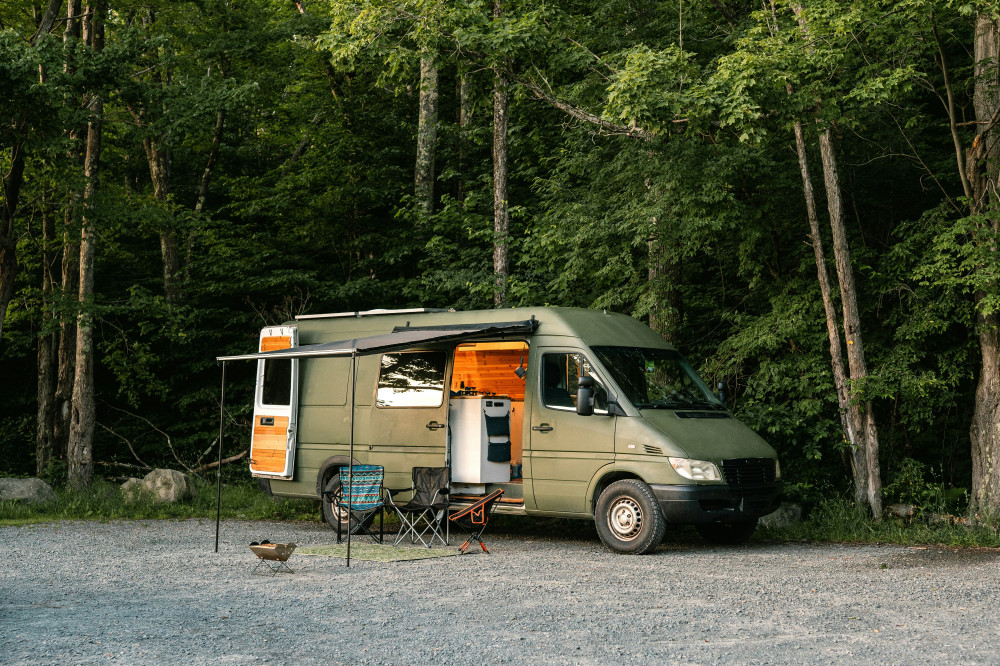
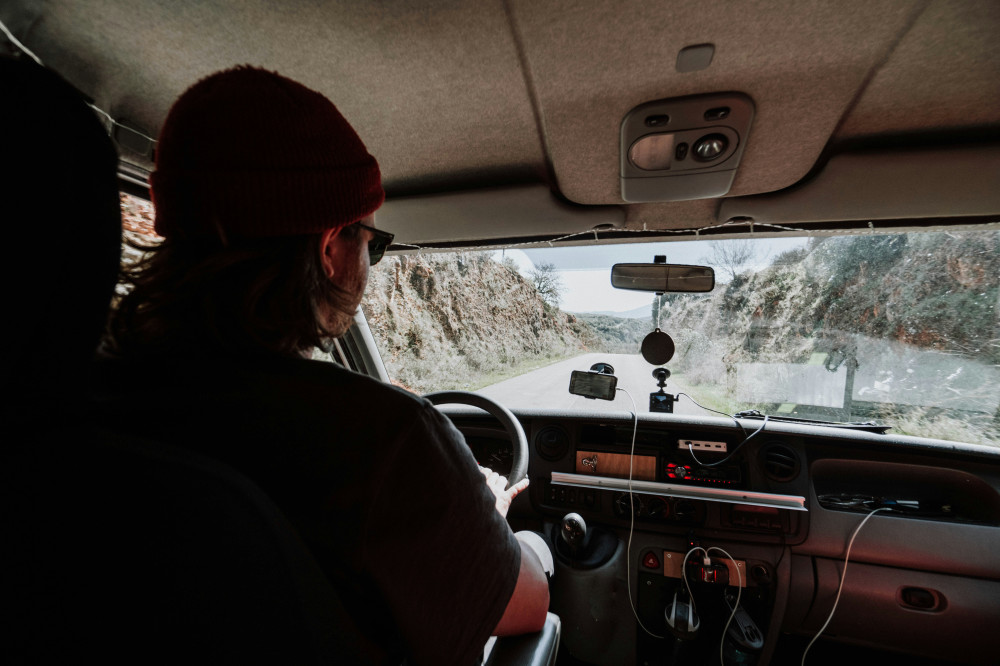
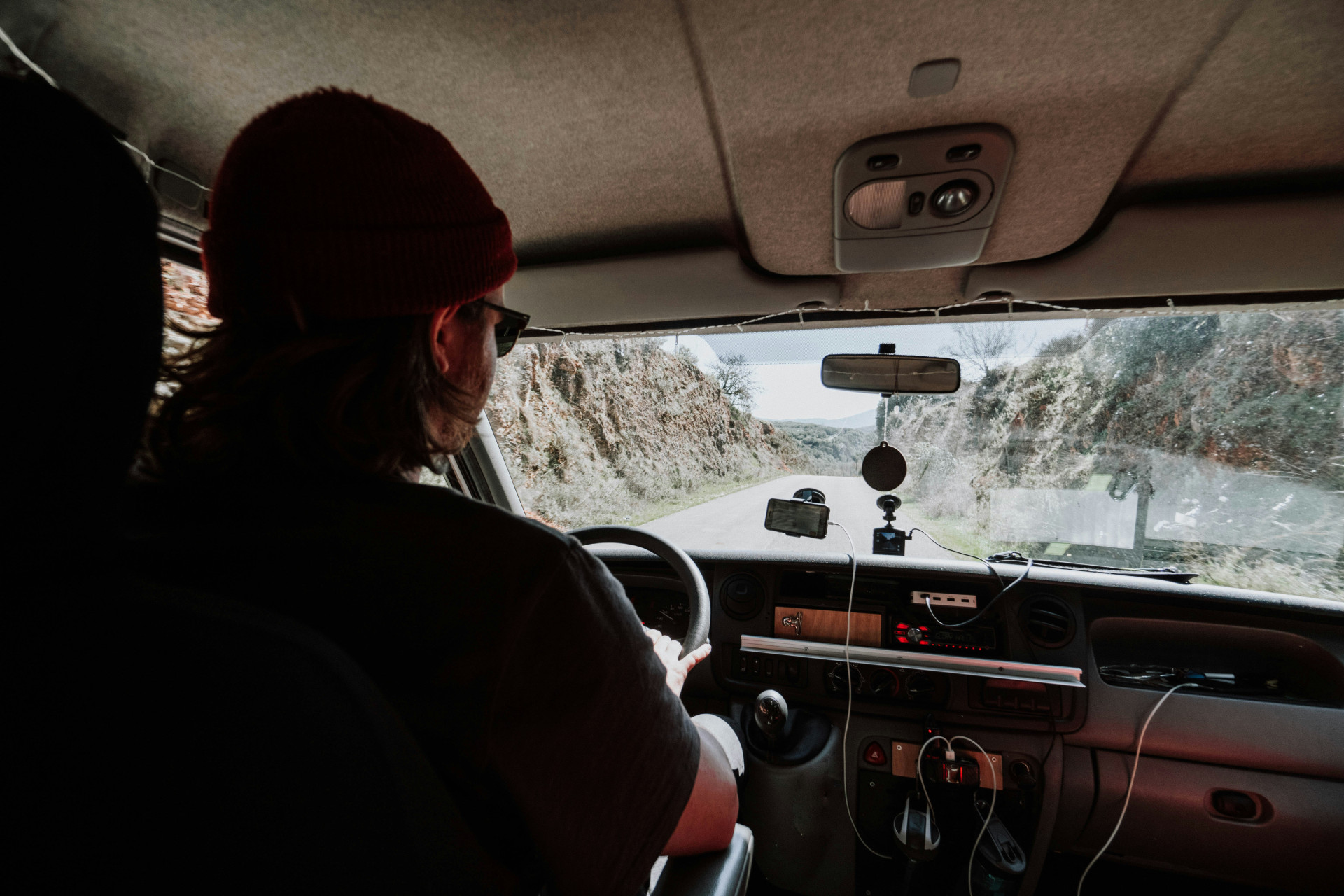
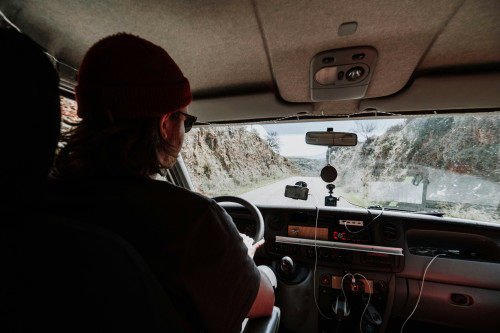
A road trip isn’t just about reaching a destination; it’s about the journey itself. It’s the feeling of being able to stop whenever you want, take a detour, or follow a sign that catches your eye. The car becomes a private space—part shelter, part vessel of imagination—where music plays, conversations flow, and the miles roll by in rhythm with your thoughts.
This sense of autonomy lies at the heart of American car culture. For many, the car represents more than transportation—it’s a tool for self-expression and control over one’s own time and path. In a world increasingly defined by schedules, algorithms, and shared rides, the road trip remains a rare opportunity to move entirely at your own pace.
The Road Trip as Shared Experience
Though often associated with individual freedom, the road trip is also deeply social. Many Americans remember childhood vacations spent in the back seat, playing games, singing along to the radio, and watching the landscape change outside the window. For friends, couples, and families alike, the road trip creates a shared story—one built from roadside diners, unexpected detours, and laughter echoing through the car.
Today, that tradition continues in new ways. Car clubs organize scenic drives, enthusiasts gather for rallies, and social media allows travelers to share their journeys in real time. The road trip has evolved into both a personal ritual and a communal celebration of mobility and connection.
Læs også:
New Roads, New Values
As environmental awareness grows and technology reshapes transportation, the road trip is adapting. Electric vehicles are redefining what it means to travel long distances, offering quieter rides and new kinds of planning around charging stops. For some, this slower, more deliberate pace brings a renewed appreciation for the journey itself.
Modern travelers may choose shorter routes—weekend drives through national parks, coastal highways, or scenic byways—where the focus is on experience rather than distance. The essence of the road trip remains the same: it’s not about how far you go, but how deeply you connect with the road, the landscape, and the people you meet along the way.
A Culture That Keeps Rolling
The road trip has survived economic downturns, fuel crises, and changing travel habits because it speaks to something timeless: the human desire to move, explore, and feel free. Whether behind the wheel of a vintage convertible, a family SUV, or a sleek electric car, the sensation endures—the open road stretching ahead, full of possibility.
As long as there are people who dream of setting out without a fixed plan, the road trip will remain a cornerstone of car culture—a living symbol of freedom on four wheels.
Læs også: