The Small Details That Made the Classics: Badges, Grilles, and Headlights

The Small Details That Made the Classics: Badges, Grilles, and Headlights
When people talk about classic cars, the conversation often centers on engines, body lines, and performance. But behind those sweeping shapes lies a world of small details that define a car’s personality. Badges, grilles, and headlights are more than functional components—they’re symbols of their era, reflections of craftsmanship, and expressions of brand identity. They tell stories of times when design and pride went hand in hand.
The Badge – The Car’s Signature
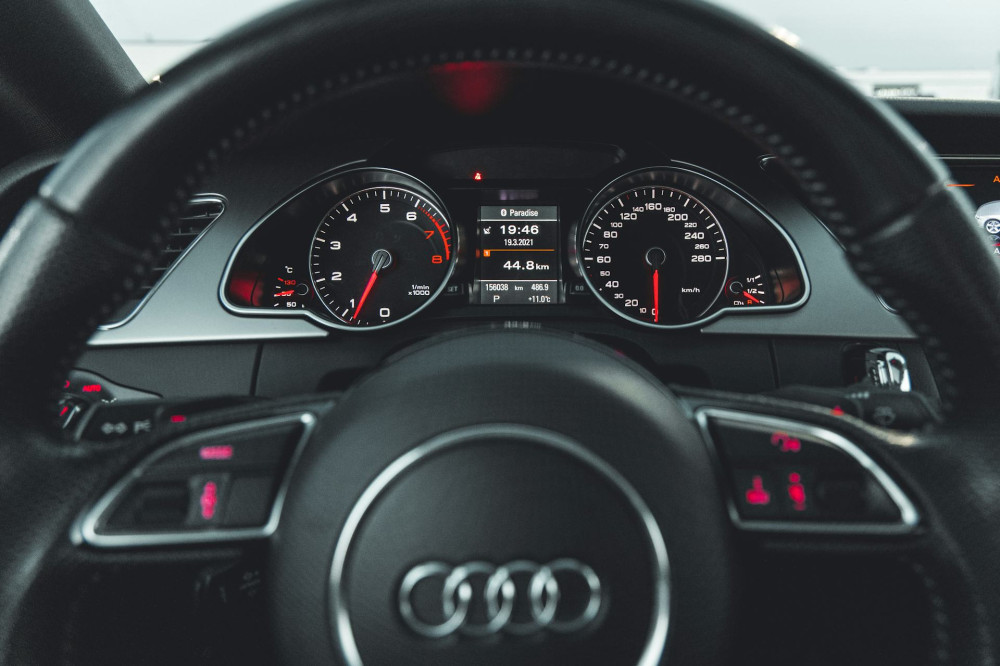
A badge is more than a logo; it’s the car’s signature, its handshake with the world. During the golden age of the automobile—from the 1930s through the 1970s—badges were often made of metal, enamel, or glass, and many were miniature works of art. Think of the winged Bentley “B,” the Chevrolet bowtie, or the Ford blue oval—symbols that have become part of automotive history.
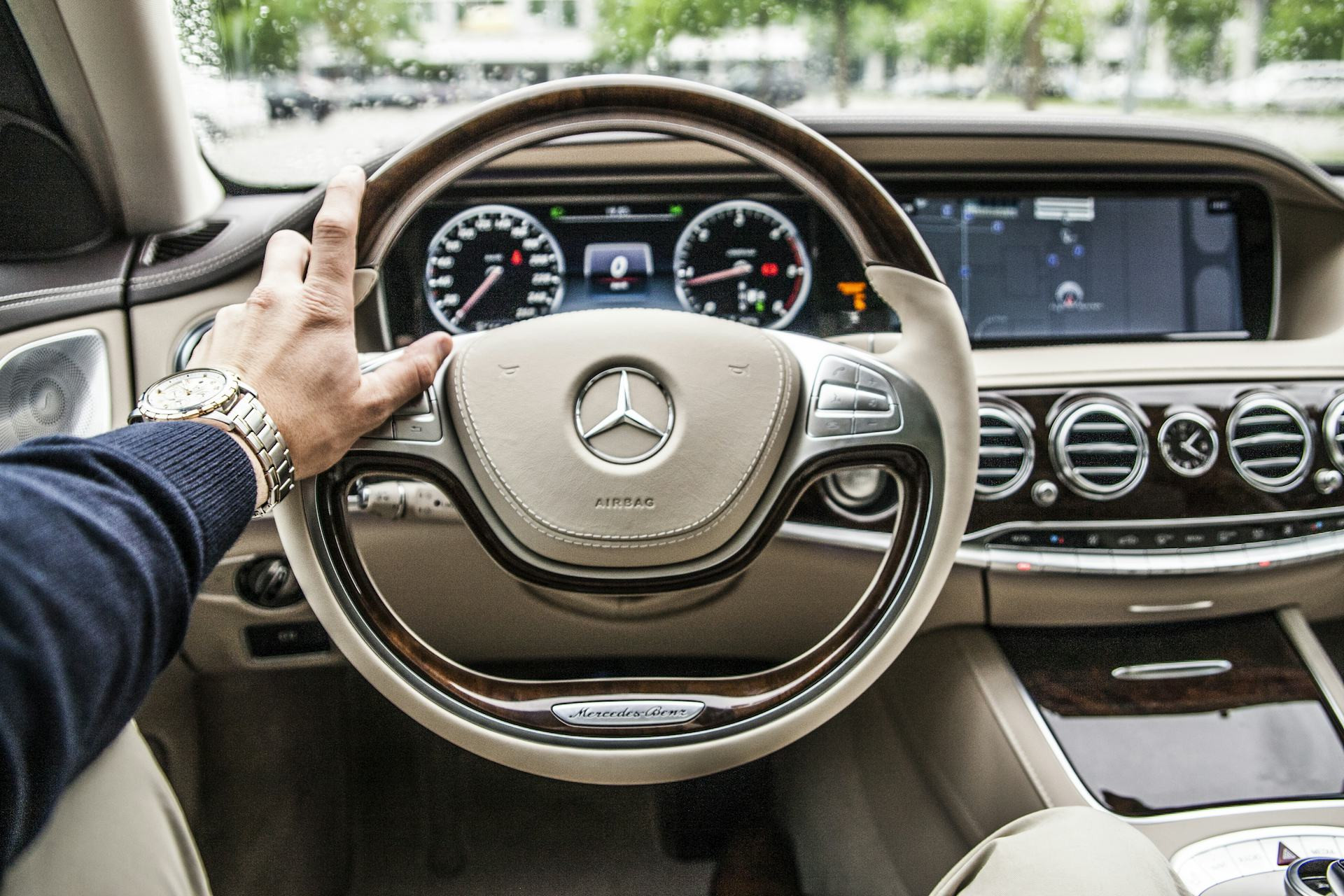
Badges were designed to convey prestige and quality. They were placed with intention: on the hood, the steering wheel, or the trunk lid, where they could catch the light just right. Today, many modern cars use flat, plastic emblems, but for collectors and restorers, the old metal badges remain prized treasures. They represent a time when even the smallest detail was crafted with care and pride.
The Grille – The Face of the Car
The grille is often the first thing you notice on a car. It serves both a practical and aesthetic purpose—channeling air to the engine while giving the vehicle its “face.” In the 1950s and ’60s, the grille became a defining design element, with each brand developing its own signature look.
Rolls-Royce has its stately, vertical grille inspired by classical architecture. BMW’s twin-kidney design has been a hallmark since the 1930s. And in America, the chrome-heavy grilles of the 1950s symbolized confidence and abundance. From the toothy grin of a 1957 Chevrolet Bel Air to the bold crosshair of a Dodge, the grille told you everything about the car’s attitude.
Today, the grille remains a key part of brand identity, even as its function evolves. Electric vehicles don’t need large air intakes, so designers use the grille as a stylistic nod to tradition—a bridge between the mechanical past and the digital future.
Læs også:


The Headlights – From Function to Expression
Headlights have undergone a remarkable transformation. From the simple round lamps of early cars to today’s intricate LED and laser systems, they’ve always balanced function and form. In classic cars, headlights were often among the most distinctive features—round, oval, or framed in chrome, like those on a 1965 Mustang or a 1959 Cadillac.
Rear lights, too, became design statements. The rocket-inspired tailfins and bullet-shaped lamps of late-1950s Cadillacs captured the optimism of the space age. Meanwhile, European designs tended to be more restrained but equally elegant—think of the clean, oval taillights of a Porsche 356 or the vertical lamps of a Jaguar Mark II.
Today, lighting has become part of a car’s digital identity. Animated light signatures, dynamic turn signals, and illuminated logos create instant recognition—a modern echo of the classic forms that once defined automotive character.
The Details That Create the Whole
When you look at a classic car, it’s the sum of its details that makes it special. A badge that gleams in the sun. A grille that exudes strength and grace. Headlights that give the car a face—almost a personality. These elements aren’t just decoration; they’re carriers of culture and history.
For many enthusiasts, it’s these very details that make restoration so rewarding. Finding the original badge, polishing the old grille, or bringing vintage headlights back to life is a way of preserving the car’s soul. It’s a tribute to a time when design and craftsmanship were inseparable—and when even the smallest details could turn a car into a classic.
Læs også: