Musical Community: How Playing Together Strengthens Friendships

Musical Community: How Playing Together Strengthens Friendships
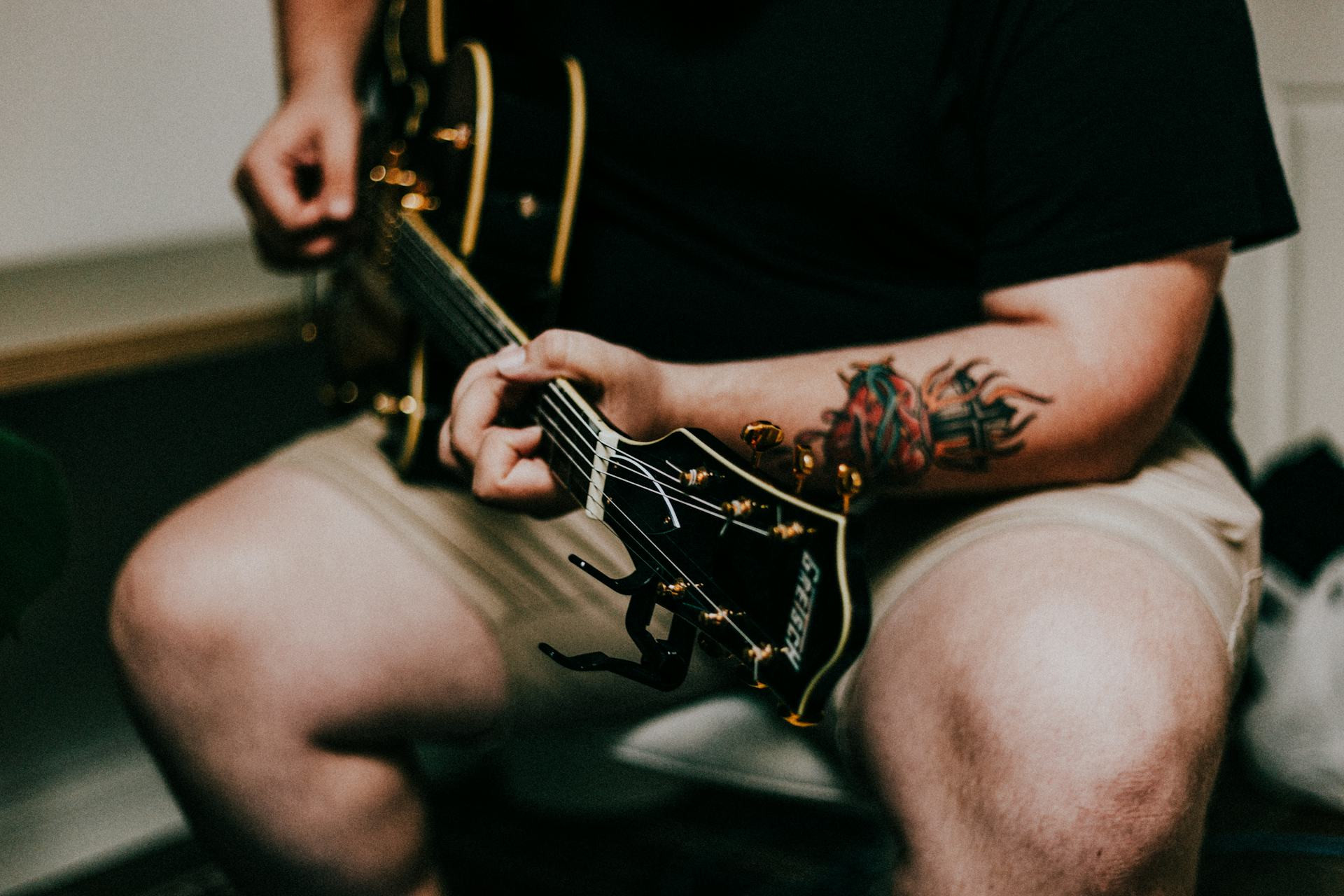
Playing music together is more than just notes and rhythms—it’s a way to connect. When people gather around music, a special kind of community emerges, built on cooperation, trust, and joy. Whether it’s in a band, a choir, or a casual jam session, making music together can become a source of personal growth and lasting friendships.
Music as a Common Language
Music has a unique power to bring people together across age, background, and experience. When you play with others, you communicate not only through words but through sound, eye contact, and body language. It requires listening—not just to the music, but to each other.
In a band or choir, you quickly learn that the whole only works when everyone contributes and adapts. The shared pulse and rhythm become a symbol of teamwork, where every voice or instrument has its place. That sense of unity can be hard to find elsewhere.
Playing Together Builds Trust
Making music together is, at its core, an exercise in trust. You have to be willing to give space—and to take it. During rehearsals or performances, you rely on others to keep time, remember transitions, and step in if something goes wrong. That mutual dependence creates a bond where you learn to trust one another, both musically and personally.
Many musicians describe how playing together gives them a sense of safety. You know you’re not alone, and that mistakes aren’t disasters but part of the process. That trust makes it easier to take risks, experiment, and grow.
Læs også:
Friendships That Grow Through Music
Sharing musical experiences also means sharing emotions. The excitement of a great performance, the frustration of a tricky passage, or the laughter during an improvised jam—all of it brings people closer. Over time, music becomes a shared language of friendship.
What often starts as a practical collaboration can turn into something deeper. You get to know each other’s strengths, weaknesses, and personalities. You celebrate successes together and support each other when motivation dips. In those moments, music becomes more than a hobby—it becomes a community.
Everyday Music—No Stage Required
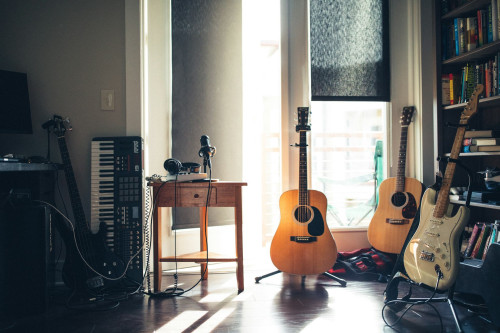
You don’t need to be on stage to experience musical connection. It can happen in a living room, a school music room, or a community center. Many people find that playing together brings energy and joy into everyday life—a break from work, studies, or responsibilities.
Even small musical gatherings can have a big impact. A weekly choir rehearsal or a jam with friends can become a steady anchor, a time to unwind and be present. Music becomes a way to be together without pressure or performance.
How to Strengthen Your Musical Community
If you want to experience how music can build relationships, there are many ways to start:
- Find a group – Local community centers, music schools, and churches often host ensembles for all skill levels.
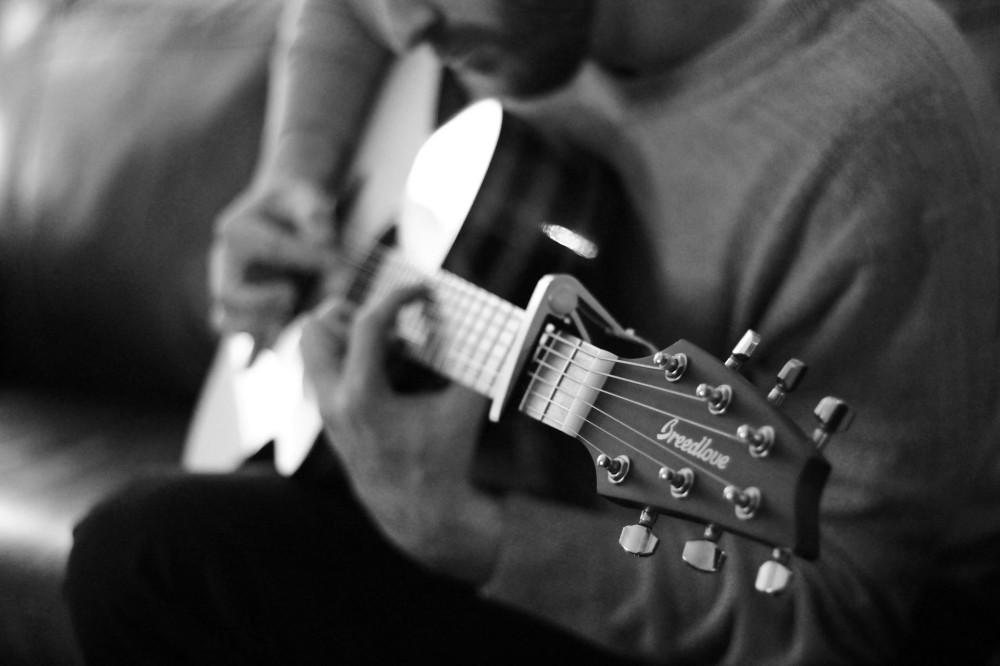
- Start small – You don’t need a full band. Two people with a guitar and a voice can create something beautiful.
- Listen actively – Playing together is as much about listening as it is about performing.
- Share your experiences – Record your sessions, play for friends, or organize small concerts. Sharing strengthens connection.
- Stay open – Musical collaboration thrives on flexibility and respect for others’ ideas.
When you share music, you share a part of yourself. That’s what makes musical communities so powerful—they’re built on genuine presence and shared passion.
Music as a Bridge Between People
In a time when much of our interaction happens online, music remains one of the most authentic ways to connect. It demands presence, cooperation, and empathy. When you play together, differences fade, and you become part of something larger.
In the end, making music together is about creating connections—between sounds, between people, and between emotions. And in that meeting of rhythm and friendship, bonds are formed that can last a lifetime.
Læs også: