The Joy of Music Through Life – From Childhood’s First Notes to the Final Concert of Old Age


The Joy of Music Through Life – From Childhood’s First Notes to the Final Concert of Old Age
Music accompanies us through every stage of life – from the lullabies that soothe us as infants to the melodies that stir our memories in old age. It is the soundtrack to our experiences, emotions, and relationships. Whether we play, sing, or simply listen, music has a unique power to bring joy, comfort, and connection. This article explores how our relationship with music evolves through life’s chapters – and why it remains a constant source of meaning.
The First Notes of Childhood
For most of us, the love of music begins early. Babies respond instinctively to rhythm and melody – they sway, clap, and hum long before they can speak. Music nurtures language, movement, and imagination, and it creates a sense of security in the bond between children and caregivers.
Songs and rhymes become part of childhood rituals: bedtime tunes, birthday songs, and sing-alongs at preschool. These melodies often stay with us for life, anchoring memories of warmth and belonging. Giving children the chance to explore music – through singing, simple instruments, or playful rhythm – is a gift that extends far beyond childhood.
The Soundtrack of Youth
In adolescence, music becomes a declaration of identity. It helps us figure out who we are and where we belong. Many people can recall the artists or bands that gave voice to their teenage emotions – love, rebellion, hope, or heartbreak. Music becomes a language for feelings that words alone can’t express.
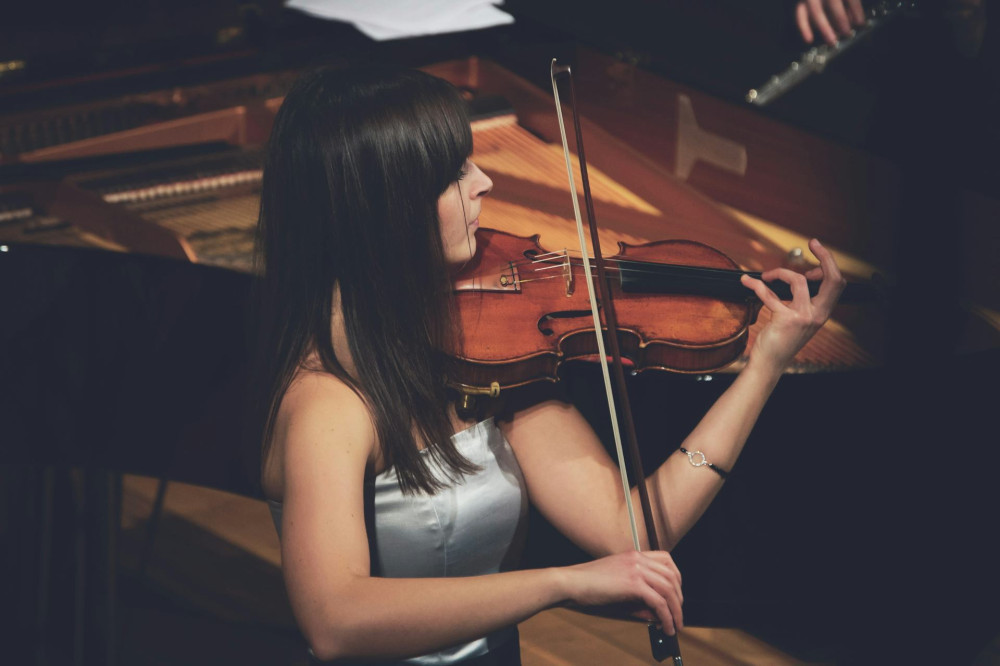
It’s also a time when many start making music themselves: joining a school band, singing in choir, or forming a garage group with friends. Music becomes a social glue, a way to connect and create shared experiences. For some, it sparks a lifelong passion; for others, it remains a cherished memory of a time when everything felt vivid and new.
Læs også:



The Rhythm of Adulthood
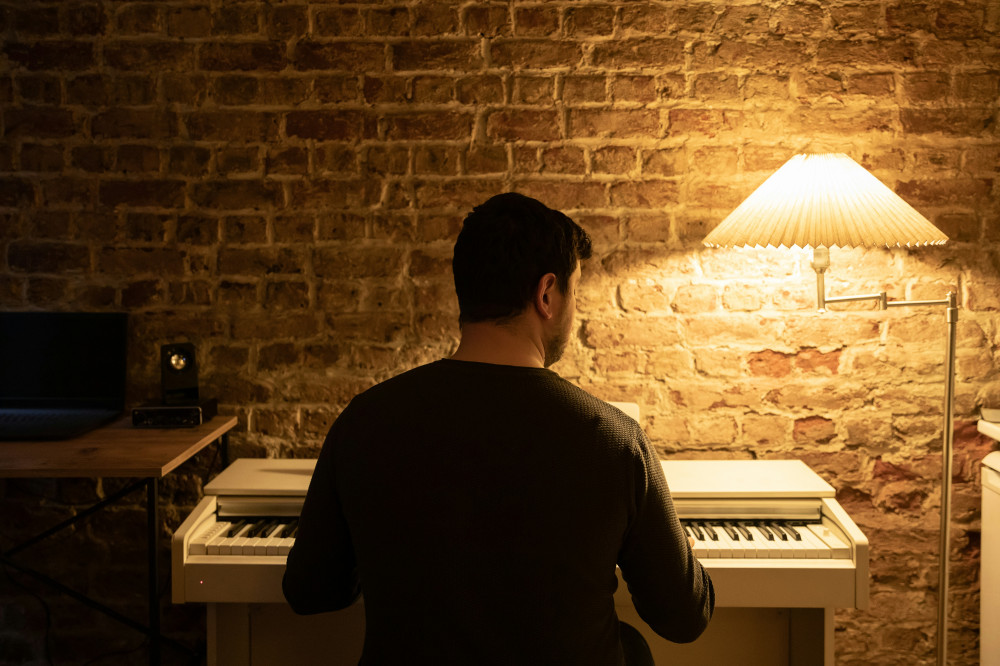
As we enter adulthood, our relationship with music often shifts. Daily life fills with work, family, and responsibilities, and music may take on a more practical role – as background for cooking, commuting, or exercising. Yet in the midst of busy routines, music can be a vital source of calm and reflection.
Many adults rediscover the joy of making music once their schedules allow. Community choirs, local orchestras, and adult music classes are thriving across the United States, proving that musical expression doesn’t require youthful energy – only the desire to connect and create.
Music also strengthens relationships. A shared concert, a song sung together on a road trip, or a spontaneous dance in the kitchen can bring moments of closeness and joy that cut through the noise of everyday life.
Music as a Lifelong Companion in Old Age
In later years, music takes on new meaning. It becomes a bridge to memories, people, and emotions. For many older adults, familiar songs can awaken recollections even when memory fades. Research shows that music can improve mood, cognition, and overall well-being among seniors – including those living with dementia.
Programs that bring music into senior centers, nursing homes, and community gatherings are more than entertainment; they are ways to preserve identity and joy. Singing together or listening to beloved tunes reminds older adults of who they have been – and who they still are.
Music as a Universal Language
No matter our age, background, or ability, music is a language we all understand. It connects generations, builds community, and bridges differences. When grandparents sing with grandchildren, or when people of all ages gather at a concert, something deeply human is shared – a sense of belonging that words alone rarely achieve.
The joy of music is not only in hearing or performing it, but in sharing it. It ties the stages of life together and reminds us that we all carry an inner rhythm – one that plays from our first notes to the final concert of old age.
Læs også: