Sharp Turns at Speed: Techniques for Better Bike Control

Sharp Turns at Speed: Techniques for Better Bike Control
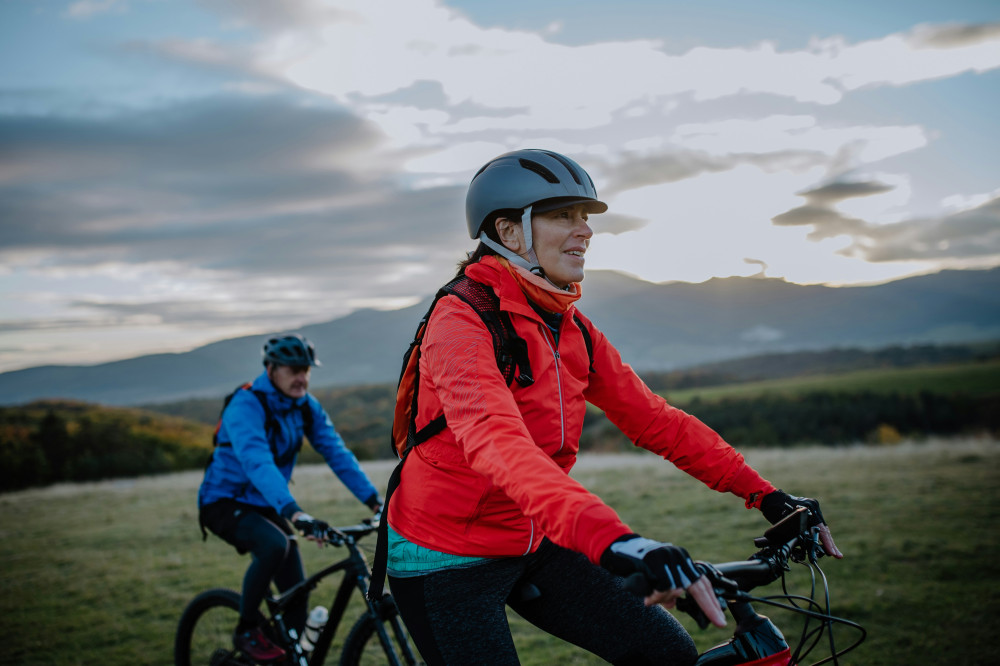
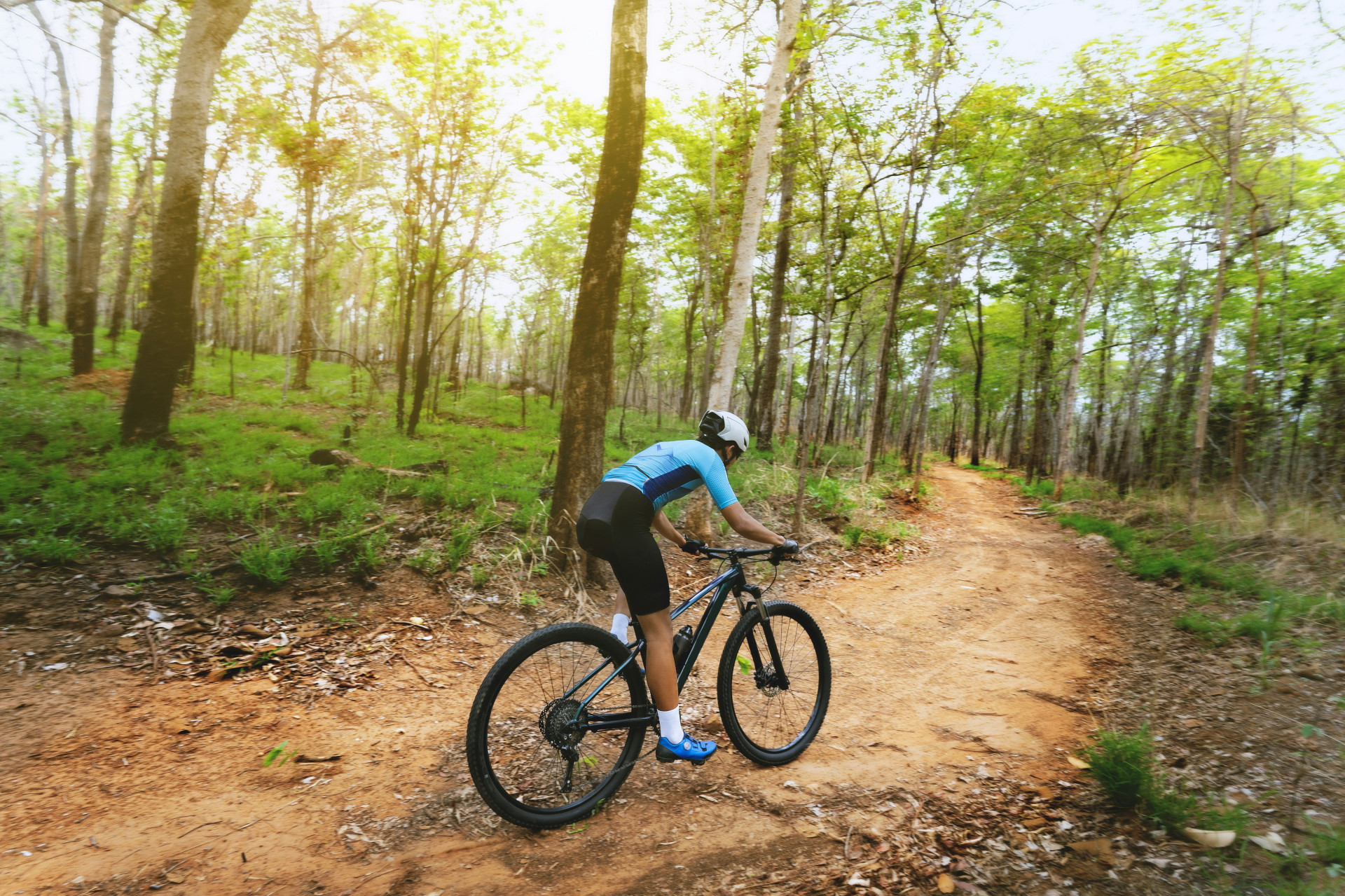
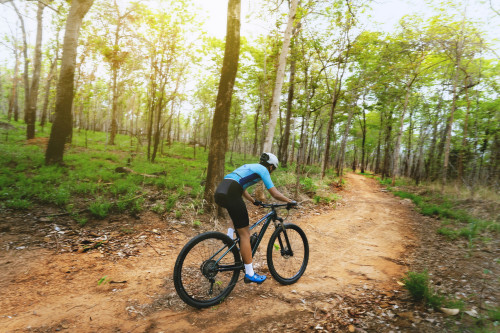
Taking a sharp turn at speed isn’t just about courage—it’s about precision, balance, and timing. Whether you’re riding on a winding mountain road, a gravel trail, or through city streets, mastering cornering technique can make you both faster and safer. Here’s a guide to improving your bike control and learning how to handle turns like a seasoned rider.
Understanding the Physics of a Turn
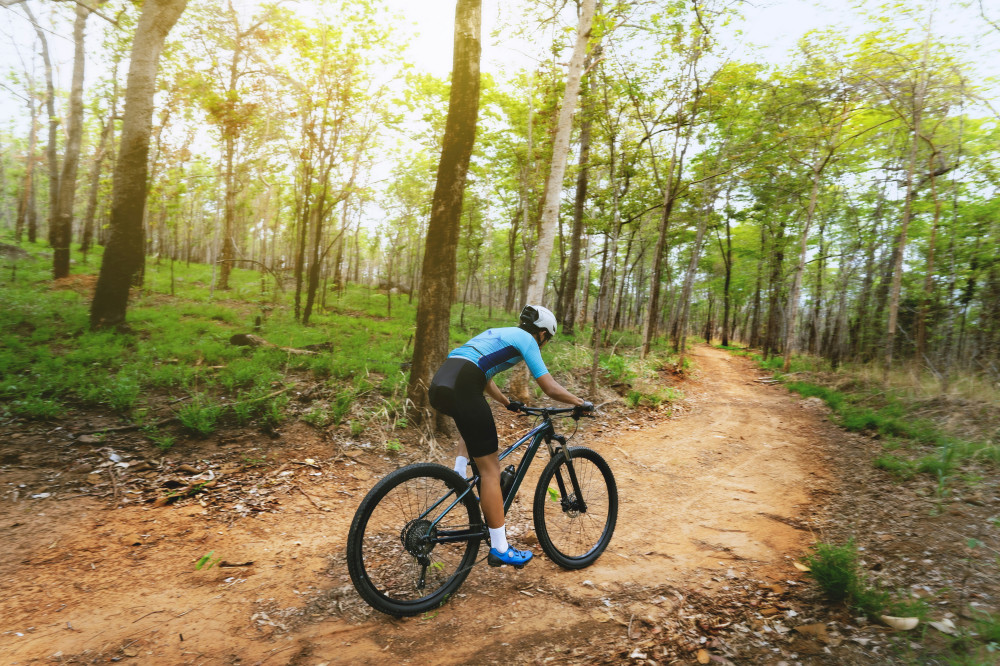
When you corner, you’re working against centrifugal force, which pushes you outward. To stay balanced, you need to lean the bike into the turn—but not necessarily your body to the same degree. The faster you go, the more you’ll need to lean, but it should always feel smooth and controlled.
Keep your eyes focused on the exit of the turn. Your body naturally follows your gaze, helping you steer more accurately. Many riders make the mistake of looking down at the front wheel or directly in front of them, which makes it harder to anticipate the right line through the curve.
Body Position and Weight Distribution
Your body position is key to maintaining grip and stability. As you approach a turn:
- Shift your weight slightly back – this helps maintain traction on the rear wheel.
- Press down on the outside pedal – this increases grip and stability through the turn.
- Keep your elbows slightly bent – it allows flexibility and better control of the handlebars.
- Lower your torso – a lower center of gravity makes the bike more stable.
On a mountain bike, you may need to move your weight more dynamically depending on the terrain, while road cyclists should focus on a smooth, consistent motion through the curve.
Brake Before, Not During, the Turn
One of the most common mistakes is braking mid-turn. Doing so shifts your weight forward and reduces traction on the rear wheel, increasing the risk of skidding. Instead, brake before entering the turn so you can maintain a steady speed and focus on your line.
Use both brakes, but rely more on the front brake—it provides most of your stopping power. Gradually release the brakes before leaning into the turn, and keep your speed consistent through the curve. On wet or loose surfaces, brake earlier and more gently.
Choosing the Right Line
A good cornering line is about finding the most efficient path through the turn. The basic rule is outside–inside–outside: start wide, move toward the inside at the apex, and exit wide again. This creates a smoother arc and allows you to carry more speed without losing control.
In traffic or on narrow trails, always adjust for safety—there may be oncoming riders, pedestrians, or uneven pavement that require a tighter, more cautious line.
Læs også:
Practice Step by Step
Like any skill, good cornering takes practice. Start at low speeds in a safe area—an empty parking lot or a quiet bike path works well. Practice:
- Looking through the turn instead of down at your wheel.
- Shifting your weight correctly and pressing the outside pedal.
- Braking smoothly before the turn.
- Experimenting with different lean angles and lines.
As you gain confidence, gradually increase your speed and try different surfaces. Small adjustments in body position and vision often make the biggest difference.
Safety and Confidence Go Together
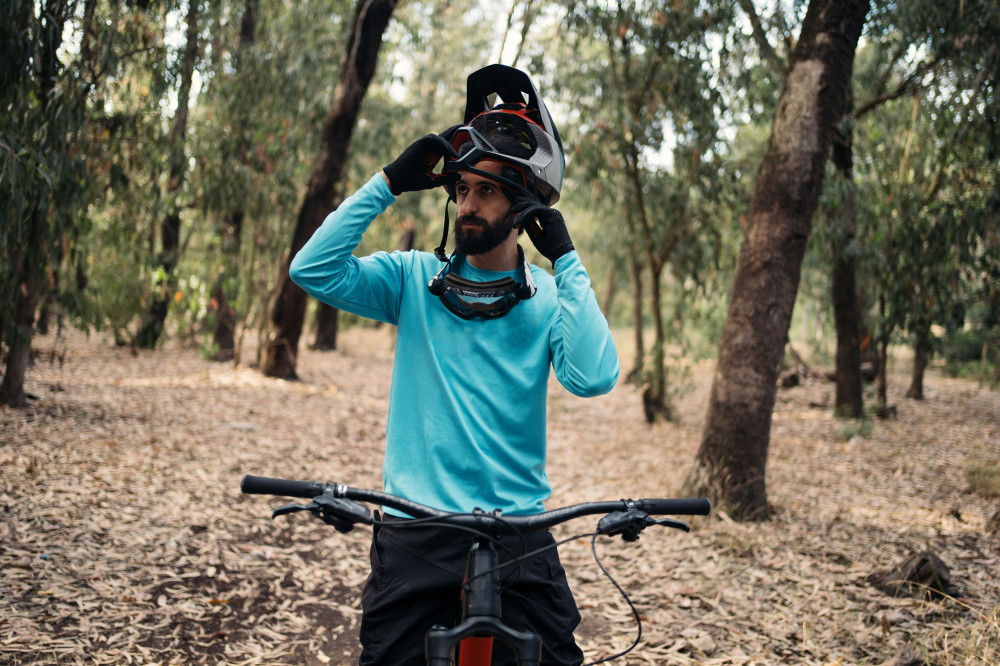
Confidence comes from preparation. Make sure your tires are properly inflated and have good tread, and that your brakes are in top condition. Always wear a helmet, and be aware of road or trail conditions—gravel, leaves, or rain can make surfaces slippery.
The more you understand how your bike moves, the more natural fast cornering will feel. It’s not about pushing limits, but about finding that balance where speed and control meet.
From Technique to Flow
Once the technique becomes second nature, you’ll experience what many riders call “flow”—that effortless feeling of gliding through turns where everything just clicks. That’s when cycling becomes not only faster and safer, but also pure joy.
So next time you approach a curve, remember: look, lean, and let the bike work with you. With the right technique, you can take sharp turns at speed—and stay fully in control.
Læs også: