Small Adventures, Big Impact: Experiences That Build Children’s Confidence and Courage

Small Adventures, Big Impact: Experiences That Build Children’s Confidence and Courage
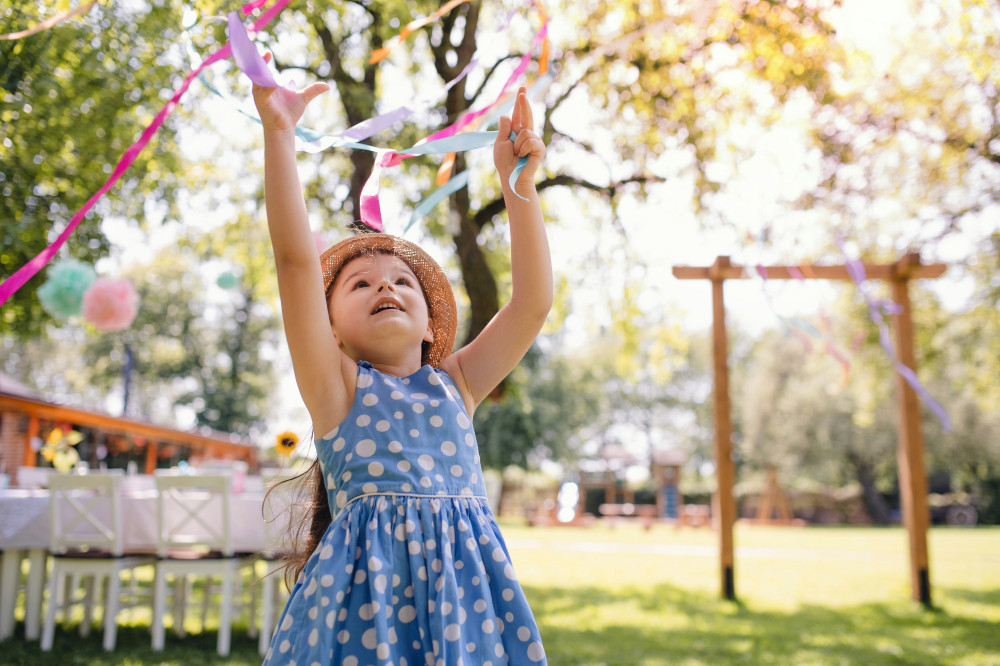
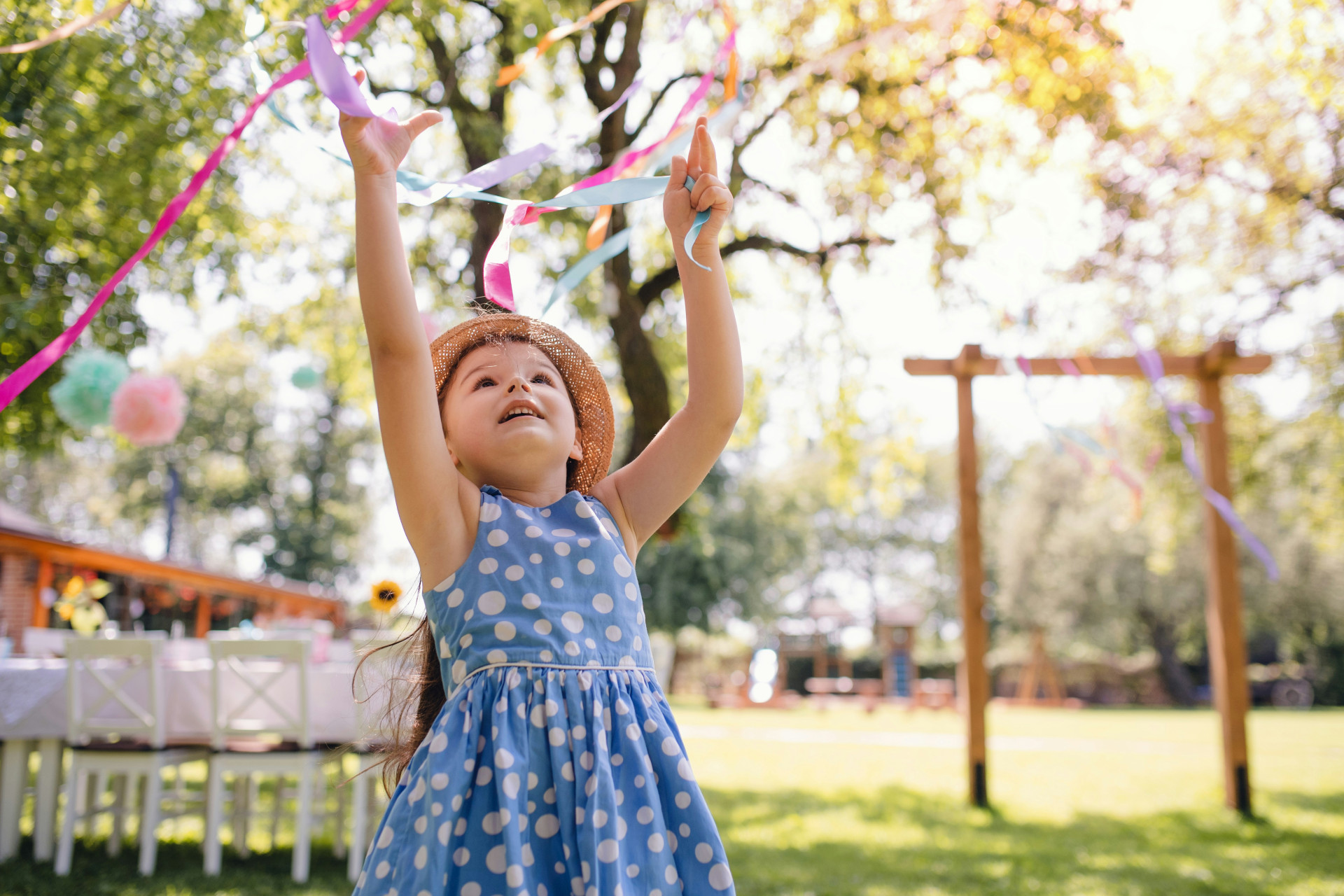
A child who dares to climb a tree, speak up in class, or ride a bike to a friend’s house isn’t just learning a skill – they’re taking a step toward greater confidence and independence. Everyday adventures, even the small ones, can have a powerful effect on a child’s development. It’s not about scaling mountains or traveling far away, but about creating moments where children can try, fail, and succeed on their own terms.
Why Small Adventures Matter
When children are given the chance to explore the world within safe boundaries, they develop both courage and trust in their own abilities. Child development experts emphasize that experiences where kids take initiative and solve problems themselves strengthen their sense of mastery – a key building block of confidence.
A small adventure might be walking the dog alone, setting up a lemonade stand, or finding their way through a local park with a map. What matters most isn’t the size of the challenge, but the feeling of “I did it myself.”
Encouraging Curiosity and Initiative
Children are naturally curious, but in our busy, structured lives, adults often take over too quickly. By giving kids room to take initiative – and by supporting rather than directing – we help them learn to trust themselves.
- Let your child plan an outing. Give them a map, a small budget, and a goal – and let them figure out how to get there.
- Create small challenges. It could be building a fort, cooking a simple meal, or finding the way home from the playground.
- Praise effort, not just results. When children see that their hard work is valued, they gain the courage to keep trying.
Nature as a Classroom
The outdoors is a perfect setting for small adventures. It offers space to explore, move, and experience freedom. At the same time, it teaches responsibility – for oneself, for others, and for the environment.
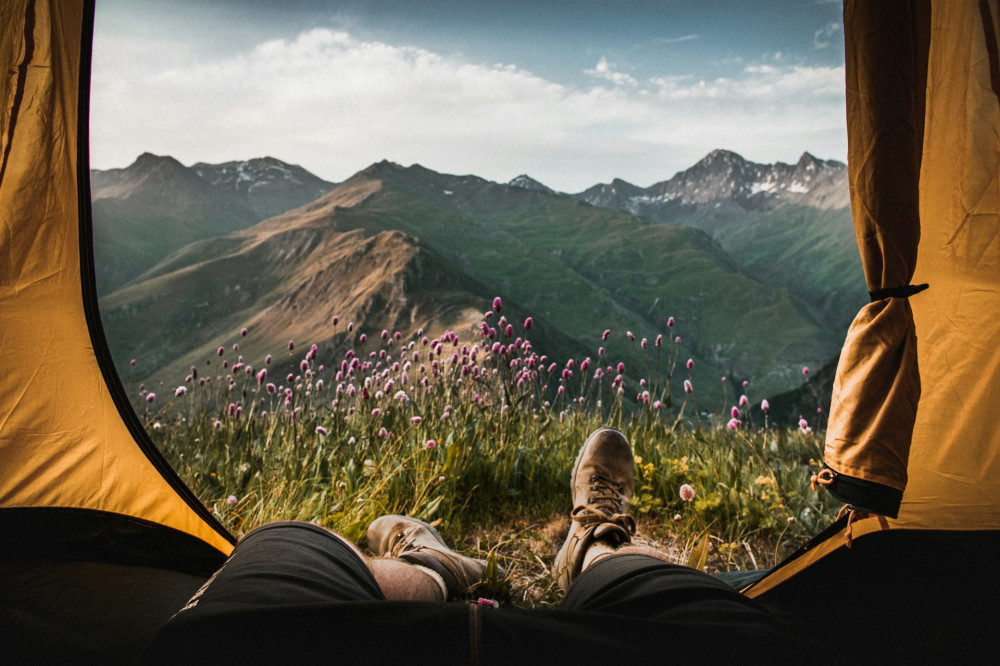
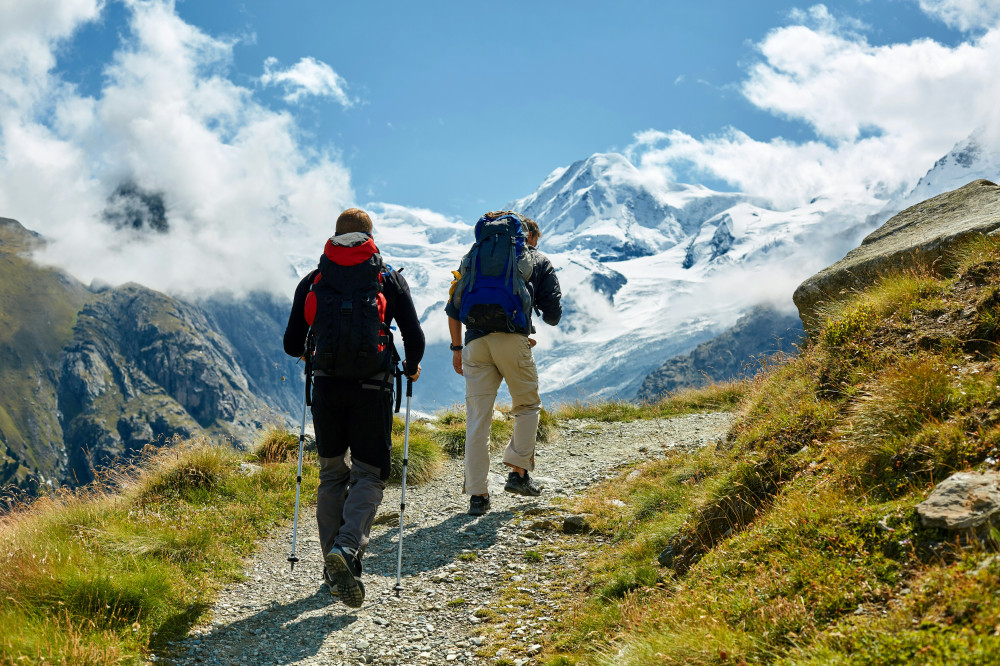
A family hike can become a lesson in teamwork when everyone helps navigate the trail or set up a tent. A night camping in the backyard can give a child the thrill of independence. Even a rainy day can become an opportunity to learn that joy doesn’t depend on perfect conditions.
Læs også:



Confidence Grows Through Repetition
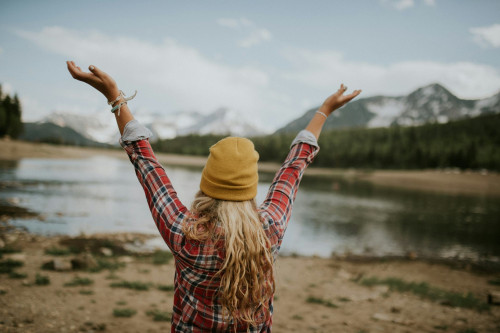
Confidence doesn’t come from one big success, but from repeated experiences of trying, learning, and bouncing back. That’s why small adventures should be part of everyday life, not just something reserved for vacations.
A child who’s trusted to take small steps toward independence is better prepared for bigger challenges later on – starting a new school, joining a team, or speaking up in a group. Each time they realize they can do more than they thought, their courage grows.
Creating Safe Spaces for the Unexpected
Parents play a key role in creating safe conditions for adventure. It’s not about removing all risk, but about making it manageable. Talk with your child about what might happen and how they can respond. This helps them think ahead and take responsibility.
Start small and build gradually. When children feel that you believe in them, it becomes easier for them to believe in themselves.
Adventures That Bring You Closer
While the goal is to nurture independence, small adventures can also strengthen the bond between parent and child. When you share new experiences – without screens, schedules, or distractions – you create space for laughter, conversation, and connection.
It might be a bike ride to a new park, a night under the stars, or baking bread over a campfire. What matters most is that the experience feels real and shared.
Small Steps, Big Results
Giving children the chance for small adventures is ultimately about giving them faith in their own abilities. It takes courage – both from the child and from the adult who must let go a little. But the reward is great: children who dare to try, to fail, and to stand tall.
So next time your child asks to walk to a friend’s house, build a fort in the yard, or camp out with a buddy – consider saying yes. It might just be the start of a small adventure with a big impact.
Læs også: