Spontaneity or Planning? Find Your Shared Balance

Spontaneity or Planning? Find Your Shared Balance
Some people thrive on a full calendar, while others prefer to take each day as it comes. In relationships, friendships, and families, the difference between spontaneity and planning can create both tension and energy. But instead of seeing it as a clash of opposites, it can be an opportunity to find a shared rhythm where both needs have space to exist.
Why We Plan – and Why We Don’t
Planning brings a sense of security. It helps us manage busy schedules, reduce stress, and make sure there’s time for what matters most. For many Americans juggling work, family, and social commitments, planning is a way to create order in a fast-paced life.
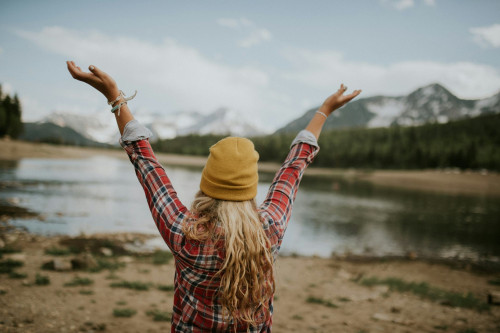
Spontaneity, on the other hand, is about freedom and presence. It’s the ability to seize the moment, say yes to the unexpected, and let yourself be carried away. For some, it’s in those unplanned moments that life feels most alive.
Both approaches have value—but when they meet in daily life, the differences can become clear. One person may feel suffocated by too many plans, while the other feels uneasy without them.
Læs også:


Talk About Your Needs – Not Just Your Habits
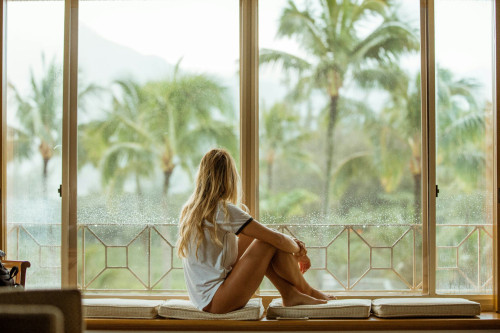
The first step toward balance is understanding why each of you prefers what you do. The planner usually isn’t trying to control everything—they’re seeking calm. The spontaneous one isn’t chasing chaos—they’re seeking freedom.
Try to talk about what’s behind your preferences. Maybe it’s about energy levels, personality, or past experiences. When you understand each other’s motivations, it becomes easier to find compromises that feel natural to both.
Make Room for Both Structure and Freedom
A healthy balance happens when planning and spontaneity can coexist. Here are a few ways to make that happen:
- Plan the framework, not the details. For example, decide that you’ll go out on Saturday, but leave the activity open so you can choose based on your mood.
- Schedule “unscheduled” time. Block off time in your calendar where nothing is planned. It gives you freedom without creating anxiety.
- Switch roles. Let the spontaneous one plan a weekend, and the planner take the lead on a spur-of-the-moment outing. It’s a great way to see things from each other’s perspective.
- Use planning to support spontaneity. When the practical things are taken care of, it’s easier to relax and enjoy the unexpected.
When Differences Become Strengths
Instead of seeing your differences as a problem, use them as a resource. The planner can make sure things actually happen, while the spontaneous one brings fresh energy and creativity. Together, you can create experiences that are both thoughtful and alive.
It does require respect for each other’s boundaries. If one person feels overwhelmed by too many plans, or the other feels frustrated by a lack of structure, it’s a sign that the balance needs adjusting. Communication is key—and so is the willingness to meet in the middle.
Find Your Shared Rhythm
There’s no single right way to live. Some couples thrive on routines, others on spontaneity as a lifestyle. What matters most is finding a rhythm that fits you both—a daily life with room for predictability and for the moments that happen when you dare to let go.
Finding the balance between planning and spontaneity ultimately comes down to trust—trust in each other, and in the idea that life will unfold just fine, even when not everything is planned in advance.
Læs også: