Trim Your Hedge Naturally: Get a Healthy, Lush Hedge Without Chemicals

Trim Your Hedge Naturally: Get a Healthy, Lush Hedge Without Chemicals
A thick, green hedge adds beauty, privacy, and structure to your yard. But if it’s not cared for properly, it can become patchy, uneven, or unhealthy. The good news is that you can keep your hedge vibrant and full without relying on chemical fertilizers or pesticides. By understanding your plants, using the right tools, and working with nature’s rhythm, you can create a thriving, eco-friendly hedge that enhances your landscape year after year.
Know Your Hedge and Its Needs
Before you start trimming, take a moment to identify what kind of hedge you have. Different species have different growth habits and care requirements.
- Boxwood and privet respond well to regular trimming and can be shaped tightly.
- Arborvitae and Leyland cypress should be pruned more carefully, as they don’t regrow from old wood.
- Deciduous hedges like beech or hornbeam benefit from light pruning in winter and shaping in summer.
When you understand how your hedge grows, you can trim it in a way that supports its natural form instead of fighting against it.
Timing Is Everything
The best time to trim depends on the type of hedge and your local climate. In most parts of the U.S., these general guidelines apply:
- Early spring (March–April): Remove dead or damaged branches before new growth begins.
- Mid-summer (June–July): Shape the hedge after its first flush of growth.
- Early fall (September): Light touch-ups are fine, but avoid heavy pruning before frost, as new shoots may not harden off in time.
If birds are nesting in your hedge, wait until the young have left the nest before trimming. This small act of patience helps protect local wildlife and keeps your garden in harmony with nature.
Use the Right Tools
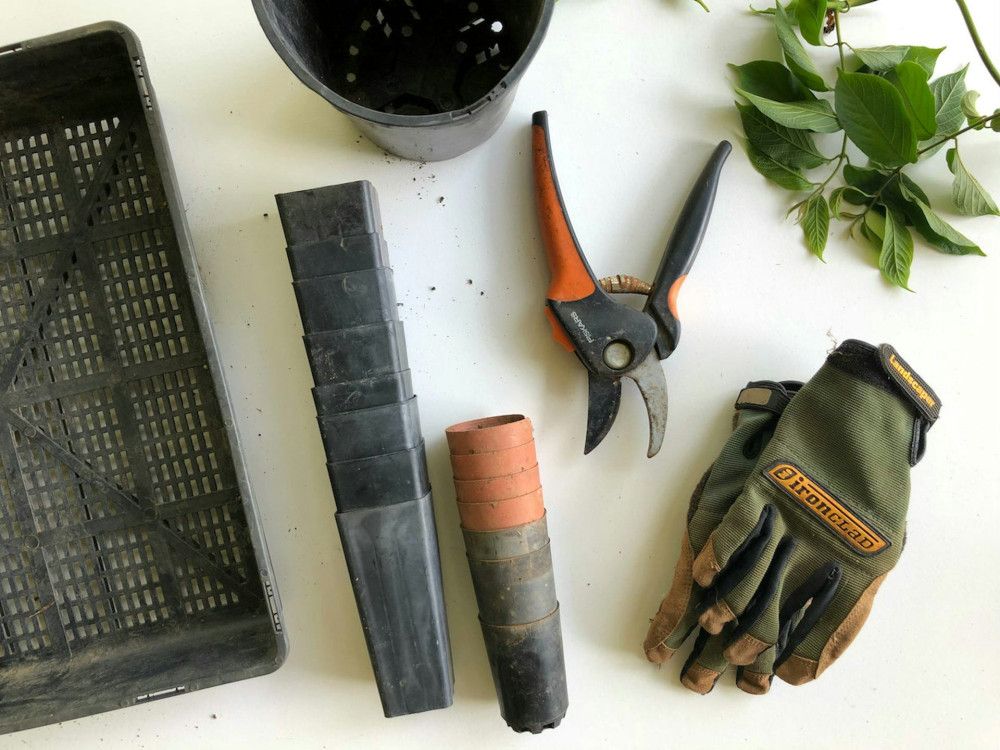
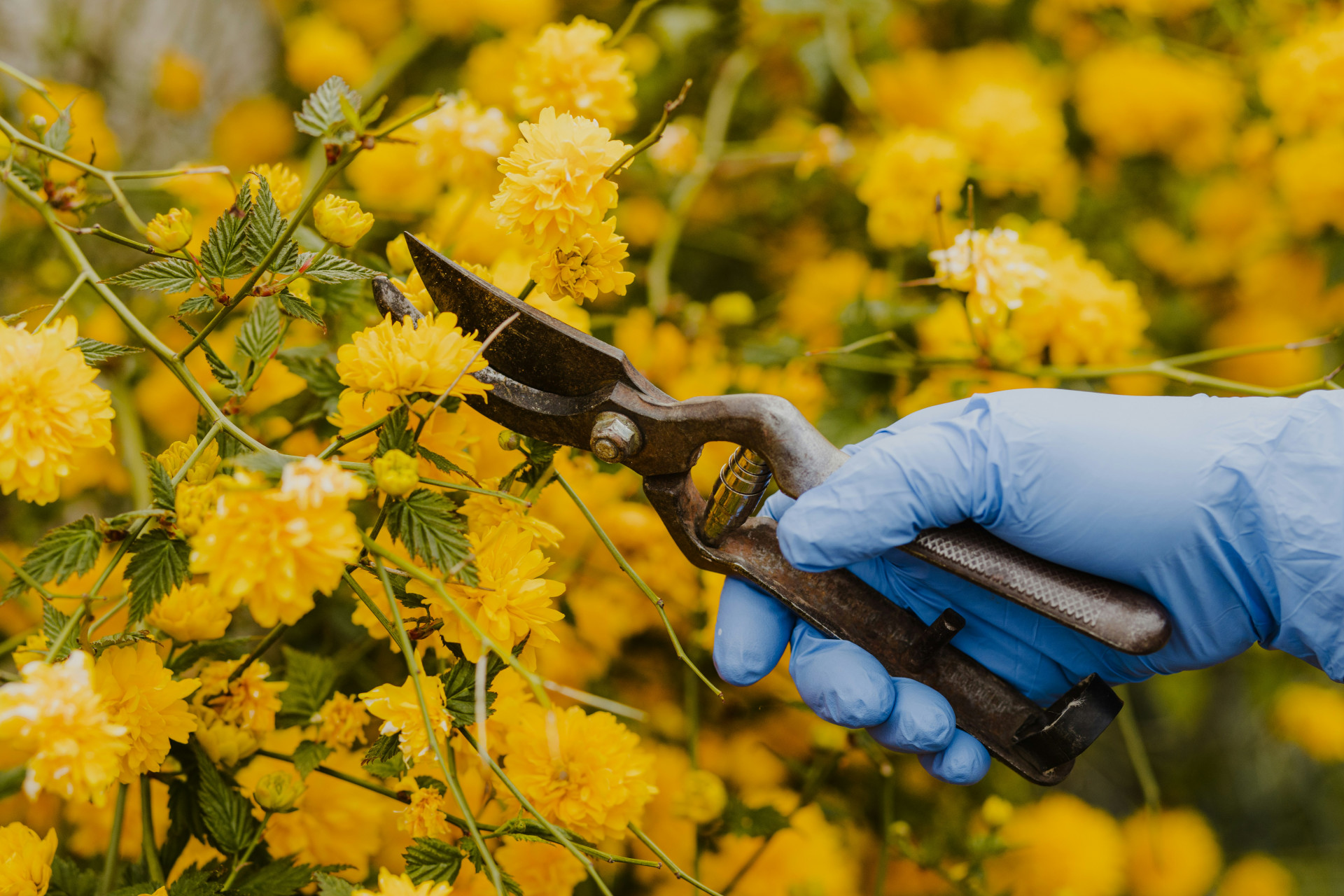
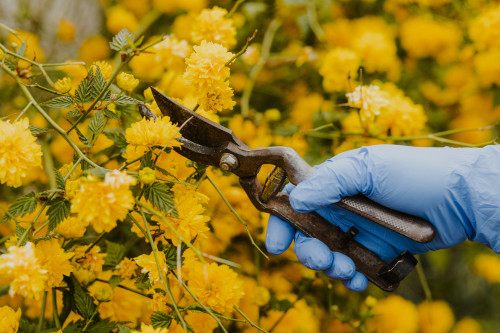
Sharp, clean tools make all the difference. Dull blades tear branches and invite disease. Keep these essentials on hand:
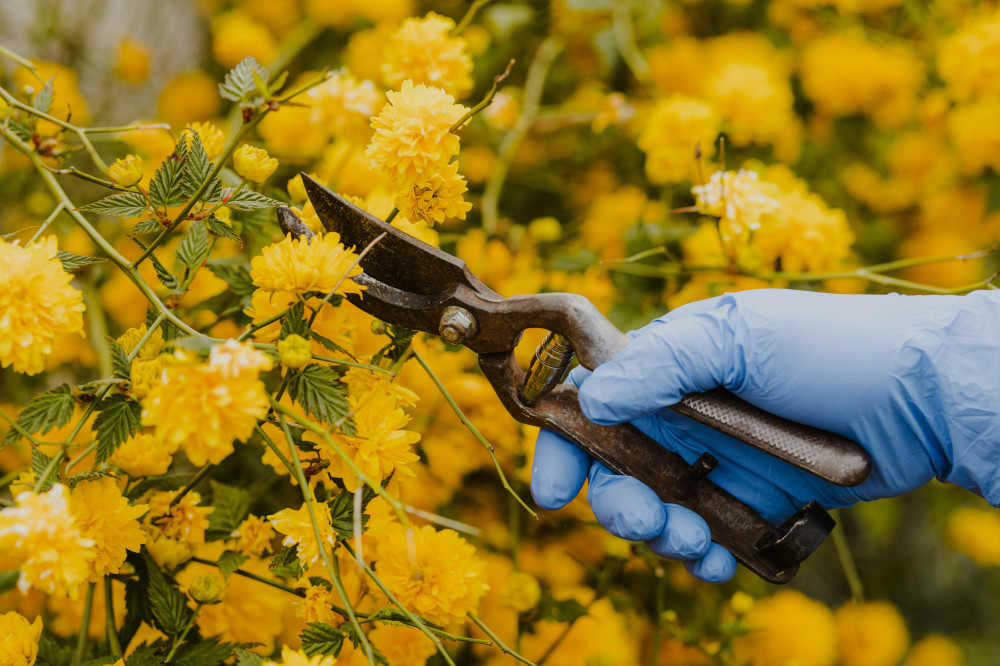
- Hand shears for small hedges and precise shaping.
- Electric or battery-powered trimmers for larger hedges.
- Loppers or pruning saws for thicker branches.
After each use, clean your tools—especially if you’ve pruned diseased plants. A quick wipe with rubbing alcohol or a mild bleach solution helps prevent the spread of pathogens.
Læs også:


Feed Your Hedge Naturally
Healthy soil is the foundation of a healthy hedge. Instead of synthetic fertilizers, try these natural options:
- Compost: Adds nutrients and improves soil structure.
- Grass clippings: Spread a thin layer under the hedge as a natural mulch and slow-release fertilizer.
- Leaf litter or wood chips: Help retain moisture and encourage beneficial soil life.
If your soil is sandy or poor, mix in composted manure or organic topsoil to boost fertility and water retention.
Shape and Balance
A well-shaped hedge should be wider at the base than at the top. This allows sunlight to reach the lower branches, keeping the hedge full from top to bottom. Use a string line or stakes to guide your cuts and maintain an even shape.
Trim gradually rather than taking off too much at once. Gentle, consistent pruning encourages dense growth and reduces the risk of bare patches or browning.
Encourage Biodiversity
A natural hedge can be more than just a boundary—it can be a mini wildlife habitat. By allowing a few flowering or berry-producing shrubs to grow, you’ll attract pollinators, birds, and beneficial insects. Consider mixing in native species like holly, serviceberry, or viburnum for seasonal interest and ecological value.
Avoid pesticides and herbicides whenever possible. They harm not only pests but also the beneficial organisms that keep your garden balanced. Instead, pull weeds by hand or use mulch to suppress unwanted growth.
Patience Pays Off
A naturally maintained hedge takes time to reach its full potential. It may take a few seasons before it achieves the density and shape you want, but the result is worth it—a stronger, healthier hedge that requires less maintenance in the long run.
By working with nature instead of against it, you’ll create a hedge that’s not only beautiful but also sustainable, supporting a vibrant ecosystem right in your own backyard.
Læs også: