Year-Round Garden in Pots and Beds – Combine Plants for Variety All Year

Year-Round Garden in Pots and Beds – Combine Plants for Variety All Year
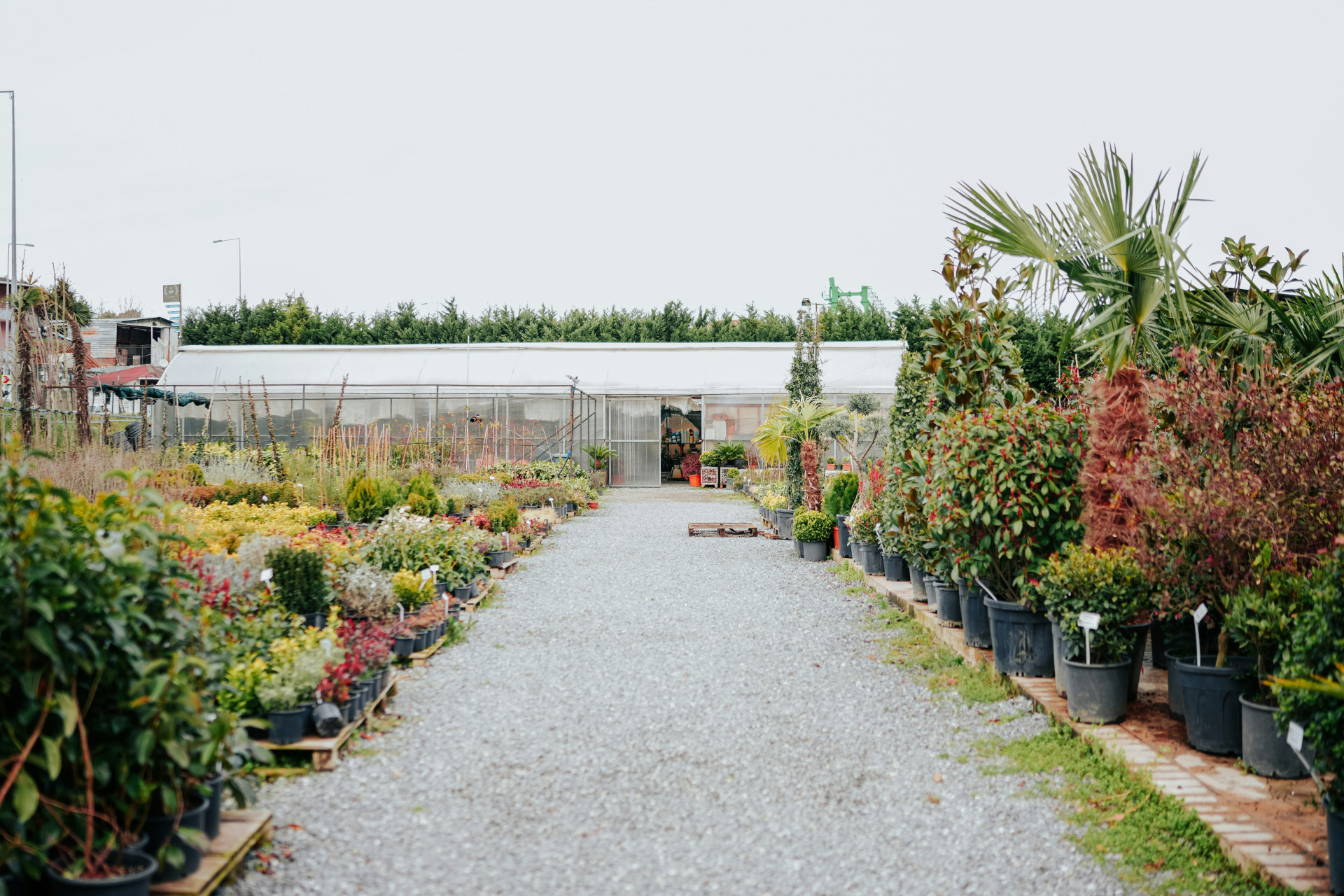
A garden that looks alive in every season takes planning – but the reward is worth it. With the right mix of plants in pots and beds, you can create a landscape that changes with the seasons yet never feels empty. It’s all about structure, color, and rhythm – and about making the most of perennials, bulbs, and seasonal flowers.
Start with Structure – The Green Framework
A year-round garden begins with plants that form the backbone. These are the ones that look good even when flowers fade. Think of evergreens, ornamental grasses, and small trees that provide shape and texture through winter.
- Boxwood, holly, and dwarf conifers give classic structure and can be trimmed to shape.
- Ornamental grasses like switchgrass, fountain grass, or little bluestem add movement and lightness.
- Small trees such as Japanese maple, redbud, or crabapple bring height and seasonal color in foliage and fruit.
These plants act as the backdrop for more changeable elements, ensuring your garden never looks bare.
Pots – Flexible Color Spots All Year
Containers are perfect for adding variety without reworking the whole garden. You can move them, swap them out, and refresh them with the seasons.
In spring, fill pots with bulbs like tulips, daffodils, and hyacinths. When summer arrives, switch to petunias, geraniums, or lavender. Fall can feature ornamental kale, mums, and small grasses, while winter comes alive with evergreens, pansies, and moss-covered surfaces.
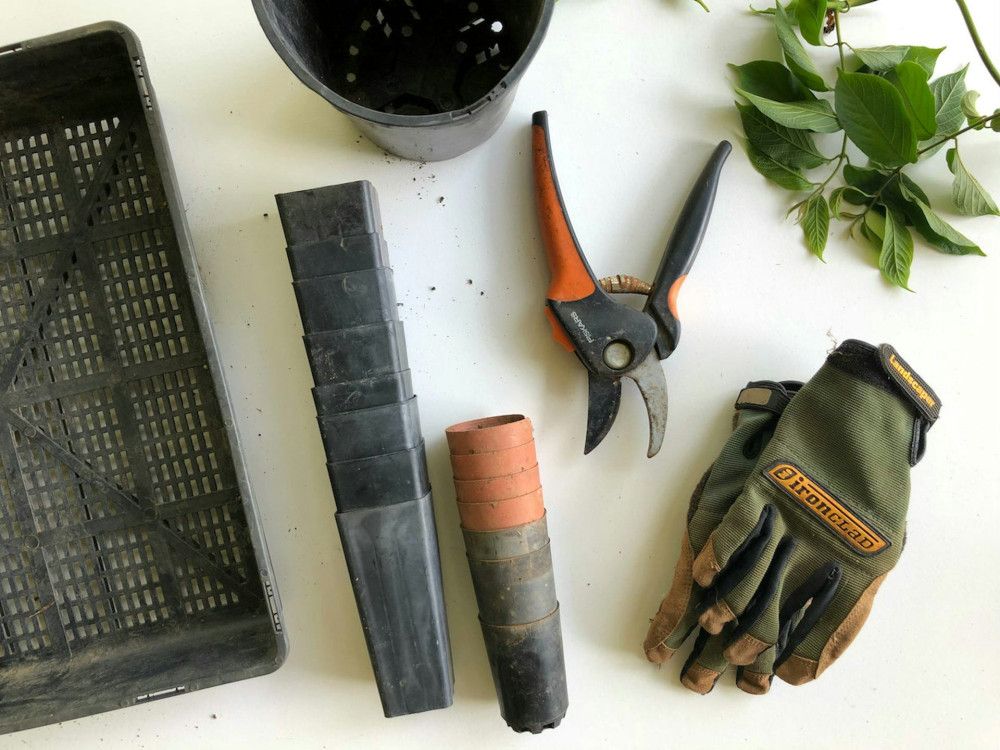
Use pots of different sizes and materials – terracotta, glazed ceramic, or lightweight resin – to create a lively look. Always ensure good drainage so roots don’t sit in water.
Think in Seasonal Layers
To keep your garden lush all year, plan in layers. Combine plants that peak at different times so there’s always something of interest.
- Spring: bulbs and early perennials like hellebores, lungwort, and bleeding heart.
- Summer: classics such as roses, coneflowers, salvias, and daylilies.
- Fall: asters, sedum, and ornamental grasses that turn golden or red.
- Winter: evergreens, berry-bearing shrubs, and plants with striking bark or seed heads.
When one group fades, another takes over – creating a natural rhythm that keeps your garden dynamic.
Color and Contrast
Color plays a huge role in how your garden feels. Many gardeners choose a consistent palette – for example, blues, purples, and whites – and add contrast through foliage and texture. Silvery leaves from lamb’s ear or dusty miller bring calm, while burgundy tones from coral bells or Japanese maple add warmth.
In pots, you can experiment more freely. Combine plants of different heights and leaf shapes – for instance, a tall grass, a mid-height flowering plant, and a trailing vine. This layering adds depth and balance.
Care and Rotation
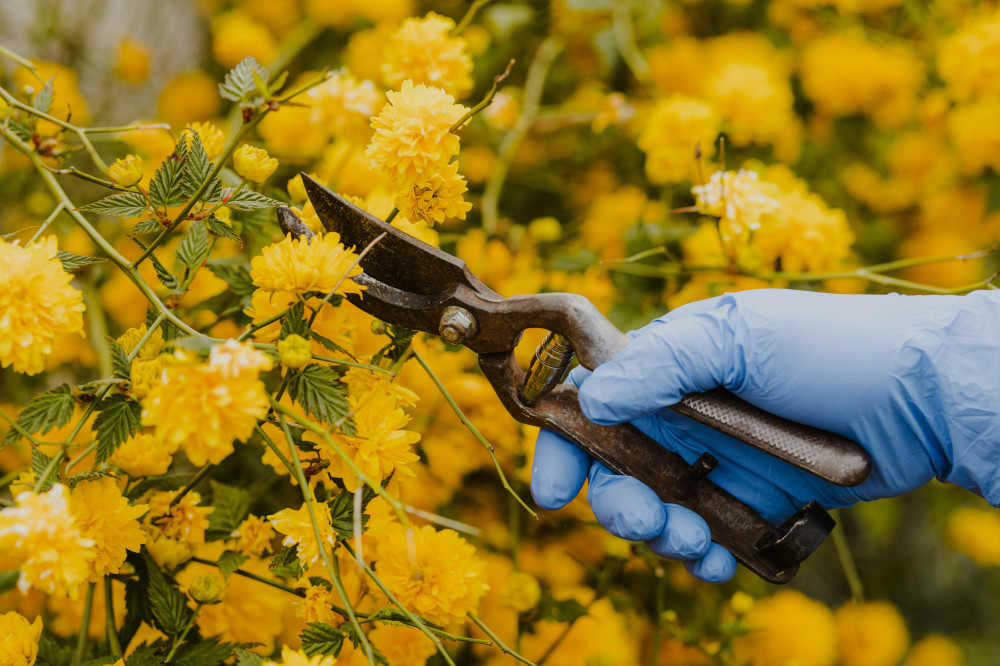
A year-round garden doesn’t necessarily mean more work – just steady attention. Remove spent blooms, prune lightly, and feed plants during the growing season. Containers need more frequent watering, especially in hot weather.
As the seasons change, rotate your plants: move out summer annuals and bring in fall or winter selections. This keeps your garden fresh without major overhauls.
Create Small Retreats
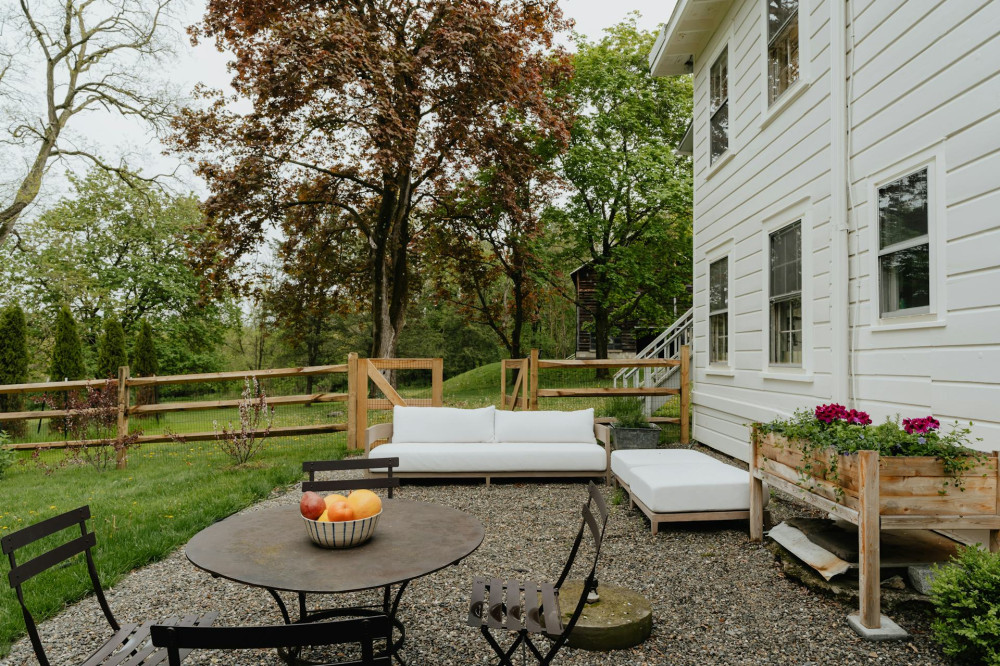
Think of your garden as a series of small rooms. A bench surrounded by fragrant lavender, a shady corner with ferns and hostas, or a cluster of pots by the front door can each create atmosphere. This way, your garden becomes not just something to look at, but a place to live in all year long.
Læs også:


A Living Garden in Constant Change
A year-round garden isn’t about perfection – it’s about life. Plants grow, fade, and return, and that cycle is what makes a garden interesting. By combining pots and beds, structure and season, you can create a landscape that follows the rhythm of the year and brings joy in every month.
Læs også: