Efficient Kitchen: Design That Makes Cooking Easier

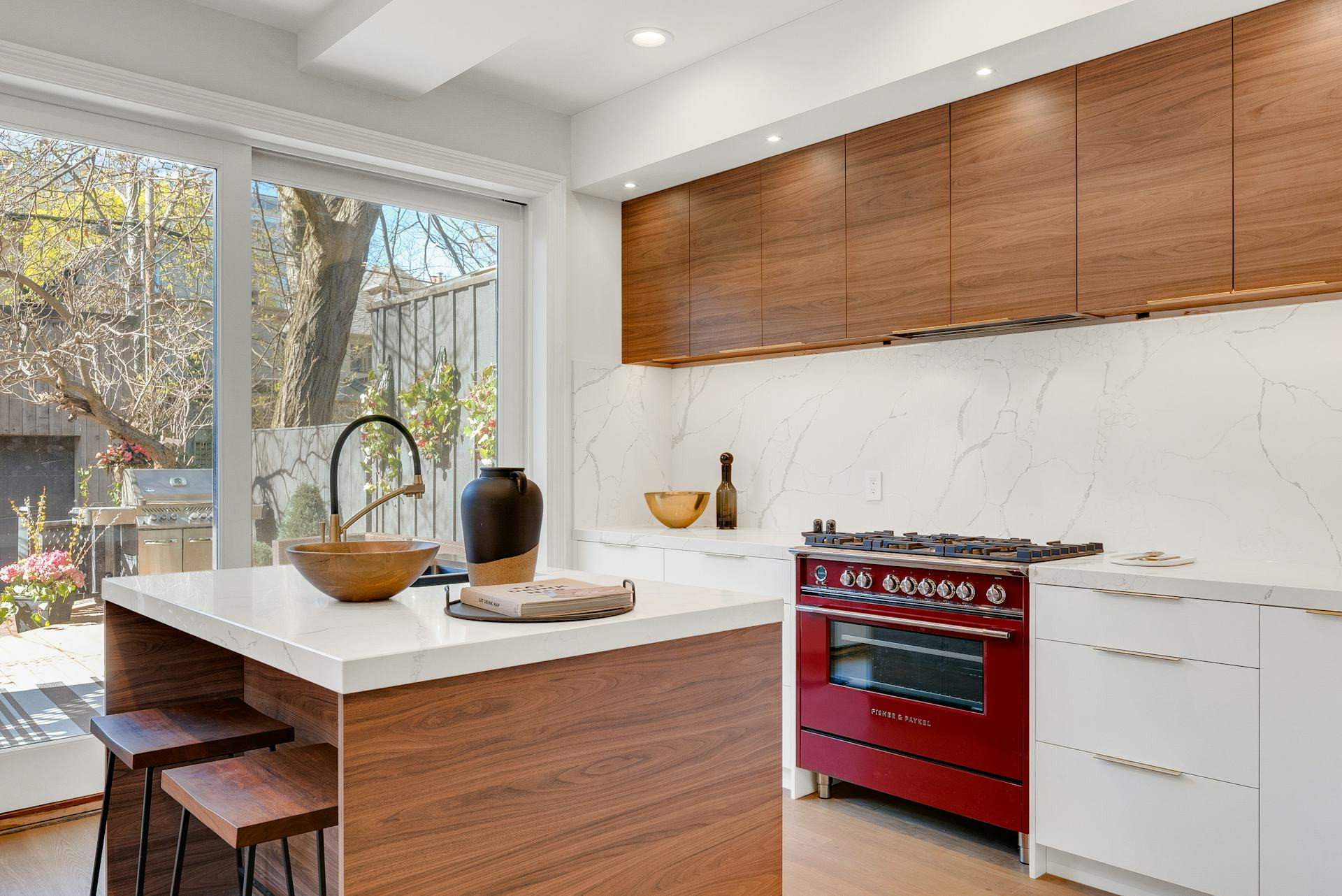
Transform your kitchen into a space where cooking feels effortless and enjoyable
Furnishing
Furnishing
5 min
Discover how smart design choices can make your kitchen more functional and pleasant to use. From efficient layouts and clever storage to proper lighting and easy cleaning, learn the key principles that turn everyday cooking into a smoother experience.
Mason Stewart
Mason
Stewart

Efficient Kitchen: Design That Makes Cooking Easier

Transform your kitchen into a space where cooking feels effortless and enjoyable
Furnishing
Furnishing
5 min
Discover how smart design choices can make your kitchen more functional and pleasant to use. From efficient layouts and clever storage to proper lighting and easy cleaning, learn the key principles that turn everyday cooking into a smoother experience.
Mason Stewart
Mason
Stewart

A well-designed kitchen isn’t just about stylish finishes or high-end appliances—it’s about how the space works. When everything has its place and movement between work areas feels natural, cooking becomes faster, smoother, and more enjoyable. Here’s how to design an efficient kitchen that makes everyday cooking easier.

Think in Work Zones

An efficient kitchen is organized around the tasks you do most often. Instead of focusing only on cabinets and drawers, think in work zones:

  • Prep zone – where you chop, slice, and mix. Keep knives, cutting boards, and mixing bowls within easy reach.
  • Cooking zone – around the stove and oven. Store pots, pans, utensils, and spices nearby.
  • Cleaning zone – around the sink and dishwasher. Have trash bins, cleaning supplies, and dish towels close at hand.
  • Storage zone – for pantry items, refrigerator, and freezer. Arrange food so you can quickly find what you need.

Designing by zones minimizes unnecessary steps and clutter—your kitchen starts working with you, not against you.

The Classic Kitchen Triangle

A time-tested principle of kitchen design is the kitchen triangle—the relationship between the sink, stove, and refrigerator. These three points form a triangle where the distances should be short but not cramped. This layout makes it easy to move between the most-used areas without crossing the entire room.

In smaller kitchens, the triangle can be compact; in larger ones, it can expand to include an island or extra counter space. The key is that movement feels natural and efficient.

Smart Storage for Better Organization

Efficiency depends on being able to find what you need quickly. Consider storage solutions that offer visibility and flexibility:

  • Full-extension drawers so you can see everything inside.
  • Dividers and trays to keep utensils and gadgets organized.
  • Tall pull-out shelves for pantry items.
  • Spice racks or magnetic strips to avoid rummaging through drawers.
  • An open shelf for everyday essentials like oils, salt, and cutting boards.

The less time you spend searching, the more time you have to cook and enjoy your meal.

Lighting and Counter Space Matter

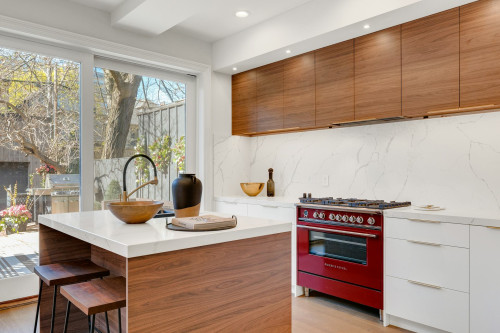
Good lighting is essential for both efficiency and safety. Combine task lighting under cabinets with ambient lighting for the whole room to avoid shadows on your work surfaces. LED lights are energy-efficient and provide bright, natural illumination.

Also, make sure you have enough counter space. Many kitchens lack a continuous work area for food prep. If space is tight, consider a pull-out counter, a fold-down surface, or a movable kitchen cart.

Make Cleaning Easy

An efficient kitchen is one that’s easy to keep clean. Choose materials that can handle daily use and wipe down easily—such as quartz, laminate, or stainless steel. Limit open shelving where dust and grease can accumulate.

Keep your trash and recycling close to your prep area so you can easily dispose of scraps and packaging while cooking. A foot-pedal trash can or built-in bin under the sink adds convenience.

Balance Function and Personality

While efficiency is key, your kitchen should still reflect your personality. Small touches—like plants, colorful tiles, or a shelf of cookbooks—can bring warmth and character without sacrificing function.

Ultimately, an efficient kitchen is about balance—between beauty and practicality, structure and individuality. When you find that balance, cooking becomes not just easier, but more enjoyable every day.

Textiles as Wall Decor – Create Atmosphere and Personality in Your Home
Add warmth, texture, and character to your walls with beautiful textile art
Furnishing
Furnishing
Interior Design
Wall Decor
Textiles
Home Styling
DIY Ideas
3 min
Discover how textiles can transform your walls into expressive design elements. From woven hangings to fabric panels, learn how to use texture and color to create atmosphere, personality, and a unique sense of home.
Zane Baker
Zane
Baker
Give Your Bedroom New Life with Spring Cleaning and Simple Rearranging
Refresh your space and your mood with easy updates for the new season
Furnishing
Furnishing
Bedroom
Spring Cleaning
Home Decor
Interior Design
Organization
4 min
Welcome spring by giving your bedroom a fresh start. With a deep clean, smart decluttering, and a few simple rearrangements, you can create a calm and inviting retreat without spending much. Discover how small changes can make a big difference in your everyday comfort.
Christopher Lee
Christopher
Lee
Efficient Kitchen: Design That Makes Cooking Easier
Transform your kitchen into a space where cooking feels effortless and enjoyable
Furnishing
Furnishing
Kitchen Design
Home Improvement
Interior Design
Cooking Tips
Organization
5 min
Discover how smart design choices can make your kitchen more functional and pleasant to use. From efficient layouts and clever storage to proper lighting and easy cleaning, learn the key principles that turn everyday cooking into a smoother experience.
Mason Stewart
Mason
Stewart
Materials and Textures: How They Shape Today’s Home Design Trends
Discover how materials and textures define the look and feel of modern interiors
Furnishing
Furnishing
Interior Design
Home Decor
Materials
Texture
Trends
3 min
Explore how today’s home design trends are shaped by the tactile beauty of materials and textures. From natural elements to sustainable choices, learn how surfaces, finishes, and sensory details create spaces that feel both stylish and deeply personal.
Daisy Adams
Daisy
Adams
Harmony in the Living Room – Make Furniture, Walls, and Floors Work Together
Create a balanced and inviting living room where every element works in harmony
Furnishing
Furnishing
Living Room
Interior Design
Home Decor
Furniture
Style
5 min
Discover how to make your living room feel cohesive and comfortable by coordinating furniture, wall colors, and flooring. Learn simple design principles that bring warmth, balance, and personality to the heart of your home.
Chase Freeman
Chase
Freeman
Learn to Read Origami Diagrams: Understand the Symbols and Fold Like a Pro
Master the language of origami diagrams and bring paper creations to life
Hobby
Hobby
Origami
Paper Art
Crafting
DIY
Creative Skills
6 min
Discover how to read and understand origami symbols step by step. This guide will help you decode diagrams, perfect your folds, and transform simple sheets of paper into stunning works of art.
Zane Baker
Zane
Baker
Pack Your Backpack Right for the Outdoors – Light Weight, Big Function
Master the art of packing light without sacrificing comfort or essentials
Hobby
Hobby
Backpacking
Outdoor Adventure
Hiking Tips
Travel Gear
Lightweight Packing
3 min
Discover how to pack your backpack efficiently for any outdoor adventure. Learn the secrets to balancing weight, comfort, and function so you can move freely and enjoy every step of your journey.
Christopher Lee
Christopher
Lee
Prevent Gymnastics Injuries with Effective Warm-Up and Stretching
Protect your body and boost performance with the right warm-up and stretching routine
Hobby
Hobby
Gymnastics
Injury Prevention
Warm-Up
Stretching
Training Tips
5 min
Learn how to reduce the risk of gymnastics injuries through effective warm-up and stretching techniques. Discover the best ways to prepare your muscles, improve flexibility, and enhance your overall performance in training and competition.
Mason Stewart
Mason
Stewart