Harmony in the Living Room – Make Furniture, Walls, and Floors Work Together

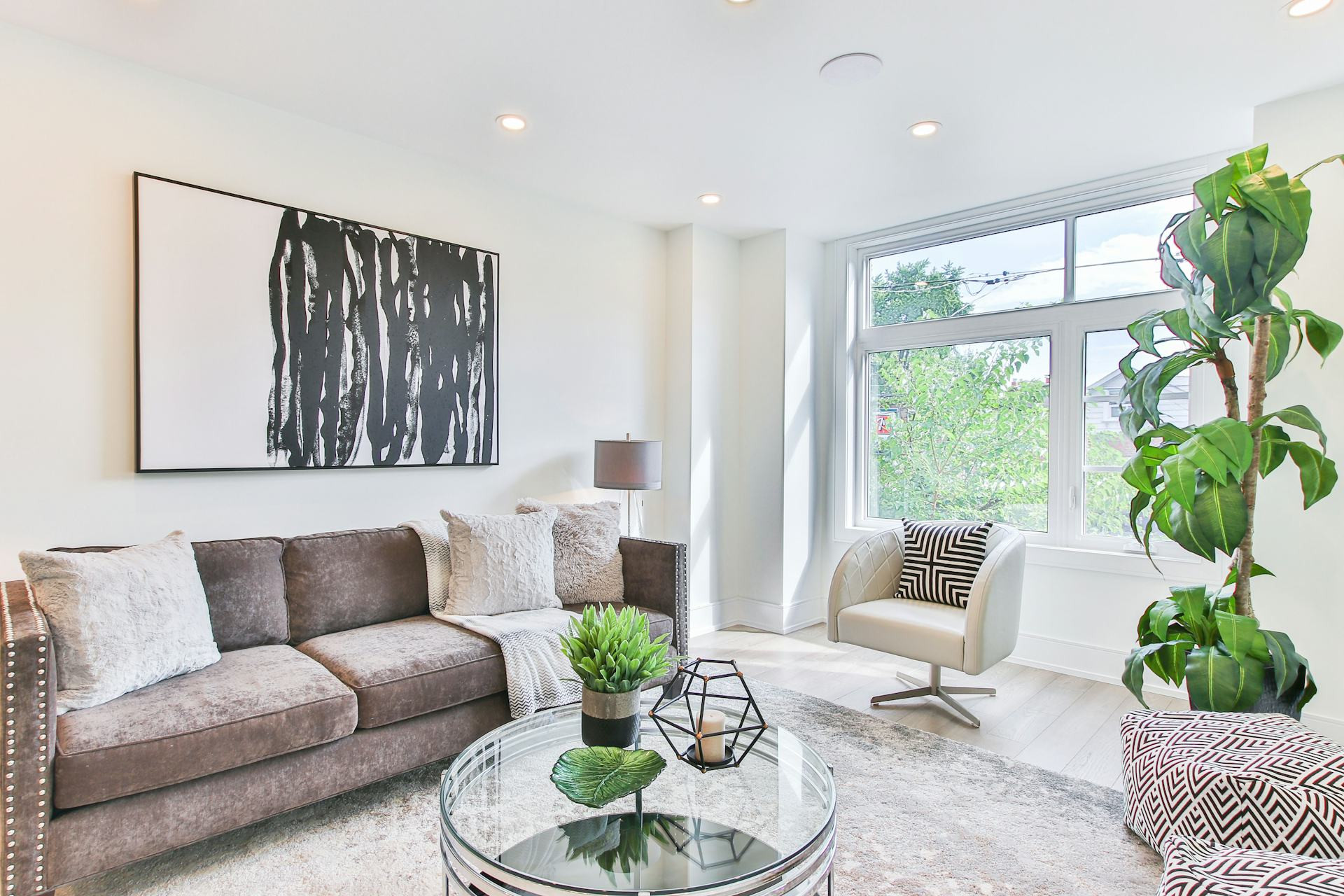
Harmony in the Living Room – Make Furniture, Walls, and Floors Work Together
A living room is more than just a place to sit and watch TV. It’s the heart of the home – where we unwind, gather with family and friends, and express our personal style. To make it feel balanced and inviting, furniture, walls, and floors need to work together in harmony. Here’s how to create a cohesive space that feels both comfortable and beautifully put together.
Begin with the Big Picture
When decorating, it’s easy to fall in love with a single piece – a sofa, a rug, or a paint color – and build everything else around it. But often, the most harmonious rooms start with a vision of the whole. Think about the atmosphere you want to create: bright and airy, warm and cozy, or sleek and modern?
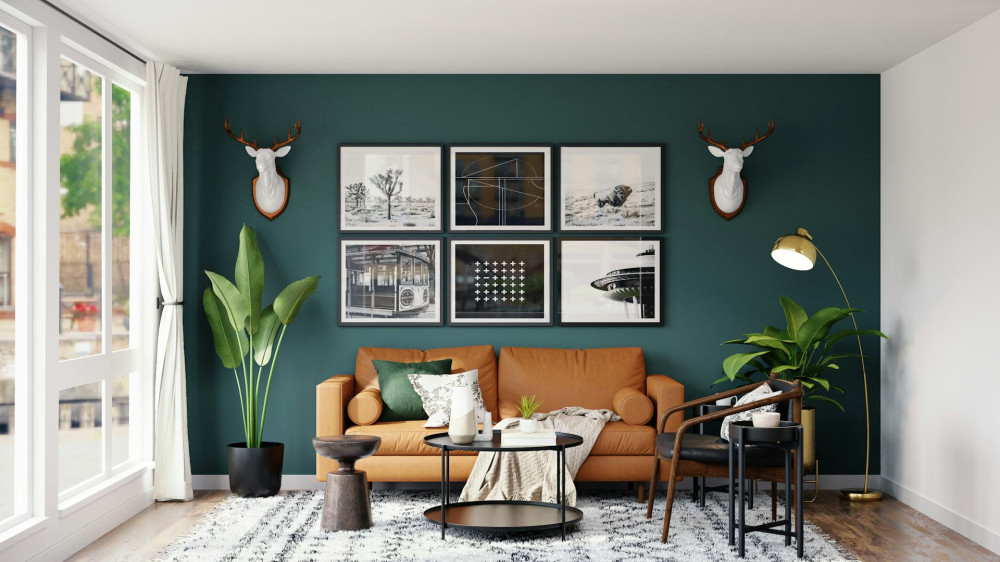
Once you have a clear direction, it becomes easier to choose materials, colors, and furniture that complement one another. A good rule of thumb is to stick to two or three main colors and add accents through textiles, artwork, or plants.
The Floor – The Foundation of the Room
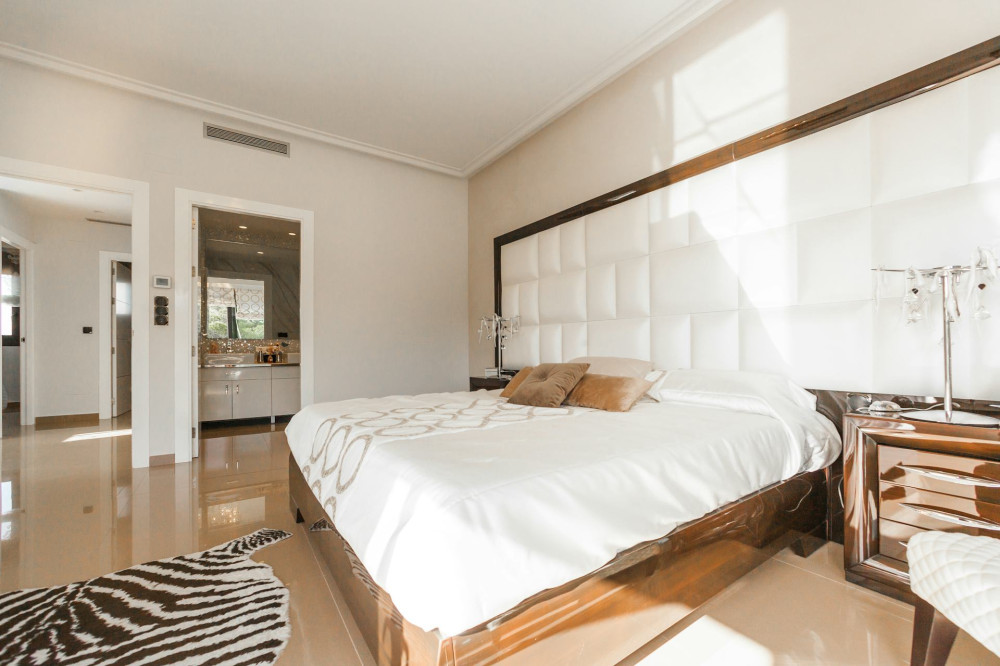
The floor sets the tone for the entire space. Light hardwood floors, such as oak or maple, create an open and fresh look, while darker woods like walnut or espresso add depth and sophistication. If your flooring has a strong character – for example, a patterned tile or richly grained wood – keep walls and furniture more subdued so the floor can shine.
Area rugs help define zones and bring furniture together. A large rug under the sofa and coffee table anchors the seating area, while a smaller one can highlight a reading nook. Choose colors and textures that complement the floor’s tone – not necessarily matching, but in the same warm or cool family.
The Walls – The Backdrop of Your Style
Walls act as the canvas that ties the room together. Their color and finish have a huge impact on how the space feels. Light walls reflect more light and make a room feel larger, while darker shades create intimacy and calm.
When choosing paint, consider how it interacts with your flooring. Warm-toned wood floors pair beautifully with soft neutrals like beige, taupe, or sage, while cooler gray floors look great with blues, whites, or charcoal tones.
The finish matters too: matte paint gives a soft, elegant look, while satin or semi-gloss reflects more light and adds a modern touch. Use artwork, mirrors, and shelves to add rhythm and personality, but leave some breathing room on the walls – negative space helps the room feel balanced.
The Furniture – Balancing Function and Form
Furniture brings the room to life, but it should fit both the proportions and the mood of the space. Oversized pieces can overwhelm a small room, while too-small furniture can get lost in a large one. Make sure there’s enough space to move comfortably around each piece.
When selecting furniture, think about materials that harmonize with your floors and walls. A linen or cotton sofa pairs well with matte walls and natural wood, while leather and metal accents lend a more contemporary edge.
Textiles – throw pillows, blankets, and curtains – are your best tools for tying colors together. Repeat subtle tones from your wall color or flooring in your fabrics to create a sense of flow.
Lighting and Atmosphere – The Finishing Touch
Even the most thoughtfully designed room can fall flat without the right lighting. Layer your light sources: overhead fixtures for general illumination, floor lamps for warmth, and table lamps for ambiance. Choose fixtures that suit your style but also provide the type of light you need.
Warm light (around 2700K) creates a cozy, inviting feel, while cooler light (3000–4000K) gives a crisp, modern vibe. Dimmable bulbs are a great investment – they let you adjust the mood from bright and lively to soft and relaxing.
Læs også:
Bring It All Together with Details
Small details make a big difference. Repeat materials and colors throughout the room – for example, echo the wood tone of your coffee table in a picture frame or pick up a color from your rug in a vase or throw pillow. This repetition creates visual unity and makes the space feel intentional.
Plants are another powerful way to add life and balance. They introduce color, texture, and freshness – and naturally connect the elements of furniture, walls, and floors.
A Living Room That Feels Like You
Creating harmony in your living room isn’t about following a strict design formula. It’s about finding the balance that feels right for you. When colors, materials, and furniture work together, the space feels calm, cohesive, and uniquely yours.
Start by looking at what you already have and build from there. Sometimes, just a few thoughtful adjustments can make your living room feel completely renewed.
Læs også: