Materials and Textures: How They Shape Today’s Home Design Trends

Materials and Textures: How They Shape Today’s Home Design Trends
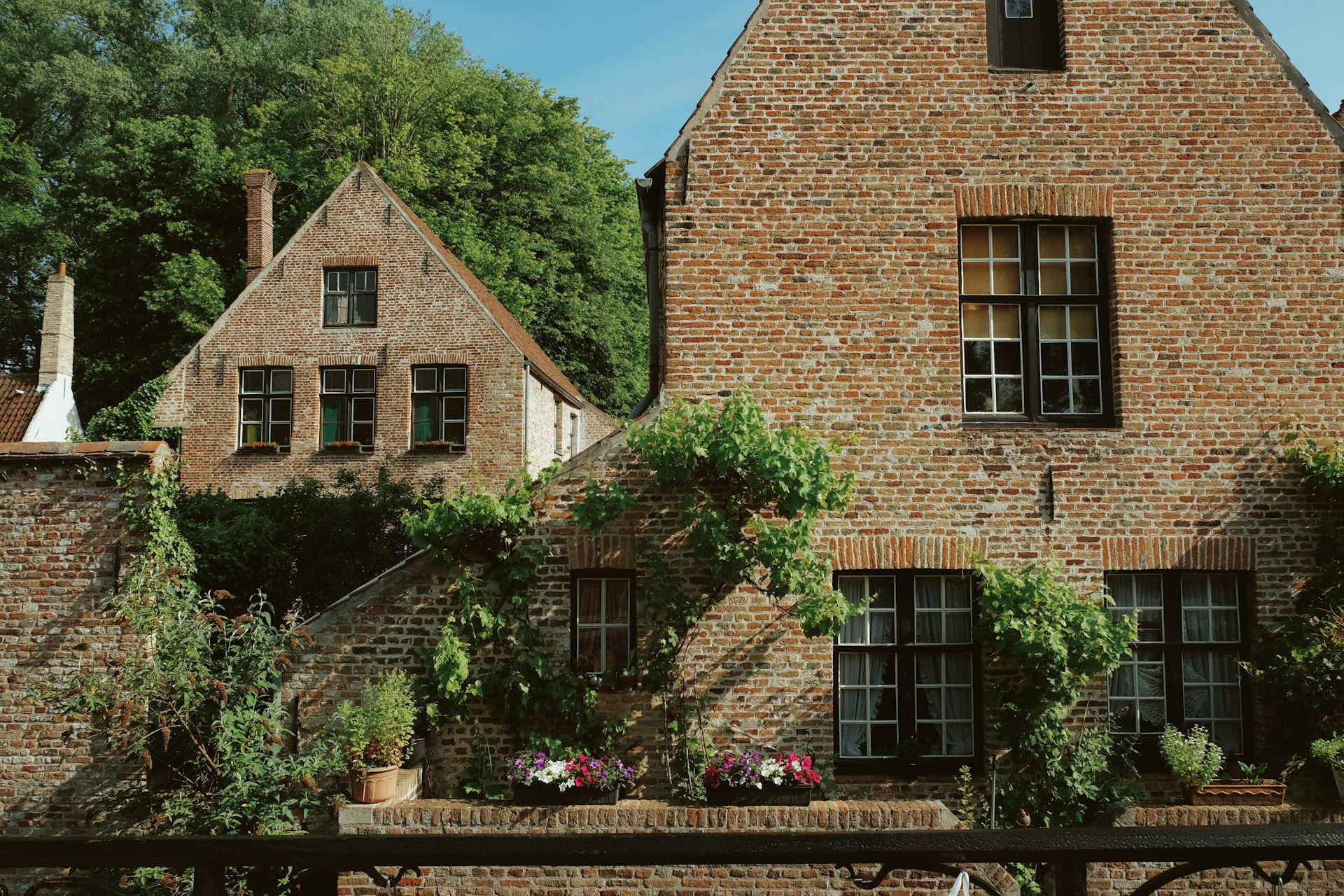
Home design today is less about following fleeting color palettes or furniture fads and more about creating spaces that feel authentic, tactile, and emotionally grounded. Materials and textures have become the new language of interior design—a language that speaks to both the eye and the hand. From raw wood and natural stone to soft fabrics and matte finishes, the goal is to craft homes that feel alive, personal, and connected to the senses.
Nature as Inspiration
One of the strongest design movements in the U.S. right now is the desire to bring nature indoors. This is reflected in the growing popularity of materials like oak, linen, wool, clay, and rattan—elements that age gracefully and tell a story over time.
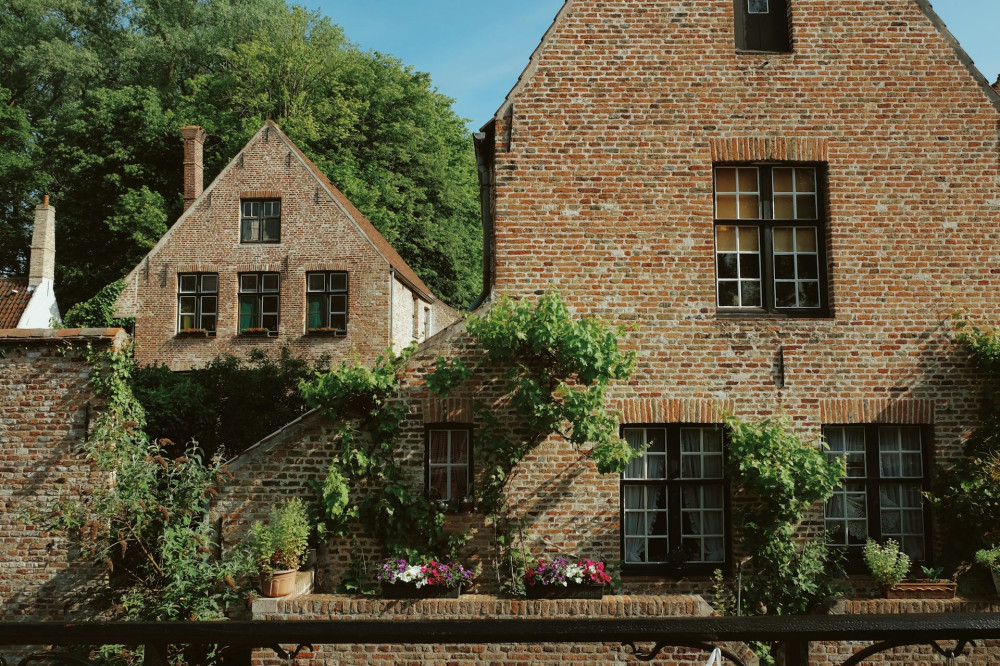
Wood is no longer limited to floors and furniture; it’s being used for wall paneling, ceilings, and decorative accents. Stone, terrazzo, and concrete are appearing in kitchens and bathrooms, adding a sense of permanence and authenticity. Indoor plants, natural light, and earthy tones extend this connection to the outdoors, creating a calm, restorative atmosphere.
This trend isn’t just about aesthetics—it’s about well-being. Natural materials have a grounding effect, offering a sense of balance in a world dominated by screens and synthetic surfaces.
Læs også:
Contrast and Touch
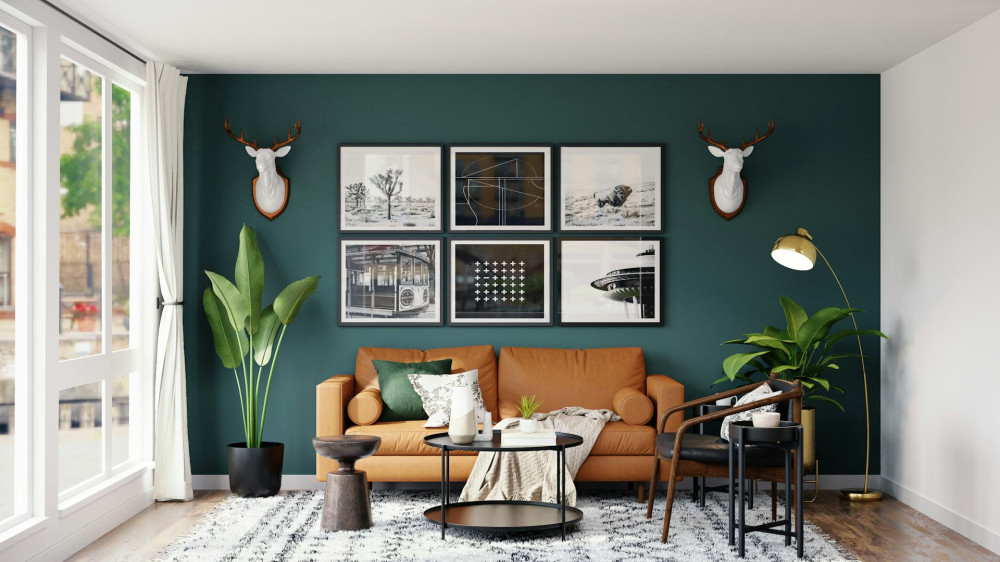
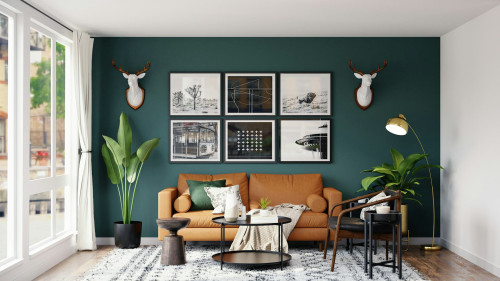
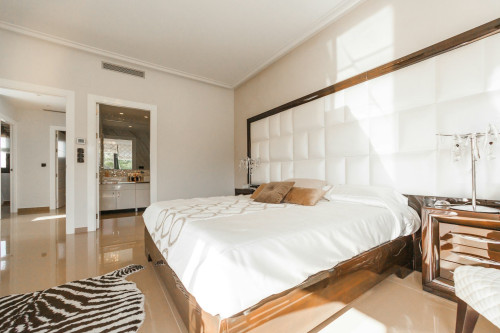
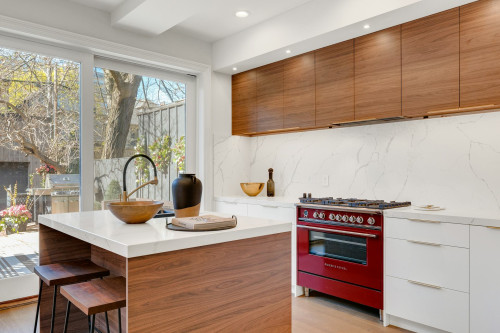
Where past design eras often favored sleek uniformity, today’s interiors celebrate contrast. A rough plaster wall beside a plush velvet sofa, a cool marble countertop paired with warm wood cabinetry—these juxtapositions give a home depth and character.
Texture plays a central role in this shift. Bouclé, wool, and velvet add warmth and softness, while metal, glass, and stone introduce structure and edge. Many homeowners are intentionally mixing materials that don’t traditionally “match” to create a more personal, layered look.
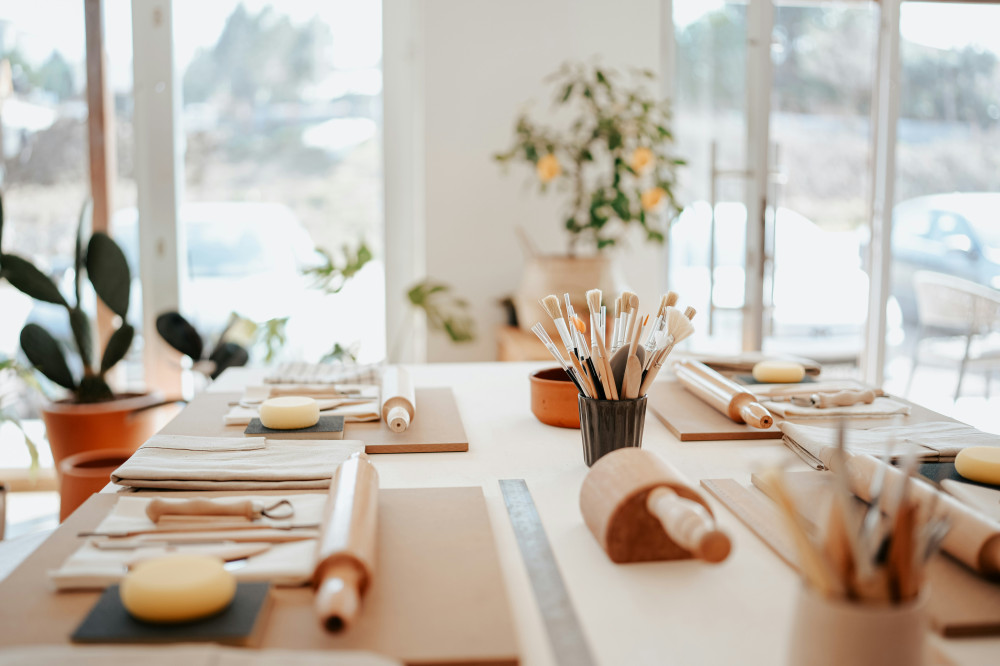
The tactile experience—how something feels when you touch it—has become just as important as how it looks. A room should not only be visually appealing but also feel right under your fingertips.
Sustainability and Conscious Choices
Alongside the renewed interest in materials comes a growing awareness of sustainability. American consumers are increasingly asking where materials come from and how they’re made.
Reclaimed wood, recycled metals, and natural fibers free from harsh chemicals are in high demand. Many people are also choosing to restore vintage furniture rather than buy new, both to reduce waste and to preserve the unique patina that only time can create.
This mindset is reshaping how we think about design. It’s no longer about chasing fast trends but about building homes that endure—both aesthetically and ethically.
The Interplay of Color, Light, and Surface
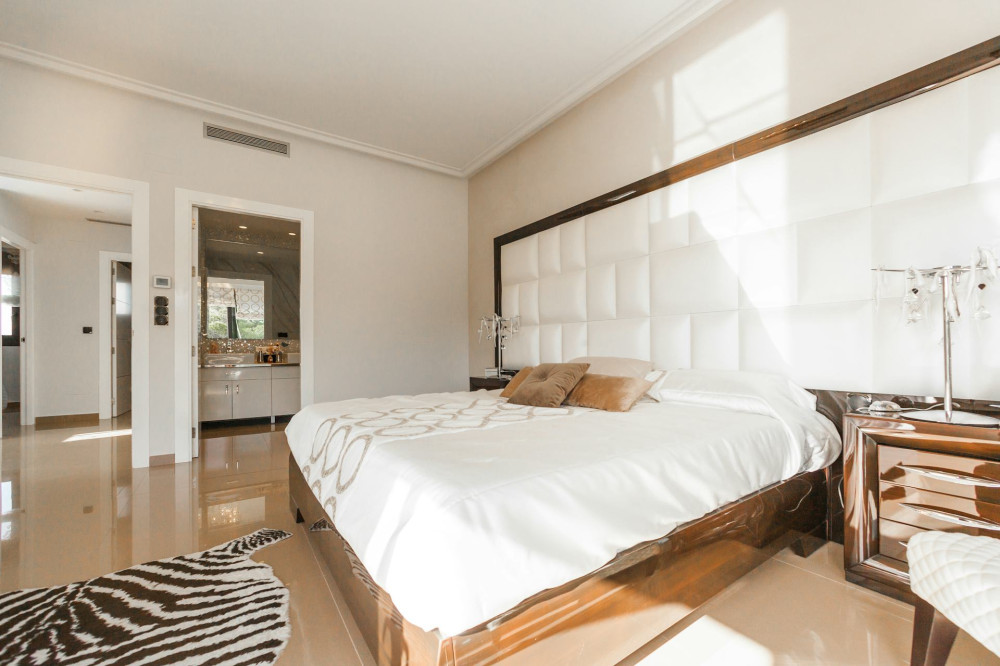
Materials and textures come to life when they interact with light and color. Matte finishes diffuse light softly, creating a sense of calm, while glossy surfaces reflect it, adding energy and brightness.
Current color trends lean toward the organic: warm neutrals, sand, terracotta, and muted greens. These tones provide a serene backdrop that allows the texture of materials to stand out. A well-balanced space often features one dominant material—like light oak floors or linen drapes—complemented by contrasting accents in darker metal or raw stone.
The Home as a Sensory Haven
After years of minimalism and stark white interiors, many Americans are gravitating toward spaces that feel more sensory and personal. The home is no longer a showroom—it’s a sanctuary, a place to slow down and reconnect.
Materials and textures are the key to creating that feeling. They tell a story about who we are and what we value—whether it’s craftsmanship, nature, or modern simplicity. When we choose with our hands as well as our eyes, our homes become more than just places to live—they become places to truly be.
Læs også: