From Monte Carlo to Las Vegas: The Cities That Shaped Modern Gambling Culture

From Monte Carlo to Las Vegas: The Cities That Shaped Modern Gambling Culture
From the gilded salons of European aristocracy to the neon glow of the Nevada desert, the story of modern gambling culture is also the story of two cities that defined how the world experiences risk, glamour, and entertainment. Monte Carlo and Las Vegas are more than destinations—they are symbols of two eras and two visions of what it means to play, to dream, and to win.
Monte Carlo – The Playground of the Elite
In the mid-19th century, the tiny principality of Monaco was on the brink of financial collapse. Princess Caroline of Monaco proposed a bold solution: a casino that would attract Europe’s wealthy elite. When Casino de Monte-Carlo opened in 1863, it quickly became a magnet for nobility, artists, and adventurers. Gambling here was not just about money—it was about status, sophistication, and belonging.
Monte Carlo embodied refinement. Its marble halls, chandeliers, and strict dress codes turned gaming into a social ritual. The roulette wheel was the centerpiece, but the true allure lay in the atmosphere—the music, the champagne, the sense of exclusivity.
Writers and filmmakers soon turned Monte Carlo into a cultural icon. From early European novels to Hollywood spy thrillers, the city became shorthand for elegance and intrigue. Here, gambling was aestheticized—an art form of control, charm, and calculated risk.
Las Vegas – The Capital of Dreams and Excess
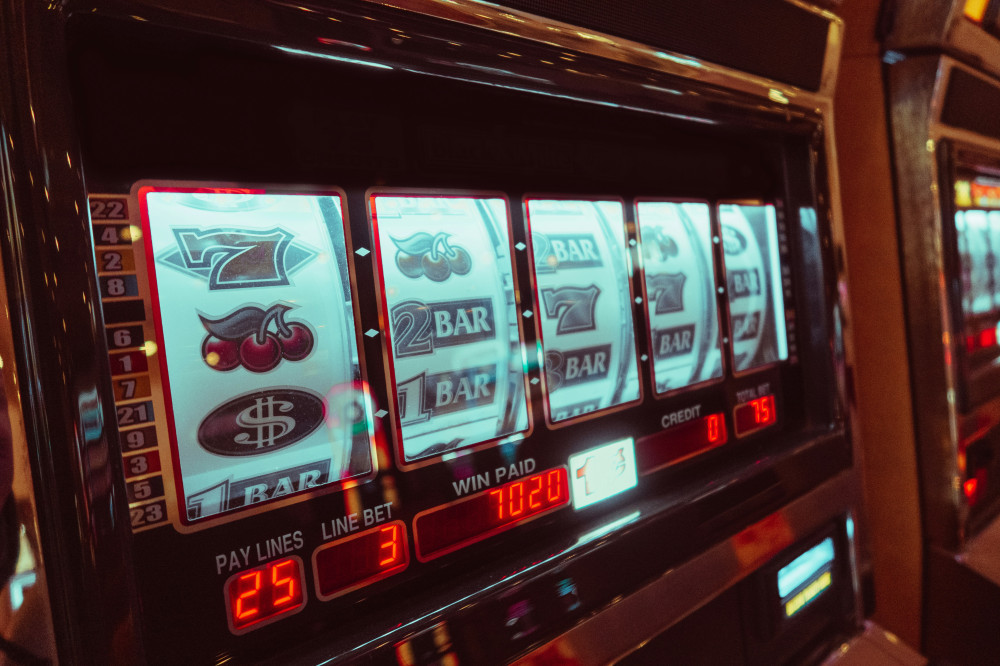
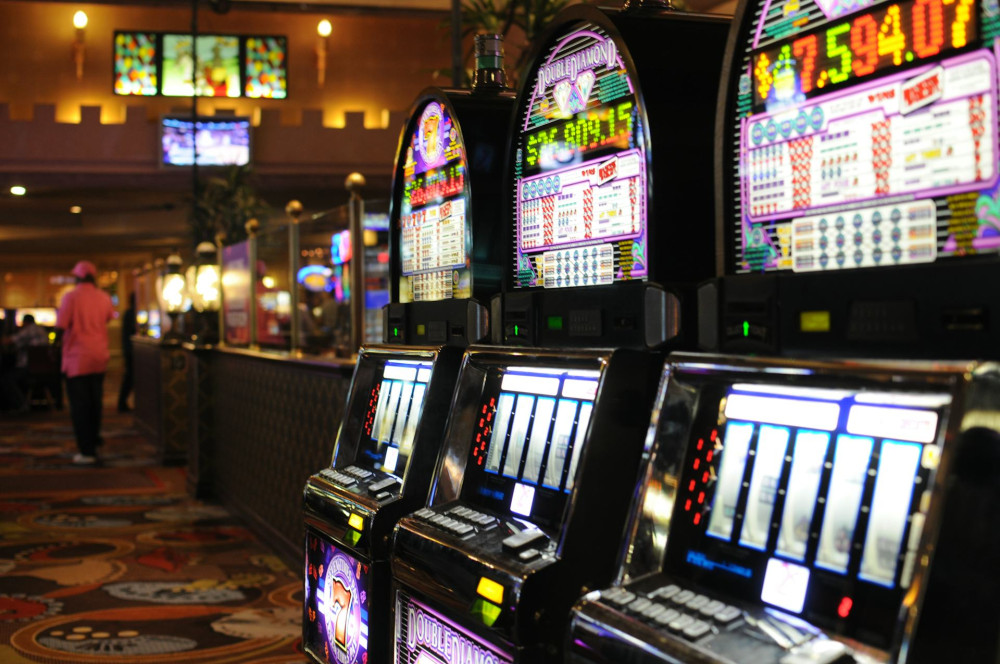
If Monte Carlo was the playground of the aristocracy, Las Vegas became the playground of the people. When Nevada legalized gambling in 1931, a dusty desert town began its transformation into the entertainment capital of the world. What started as a stopover for workers and soldiers evolved into a dazzling metropolis of lights, music, and endless possibility.
Postwar Las Vegas captured the spirit of American optimism. Casinos like the Flamingo, Sands, and later Caesars Palace and Bellagio were more than gaming halls—they were temples of experience. Visitors came not only to gamble but to dine, dance, and see the biggest stars perform. In Vegas, anyone could feel like a high roller, if only for a night.
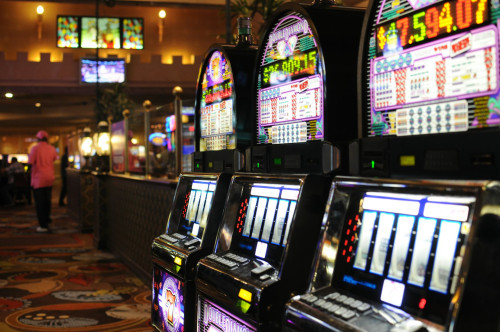
Technology and marketing fueled the city’s rise. Neon signs, themed resorts, and 24-hour service created a world that never slept. Where Monte Carlo celebrated exclusivity, Las Vegas celebrated accessibility. It was democracy through entertainment—open to anyone with a dollar and a dream.
Two Traditions, One Global Culture
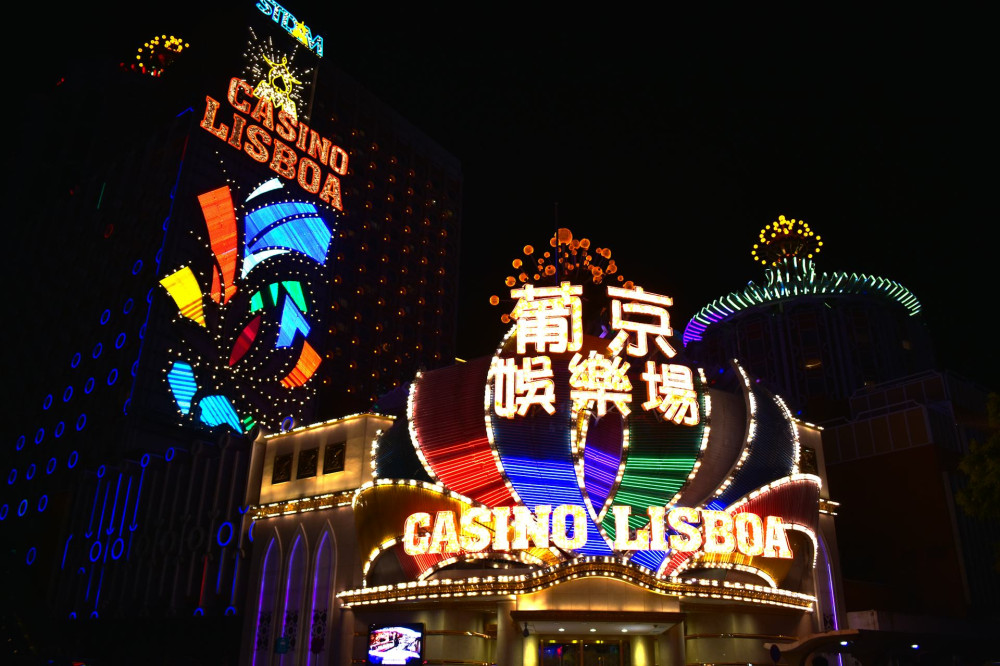
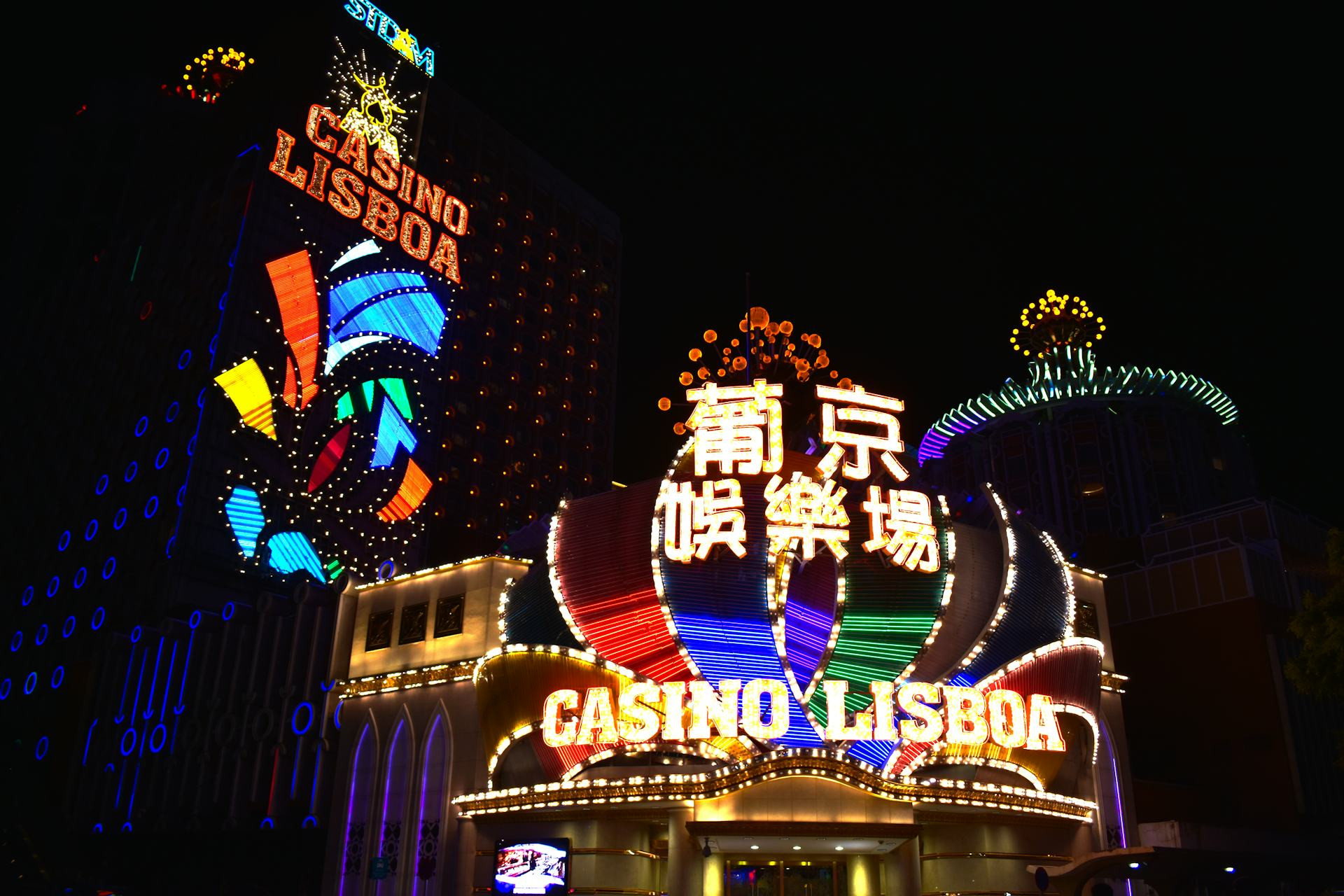
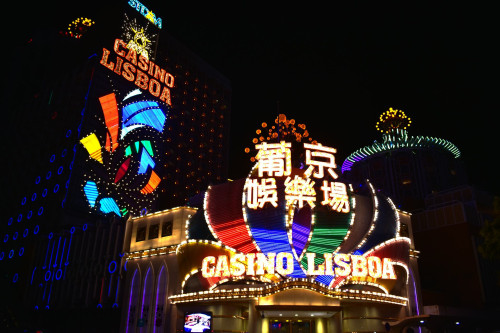
Monte Carlo and Las Vegas represent two sides of the same coin. Together, they laid the foundation for the global gambling culture we know today. From Macau to Singapore, modern casinos blend the elegance of Monte Carlo with the spectacle of Las Vegas.
Monte Carlo’s legacy lives on in the aesthetics—the tuxedos, the chandeliers, the sense of refinement. Las Vegas’ influence is felt in the experience economy—the idea that gambling is as much about entertainment and emotion as it is about winning. Together, they turned gaming into a cultural phenomenon that transcends geography and class.
Læs også:
From Roulette Wheels to Digital Screens
Today, the evolution continues online. Virtual casinos and live-streamed games bring both Monte Carlo’s sophistication and Las Vegas’ energy into people’s homes. Players can spin digital roulette wheels or join immersive, interactive experiences that mimic the atmosphere of the world’s great casinos.
Yet the fascination remains the same as it was 150 years ago: the thrill of uncertainty, the illusion of control, and the timeless dream of striking it rich.
A Culture Still in Motion
Monte Carlo and Las Vegas stand as two poles in the history of gambling—one rooted in tradition and style, the other in innovation and spectacle. Together, they tell the story of how gaming became part of modern life: a space where risk meets imagination, and entertainment becomes identity.
Whether you prefer champagne on the Riviera or cocktails on the Strip, one thing is clear—the culture of gambling continues to evolve, and its roots still trace back to the two cities that started it all.
Læs også: