When the Casino Becomes Culture: The Role of Gambling in Film, Literature, and Pop Culture

When the Casino Becomes Culture: The Role of Gambling in Film, Literature, and Pop Culture
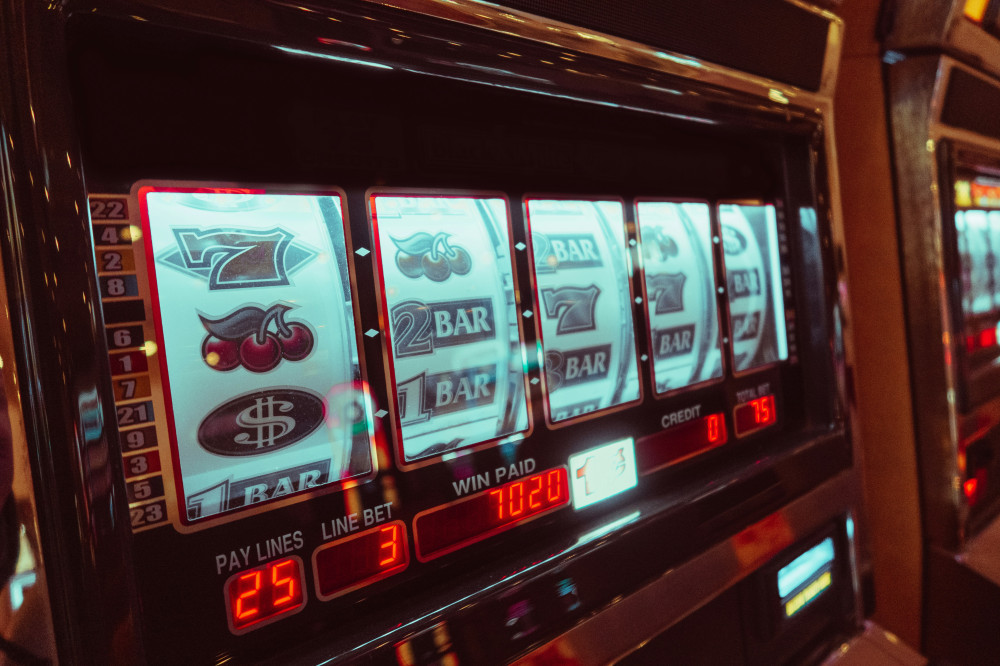
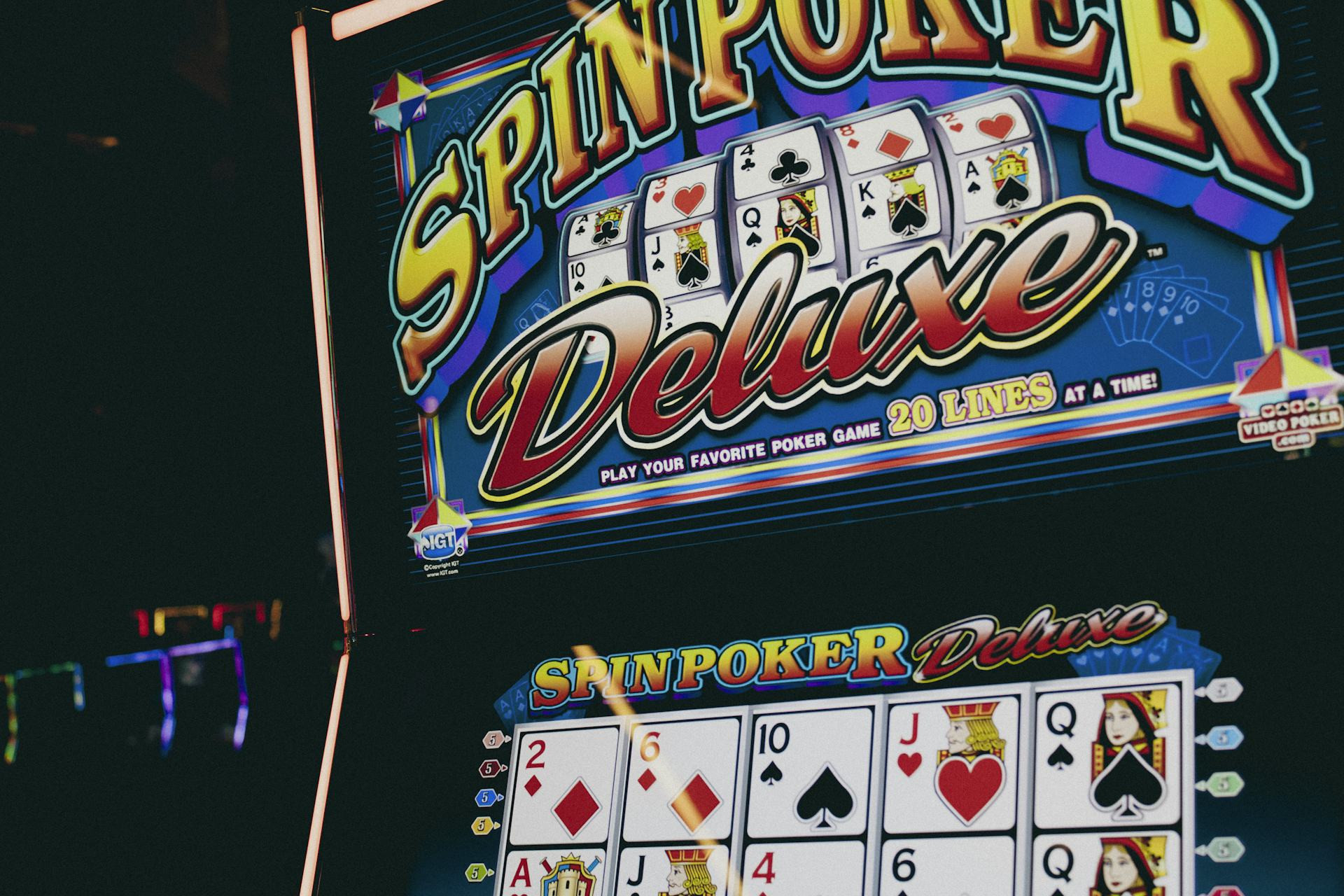
The casino has always been more than a place to win or lose money. It’s a stage where human ambition, risk, and desire collide—a microcosm of hope and downfall. That’s why gambling has long held a central place in American film, literature, and pop culture. The casino is not just a backdrop for chance; it’s a mirror reflecting our fascination with luck, control, and the dream of beating the odds.
The Casino as a Stage for Drama and Character
Few settings capture tension and transformation like a casino. In Hollywood, the casino is a perfect arena for stories about power, deception, and redemption. It’s a place where fortunes shift in seconds and where a single decision can define a character’s fate. The confident high roller who bets everything becomes a symbol of courage—or recklessness—while the cautious player embodies restraint and fear.
From the smoky glamour of Casino and Ocean’s Eleven to the gritty realism of Uncut Gems, American cinema has used gambling to explore both the thrill of risk and the cost of obsession. The casino is a space where people reinvent themselves, where the line between luck and skill blurs, and where the American dream—of winning big and starting over—plays out in its most distilled form.
Gambling in Literature: Chance as Metaphor
In literature, gambling often serves as a metaphor for life’s unpredictability. Writers have long been drawn to the casino as a setting where human nature is laid bare. In American fiction, from the moral struggles of characters in the Jazz Age to the existential gamblers of modern novels, the act of betting becomes a way to explore fate, freedom, and self-destruction.
The casino’s democratic chaos—where a factory worker can sit beside a billionaire, and everyone is equal before the cards—makes it a powerful literary symbol. It represents both opportunity and danger, a place where the illusion of control meets the reality of chance. In this way, gambling becomes a lens through which authors examine ambition, addiction, and the fragile balance between hope and despair.
Læs også:

The Glittering Surface of Pop Culture
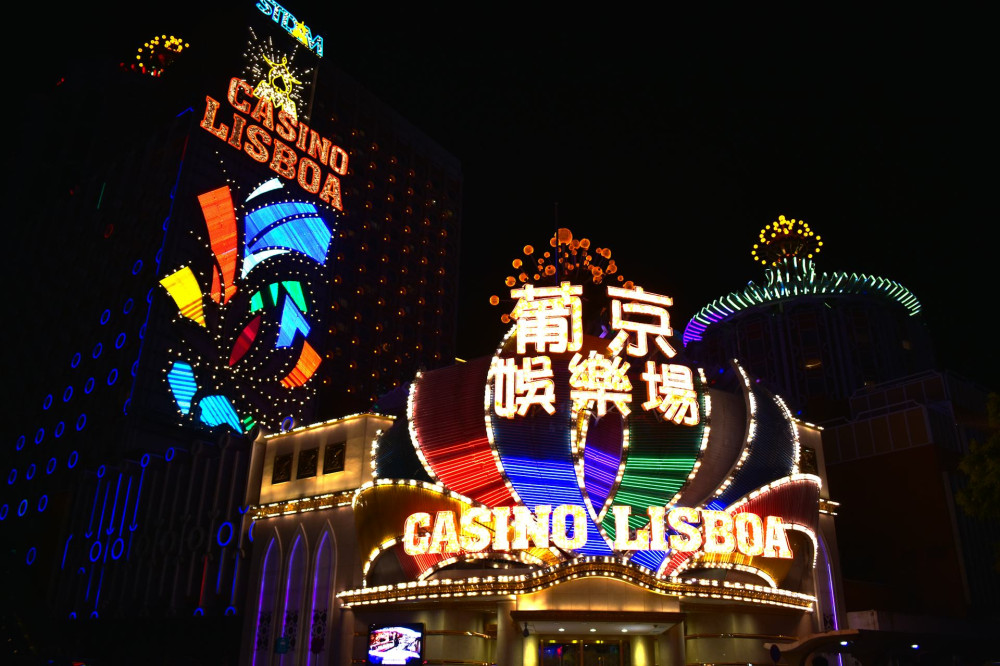
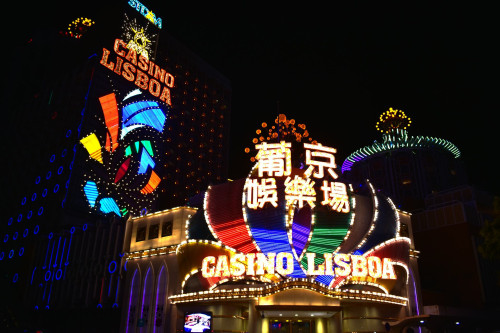
In American pop culture, the casino has become an icon of glamour and risk. Music videos, fashion campaigns, and television shows borrow its imagery—the neon lights, the roulette wheels, the tuxedos and sequined dresses—to evoke excitement and luxury. The casino aesthetic promises not just wealth, but intensity: the feeling of being alive in the moment when everything is on the line.
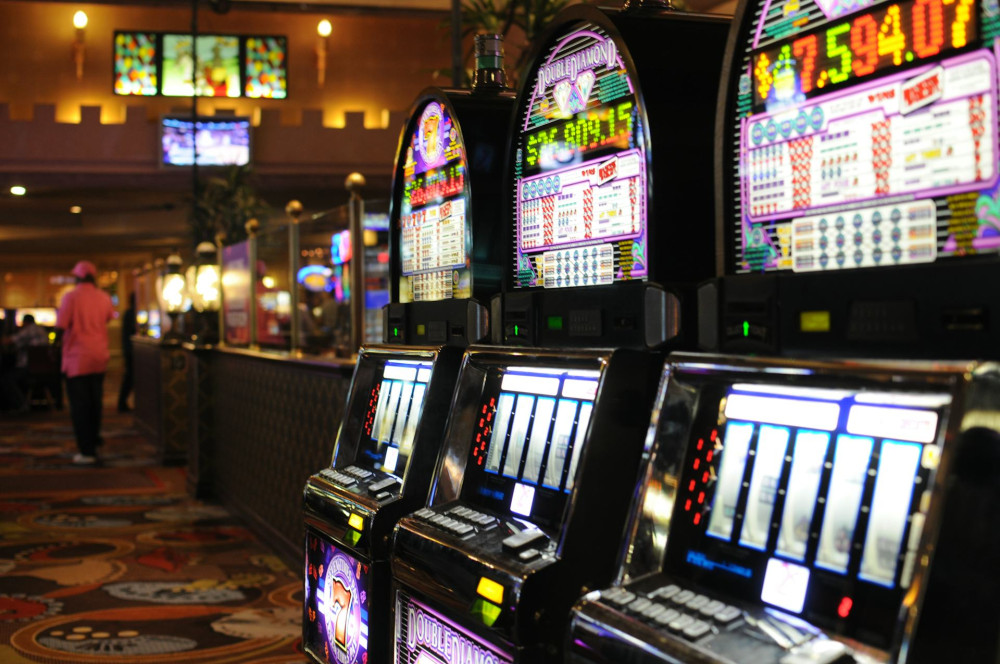
The rise of online gambling and mobile apps has brought this imagery into everyday life. The casino is no longer confined to Las Vegas or Atlantic City; it’s on our screens, woven into the digital fabric of entertainment. Yet the fascination remains the same. Whether physical or virtual, the casino continues to symbolize the thrill of possibility and the danger of excess.
Gambling as a Reflection of Society
The cultural presence of gambling also mirrors America’s relationship with risk and reward. In a society that celebrates entrepreneurship, speculation, and the pursuit of success, the casino becomes a metaphor for the broader economy of chance. From Wall Street to cryptocurrency, the logic of the gamble—risking something for the promise of more—permeates modern life.
That’s why gambling stories often carry a moral undertone. They test characters’ values and reveal their true selves under pressure. Winning and losing become moral as well as financial outcomes, reflecting our collective fascination with control, luck, and destiny.
When the Game Becomes the Story
Ultimately, the casino is not just a setting—it’s a story in itself. Every spin of the wheel, every roll of the dice, every hand of cards contains a miniature drama of hope, fear, and consequence. Perhaps that’s why we keep returning to it in art and entertainment: because gambling captures something essential about the human condition.
When the casino becomes culture, it’s no longer just about money. It’s about who we are when faced with uncertainty—our longing to take risks, to test fate, and to believe, if only for a moment, that we can beat the odds.
Læs også: