The Psychology of Gaming: Why It Can Be Hard to Stop Playing

The Psychology of Gaming: Why It Can Be Hard to Stop Playing
Why do some people keep playing even when they’re losing? And why can it feel almost impossible to stop, even after deciding to take a break? Whether it’s casino games, online betting, or mobile apps, gaming taps into some of the brain’s most powerful reward systems. To understand why it can be so hard to stop, we need to look at the psychology behind the play.
The Brain’s Reward System
When we play, our brains release dopamine — a neurotransmitter linked to pleasure, motivation, and anticipation. This happens not only when we win, but also when we almost win. The excitement and the possibility of a reward trigger a strong urge to keep going.
This mechanism is similar to what happens with other reward-seeking behaviors, like eating sweets or checking social media. But gaming adds an extra layer: risk. The combination of risk and reward makes the experience even more intense and memorable.
The “Almost Win” Effect
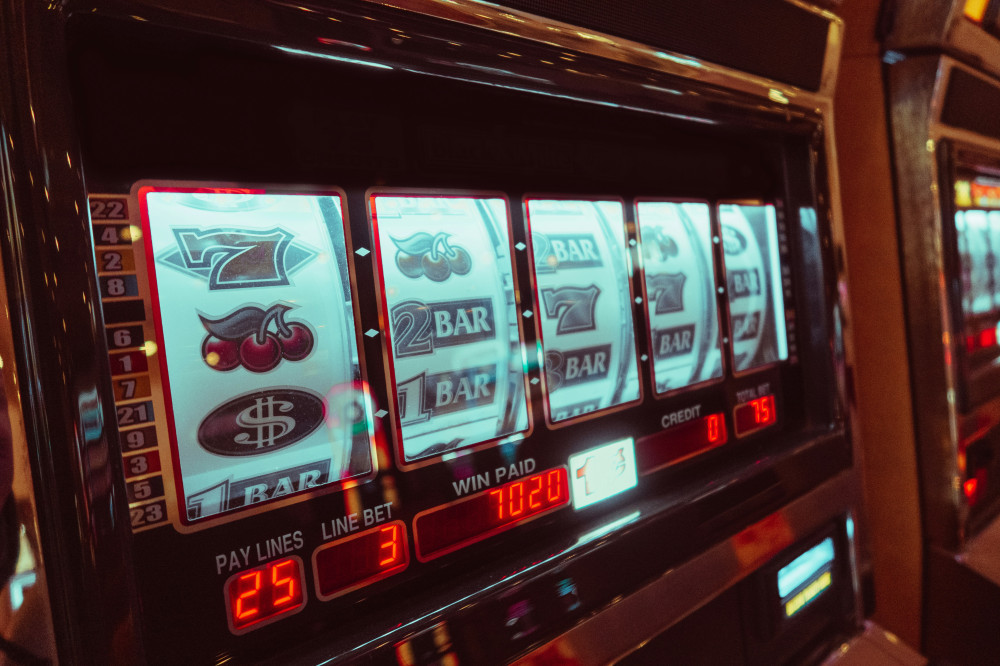
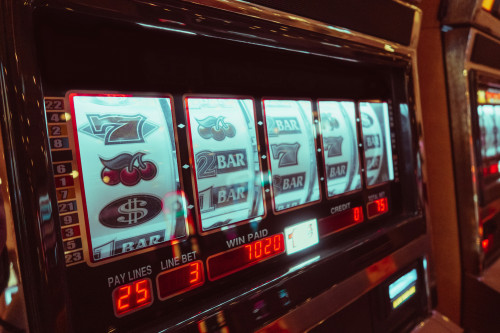
One of the most fascinating aspects of gaming psychology is the “almost win” effect. Imagine spinning a slot machine and getting two matching symbols, just missing the third. Even though you’ve technically lost, your brain reacts as if you’ve come close to victory. That near-miss gives a burst of dopamine, reinforcing the desire to try again.
This illusion of progress keeps many players hooked. It feels like you’re on the verge of success — that the next spin, hand, or round might finally be the one that pays off. That sense of being “so close” is one of the reasons gaming can be so hard to walk away from.
Unpredictability and Excitement
Games are designed to be unpredictable. You never know when the next win will come — and that uncertainty is exactly what keeps players engaged. Psychologists call this “variable reinforcement”: rewards come at random intervals, making the behavior extremely resistant to stopping.
The same principle is used in other areas of entertainment, from social media notifications to video games. The brain loves surprises, and it keeps seeking them out, even when the odds aren’t in our favor.
The Illusion of Control
Many players believe they can influence the outcome through strategy, lucky rituals, or specific patterns. But in most games of chance, the results are completely random. Still, it often feels like we have some control — and that illusion can be powerful.
This sense of control makes people think they can “learn” the game or improve their odds, even when that’s not possible. Ironically, it’s this belief that keeps the cycle going.
When Gaming Becomes an Escape
For some, gaming isn’t just about excitement — it’s also a way to escape stress, loneliness, or everyday problems. The game becomes a space where worries fade, at least temporarily. But when gaming turns into a coping mechanism, it can quickly become a trap.
Losses lead to frustration, which leads to more play in an attempt to win back what was lost. Psychologists call this “chasing losses,” and it’s a classic sign that gaming may be getting out of control.
Regaining Control
Understanding the psychology of gaming is the first step toward taking back control. It doesn’t necessarily mean quitting altogether, but rather playing mindfully and setting clear boundaries. Some people set time or spending limits, while others take breaks to reflect on why they play.
If gaming starts to take up too much space in your life, it can help to talk to someone — a friend, counselor, or professional. In the U.S., organizations like the National Council on Problem Gambling offer free and confidential support for anyone struggling to manage their gaming habits.
Læs også:

Gaming Should Be Entertainment — Not Dependence
Gaming can be fun, social, and exciting when done responsibly. The key is knowing your limits and understanding the psychological forces that make games so compelling. Once you recognize how your brain responds, it becomes easier to make conscious choices — and to let gaming be what it’s meant to be: entertainment, not addiction.
Læs også: