Create Joy and Community for Children in Nature

Create Joy and Community for Children in Nature
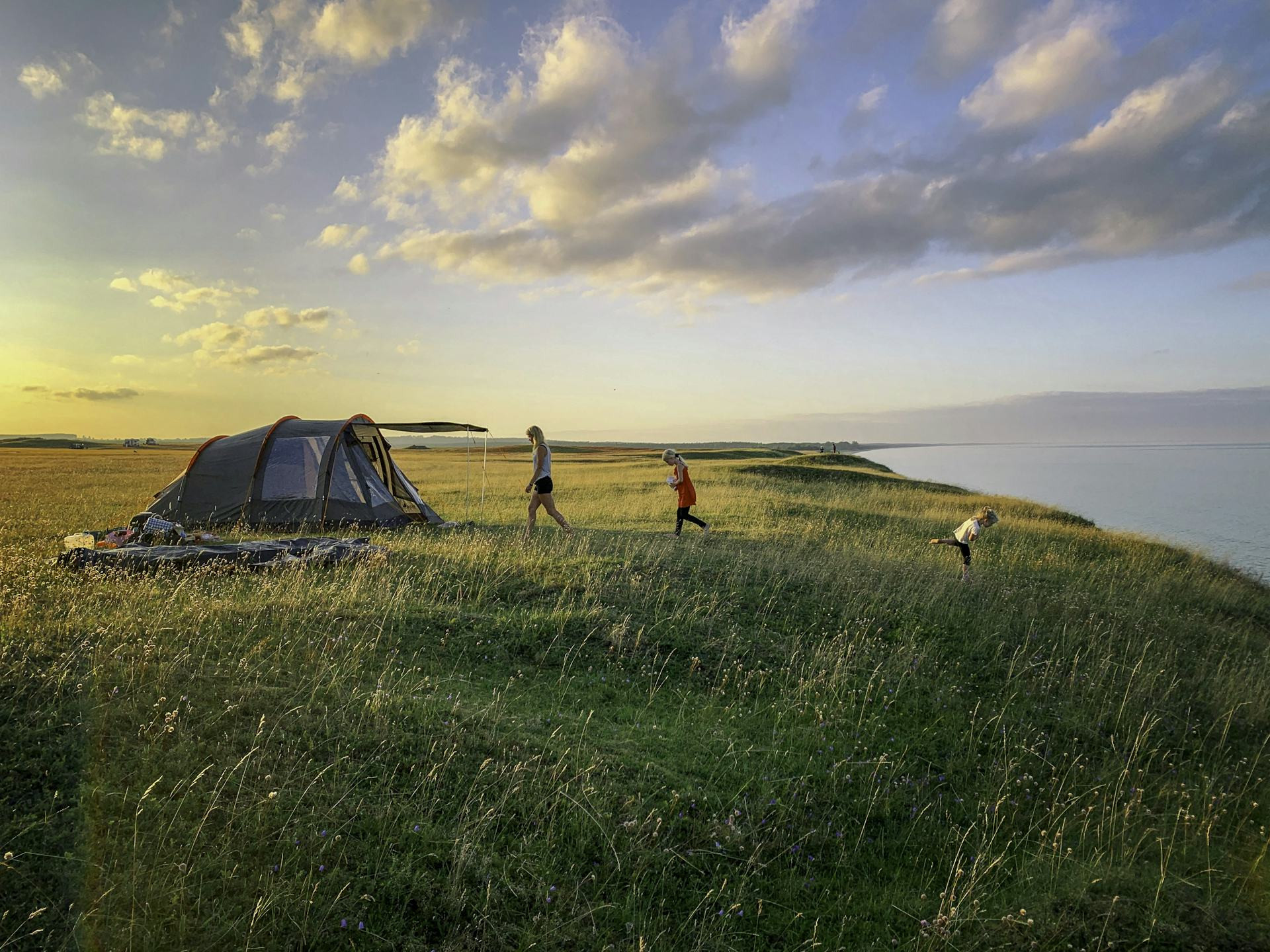
Taking children outdoors is about more than fresh air and exercise – it’s about sparking joy, curiosity, and a sense of belonging. In a time when many kids spend most of their days indoors or in front of screens, nature offers a space where they can move freely, explore, and learn on their own terms. Here’s how you can create meaningful outdoor experiences that nurture both happiness and community among children.
Nature as a Playground and a Classroom
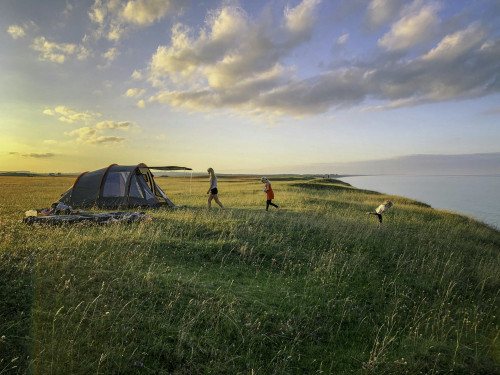
Nature is the most versatile playground imaginable. It doesn’t demand anything, yet it invites imagination and creativity. A stick can become a magic wand, a rock a treasure, and a puddle an ocean. When children play outside, they use their whole bodies and all their senses – strengthening coordination, focus, and confidence.
Outdoor play also teaches cooperation and problem-solving. Building a fort, finding a trail, or cooking over a campfire requires communication, patience, and teamwork. These are life skills that extend far beyond the forest or park.
Læs også:
Make Nature Part of Everyday Life
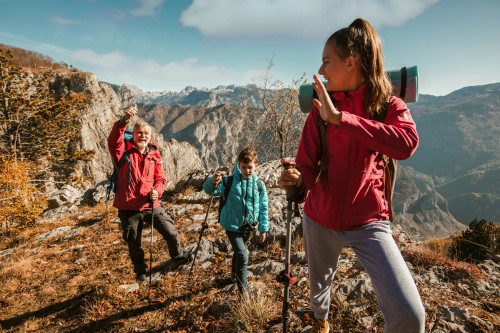
You don’t need a big trip to give children a meaningful nature experience. Small, regular moments outdoors can be just as powerful. A walk around the neighborhood after dinner, a rainy-day adventure, or a picnic in the backyard can all bring a sense of freedom and calm.
Create simple rituals that make nature a natural part of your family’s routine:
- Take a weekly “Friday walk” in a local park or along a nearby trail.
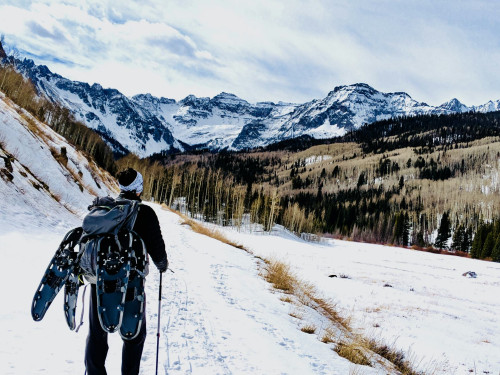
- Notice the changing seasons – collect colorful leaves in fall, look for signs of spring, or build snowmen in winter.
- Keep a nature journal where kids can draw, write, or save small treasures from their adventures.
When nature becomes a habit, it also becomes a safe and familiar place to return to.
Building Community Through Shared Experiences
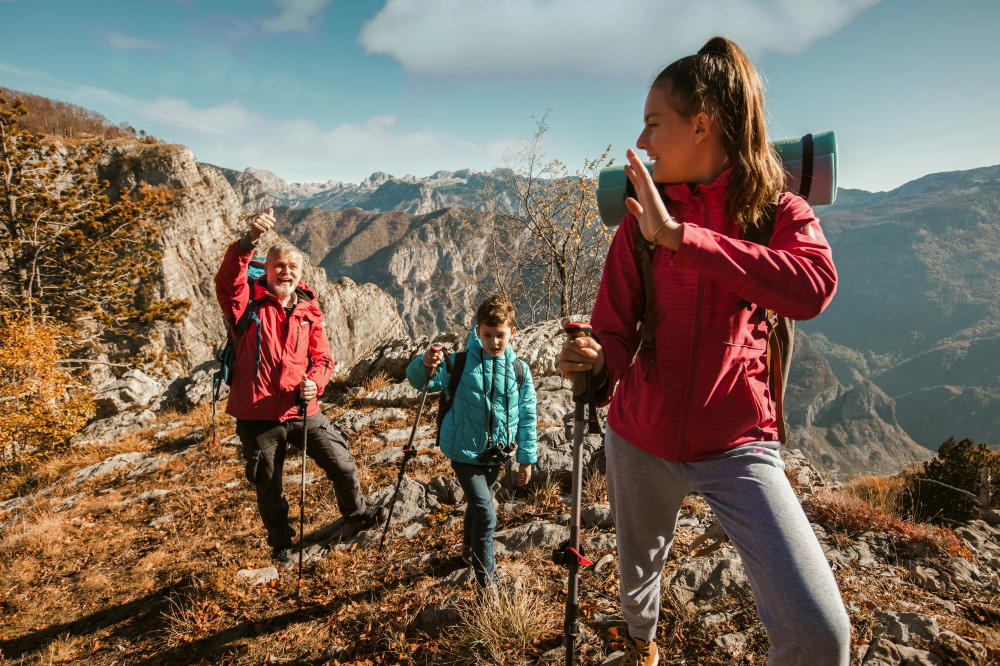
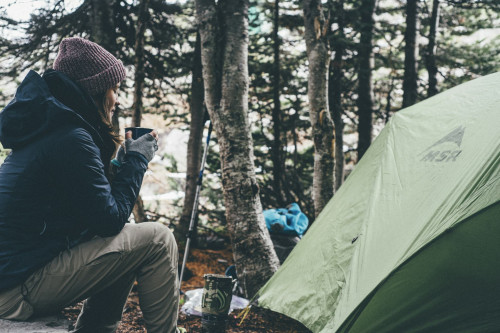
Nature has a special way of bringing people together. Sitting around a campfire, hiking a trail, or sharing snacks on a log creates a sense of connection that doesn’t require many words. For children, these shared experiences can foster belonging without competition or pressure.
Invite friends, neighbors, or classmates to join your outdoor adventures. Organize group activities like scavenger hunts, nature bingo, or a “build your own fort” day. These moments strengthen relationships and help children see nature as a shared space – not just a destination.
Let Go – and Let the Kids Lead
As adults, we often feel the need to plan and direct every activity. But some of the best experiences happen when we step back and let children take the lead. Maybe they’ll spend half an hour watching ants or building dams in a stream – and that’s perfectly fine.
When kids are free to explore at their own pace, their curiosity and confidence grow. They learn to take initiative, ask questions, and find answers through experience. That’s learning in its most natural form.
Nature as a Haven for Every Child
Not every child feels comfortable in sports or structured activities. For some, nature offers a refuge – a place without rules, scores, or expectations. Here, they can be themselves, find peace, and experience success on their own terms.
That makes nature a powerful tool for well-being – in families, schools, and communities. A shared campfire, a walk in the woods, or a day at the beach can build new friendships and give children who often feel left out a place to belong.
Joy, Calm, and Connection – Nature’s Gift to Children
Creating joy and community for children in nature isn’t about grand projects; it’s about presence and time. It’s about giving space for play, curiosity, and experiences that stay in both body and memory. When children feel the wind, the earth, and the freedom of the outdoors, they grow – not just physically, but as people.
So grab your raincoat, pack a snack, and head outside together. Nature is waiting – and it has more to give than you might imagine.
Læs også: