What Is Bushcraft – and Why Does It Attract So Many Outdoor Enthusiasts?

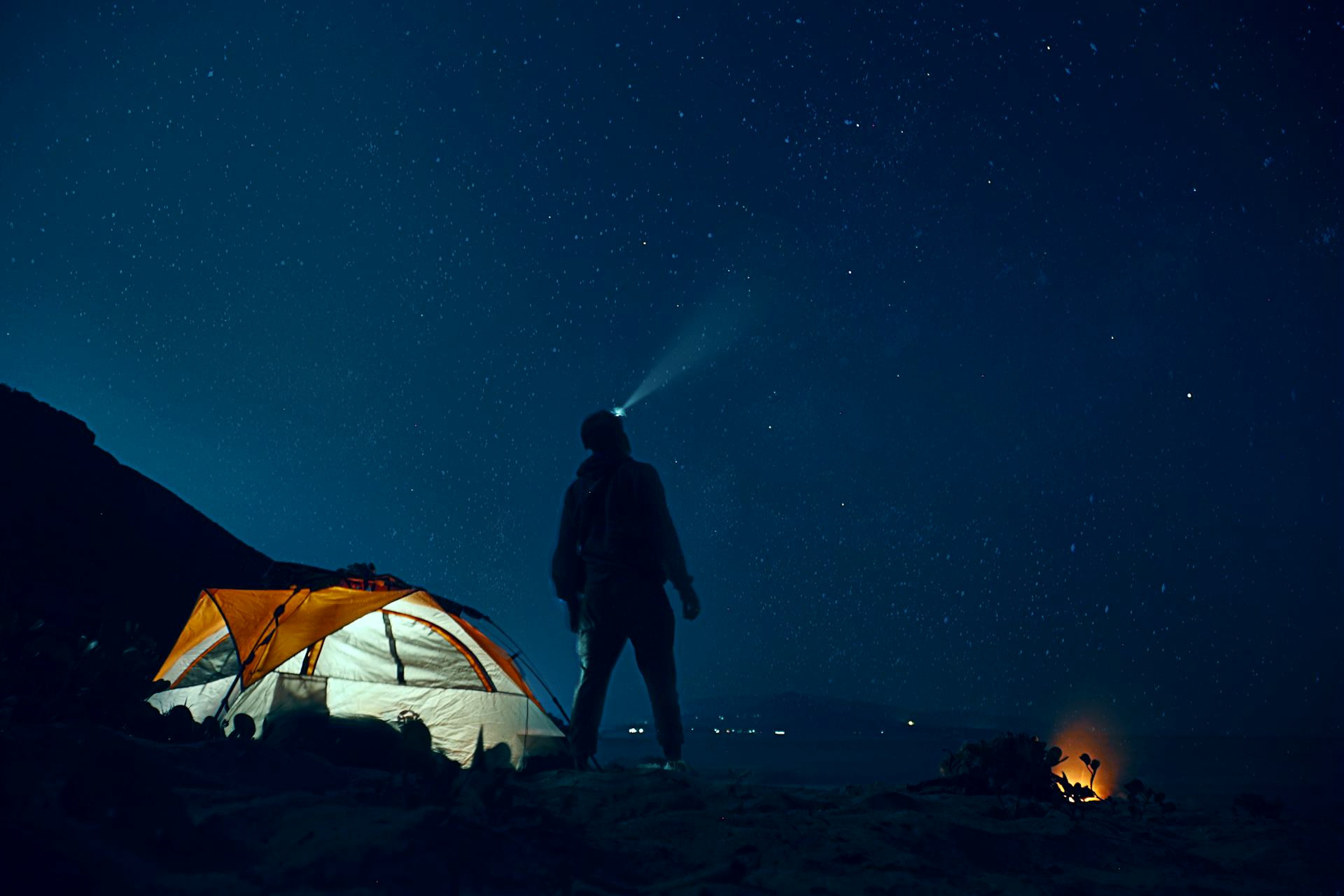
What Is Bushcraft – and Why Does It Attract So Many Outdoor Enthusiasts?
In recent years, bushcraft has gained remarkable popularity among outdoor lovers, adventurers, and survival enthusiasts across the United States. On YouTube, in outdoor schools, and at weekend workshops, people are learning how to start fires without matches, build shelters from natural materials, and forage for wild food. But what exactly is bushcraft—and why does it fascinate so many?
Ancient Skills for a Modern World
At its core, bushcraft is about living comfortably in nature using simple tools and knowledge of the environment. The word comes from “bush,” meaning wilderness, and “craft,” meaning skill or art—essentially, the art of living in and with the natural world.
While the term may sound modern, the skills themselves are ancient. For thousands of years, humans have relied on their ability to make fire, build shelter, and find food and water. What’s new is that today, bushcraft is practiced as a hobby rather than a necessity. For many, it’s a way to reconnect with traditional skills and rediscover a sense of self-reliance that modern life often lacks.
Core Bushcraft Skills
Bushcraft covers a wide range of abilities, but a few key skills form the foundation:
- Fire – Learning to start and maintain a fire in different conditions, often using a ferro rod, flint and steel, or natural tinder.
- Shelter and Campcraft – Building a simple shelter from branches, bark, or a tarp to stay warm and dry.
- Water and Food – Finding, filtering, and boiling water, and cooking meals over an open flame. Some enthusiasts go further, learning to fish, forage, or hunt.
- Tools and Handcraft – Using knives, axes, and saws safely, and crafting useful items like spoons, cordage, or traps from natural materials.
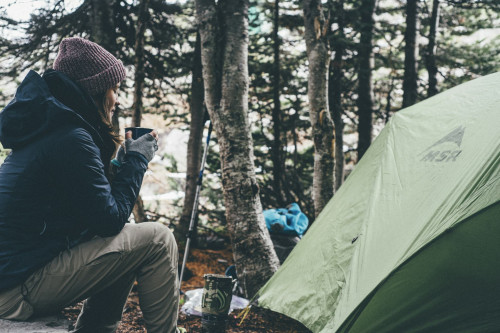
You don’t need to master everything to get started. Many people begin with small projects—brewing coffee over a campfire or building a simple lean-to—and gradually expand their skills.
Læs også:
Why Bushcraft Appeals to So Many
In a world dominated by screens, schedules, and constant connectivity, bushcraft offers a refreshing escape. It’s about slowing down, using your hands, and engaging directly with the natural world. Many describe it as a form of mindfulness—an opportunity to find calm and focus in the simplicity of outdoor living.
Bushcraft also provides a deep sense of independence. Knowing you can take care of yourself without modern conveniences brings confidence and satisfaction. For some, it’s part of emergency preparedness; for most, it’s about the joy of learning and the peace that comes from being outdoors.
Community and Connection
Although bushcraft often evokes images of solitude in the wilderness, it’s also a social activity. Across the U.S., there are clubs, meetups, and online communities where people share techniques, gear tips, and experiences. Events like bushcraft gatherings or “skills weekends” bring enthusiasts together to practice, cook over the fire, and exchange ideas.
This sense of community is a big part of the appeal. Around the campfire, people connect over shared challenges and discoveries—a modern version of the timeless camp experience.
Bushcraft and Sustainability
Respect for nature is central to bushcraft. It’s not about taking from the land recklessly, but about understanding and using resources responsibly. The “Leave No Trace” ethic—leaving nature as you found it—is a guiding principle.
Many practitioners see bushcraft as a path toward greater environmental awareness. When you collect your own water, gather firewood, and feel the weather firsthand, you gain a deeper appreciation for the balance and fragility of natural ecosystems.
Getting Started
You don’t need expensive gear or wilderness experience to try bushcraft. Start small:
- Take a day trip to a nearby forest or park.
- Practice building a small fire in a designated fire ring.
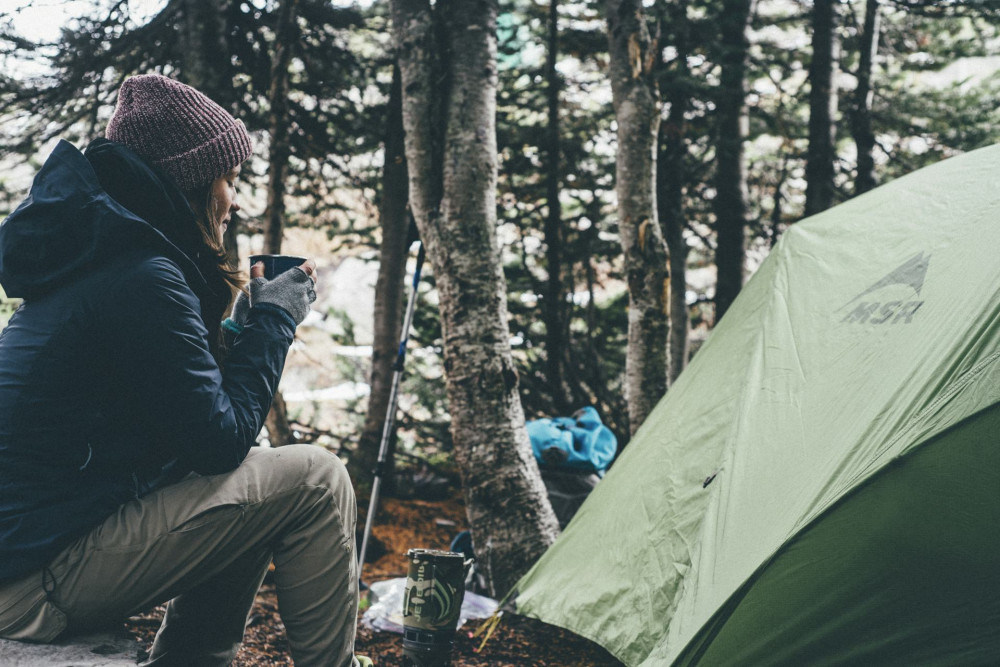
- Cook a simple meal or make coffee over the flames.
- Read or watch tutorials on basic techniques—and try them out safely.
As you gain confidence, you can move on to overnight trips, shelter building, or foraging. The key is to go at your own pace and enjoy the process.
A Return to Simplicity
Ultimately, bushcraft is more than a set of outdoor skills—it’s a mindset. It reminds us that we can live well with less, and that nature provides what we need if we learn to work with it respectfully.
For many Americans, bushcraft has become more than a pastime. It’s a way to find peace, freedom, and connection in a fast-paced world—a return to the simple, grounding rhythms of life outdoors.
Læs også: