The Simplicity of Nature as a Path to Mental Clarity and Physical Well-Being


The Simplicity of Nature as a Path to Mental Clarity and Physical Well-Being
In a world defined by constant notifications, tight schedules, and digital overload, many Americans are rediscovering the healing power of nature. It’s not just a nostalgic longing for the outdoors—science backs it up. Studies show that spending time in natural environments can lower stress, improve focus, and strengthen both body and mind. The simplicity of nature—its rhythms, sounds, and lack of demands—offers a counterbalance to the overstimulation of modern life.
When Nature Becomes a Sanctuary
A walk through a forest trail, sitting by a lake, or simply feeling the breeze on your face may seem like small acts, but they can have profound effects. In nature, our senses awaken, and our thoughts begin to settle. We’re reminded that life doesn’t always have to move at full speed, and that stillness can be a source of strength.
For many, nature becomes a sanctuary—a place to breathe deeply and reconnect with oneself. It’s not about achieving or performing; it’s about being present. The calm that arises in these moments can bring mental clarity and renewed energy for the challenges of daily life.
The Physical Benefits of Moving Outdoors
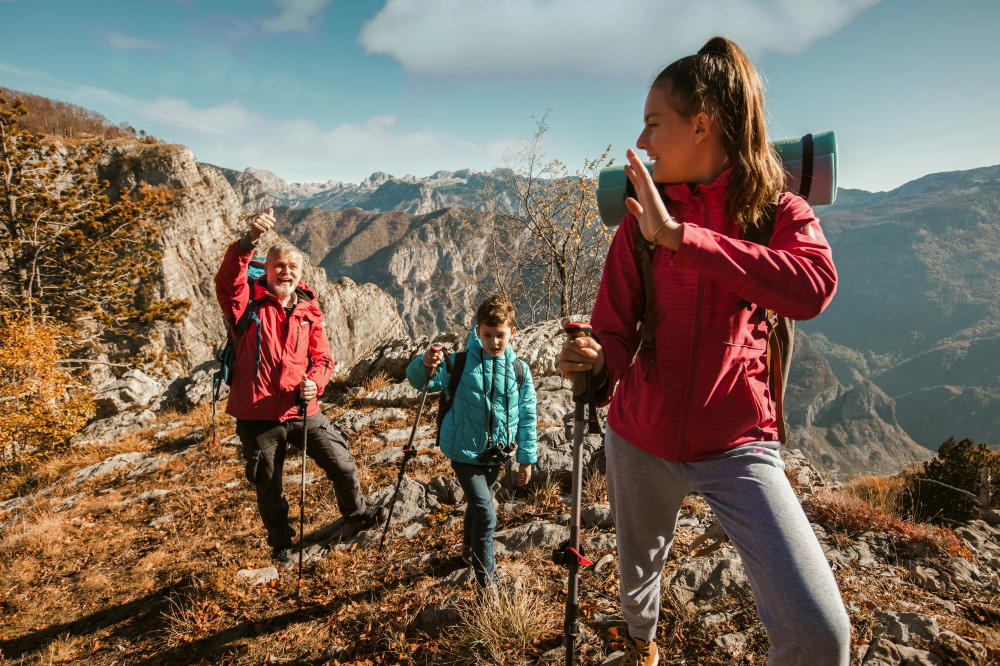
Beyond mental peace, nature provides a natural setting for physical activity. Hiking on uneven terrain, biking along a scenic trail, or swimming in open water engages the body in ways that feel less like exercise and more like play. This makes it easier to stay active without the sense of obligation that often comes with gym routines.
Research suggests that outdoor exercise can have a stronger positive impact on mood than indoor workouts. The combination of fresh air, natural light, and open space stimulates both the cardiovascular and nervous systems, contributing to better sleep, improved mood, and lower stress levels.
Simplicity as an Antidote to Overstimulation
In a culture saturated with information and constant connectivity, nature’s simplicity acts as a powerful antidote. There are no pop-up ads, no buzzing phones, no endless to-do lists—just the quiet hum of life unfolding at its own pace. This allows the brain to rest and reset, a process psychologists call “mental restoration.”
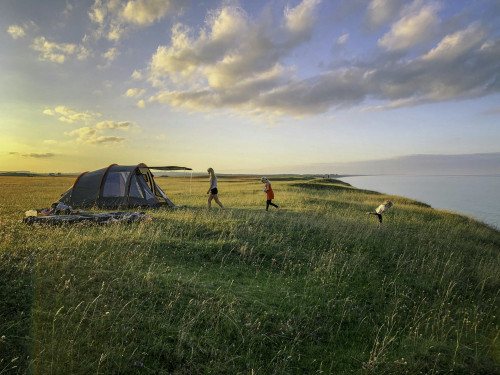
Even short moments outdoors can make a difference. Eating lunch in a park, taking a short walk during a work break, or spending a weekend camping can all help restore balance. It’s not about escaping everyday life but about creating small pockets of calm within it.
Læs også:


Bringing Nature’s Calm into Everyday Life
You don’t need to live near a national park to experience the benefits of nature. Simple habits can help you weave the outdoors into your daily routine:
- Start your morning outside – enjoy your coffee on the porch or take a short walk before work.
- Take your lunch break outdoors – even 15 minutes of daylight can boost mood and energy.
- Plan green breaks – spend weekends exploring local parks, beaches, or hiking trails.
- Unplug regularly – let the sounds of nature replace background noise from screens.
- Practice mindful movement – try yoga, stretching, or meditation under the open sky.
These small rituals can help you build a rhythm where nature becomes a natural part of your life, not an occasional luxury.
A Reminder of What Truly Matters
When we spend time in nature, we’re reminded of how little it takes to feel whole. A ray of sunlight through the trees, the scent of rain, or the sound of birdsong can awaken gratitude and presence. In those moments, we realize that nature’s simplicity isn’t just beautiful—it’s deeply restorative.
Seeking out nature is not an escape but a return—a way to rediscover what is simple, peaceful, and real. Through that reconnection, we find both mental clarity and physical well-being.
Læs også: