When the Weather Turns: Tips for Handling Wind, Rain, and Snow Outdoors

When the Weather Turns: Tips for Handling Wind, Rain, and Snow Outdoors
Across the United States, weather can change in a heartbeat. A calm morning hike can turn into a windy struggle by noon, or a light drizzle can become a downpour before you’ve reached the trailhead. For anyone who loves spending time outdoors—whether hiking, camping, or fishing—being ready for shifting conditions is part of the adventure. Here’s how to stay safe, comfortable, and confident when the weather takes a turn.
When the Wind Picks Up
Wind can be invigorating, but it can also make outdoor activities more challenging. On open plains, mountain ridges, or coastal areas, strong gusts can sap your warmth and make it harder to control your gear.
- Check the forecast and wind direction – Plan your route so you can take advantage of natural windbreaks like forests, hills, or rock formations.
- Dress in layers – A windproof outer shell helps block cold air and keeps your body heat from escaping.
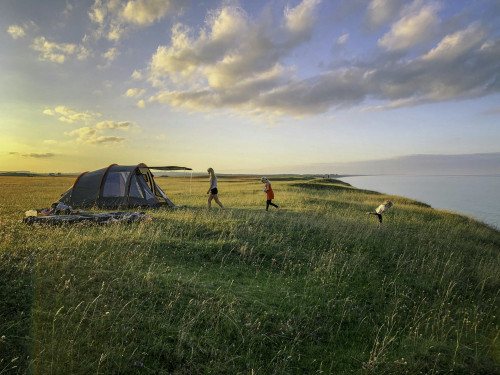
- Secure your gear – Use extra stakes and guy lines for tents, and position your shelter with its back to the wind.
- Be cautious on water – Postpone kayaking, canoeing, or paddleboarding if winds are strong; waves and crosswinds can quickly become dangerous.
Remember that wind increases heat loss dramatically. Even in mild temperatures, you can become chilled if you’re not properly protected.
Rain – The Classic Challenge
Rain is a fact of life in most parts of the country, from Pacific Northwest drizzle to summer thunderstorms in the Midwest. Staying dry—or at least warm when you’re wet—makes all the difference.
- Invest in quality rain gear – A breathable, waterproof jacket and pants with sealed seams are worth every penny.
- Keep your feet dry – Waterproof boots and extra socks help prevent blisters and discomfort.
- Pack smart – Use dry bags or plastic liners to protect clothing, food, and electronics.
- Plan your breaks – Take shelter under trees, a tarp, or a picnic shelter when possible, and avoid sitting directly on wet ground.
After a rainy day, dry your gear as soon as you can. Damp clothing and shoes can lead to chills or skin irritation if left wet overnight.
Snow and Cold – Nature’s Quiet Test
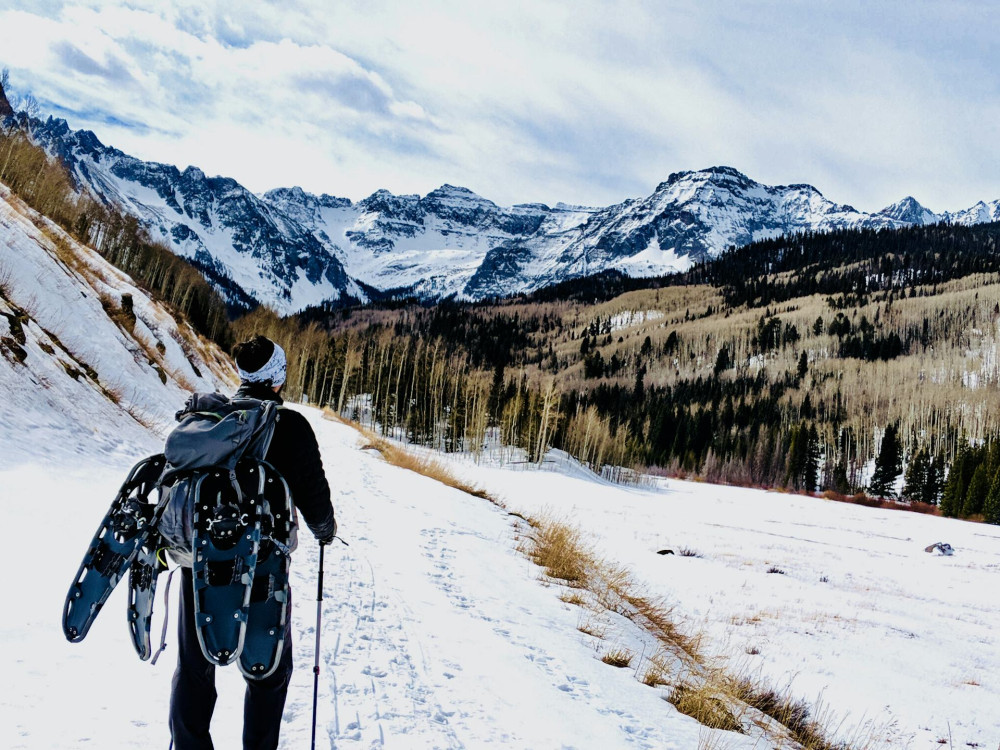
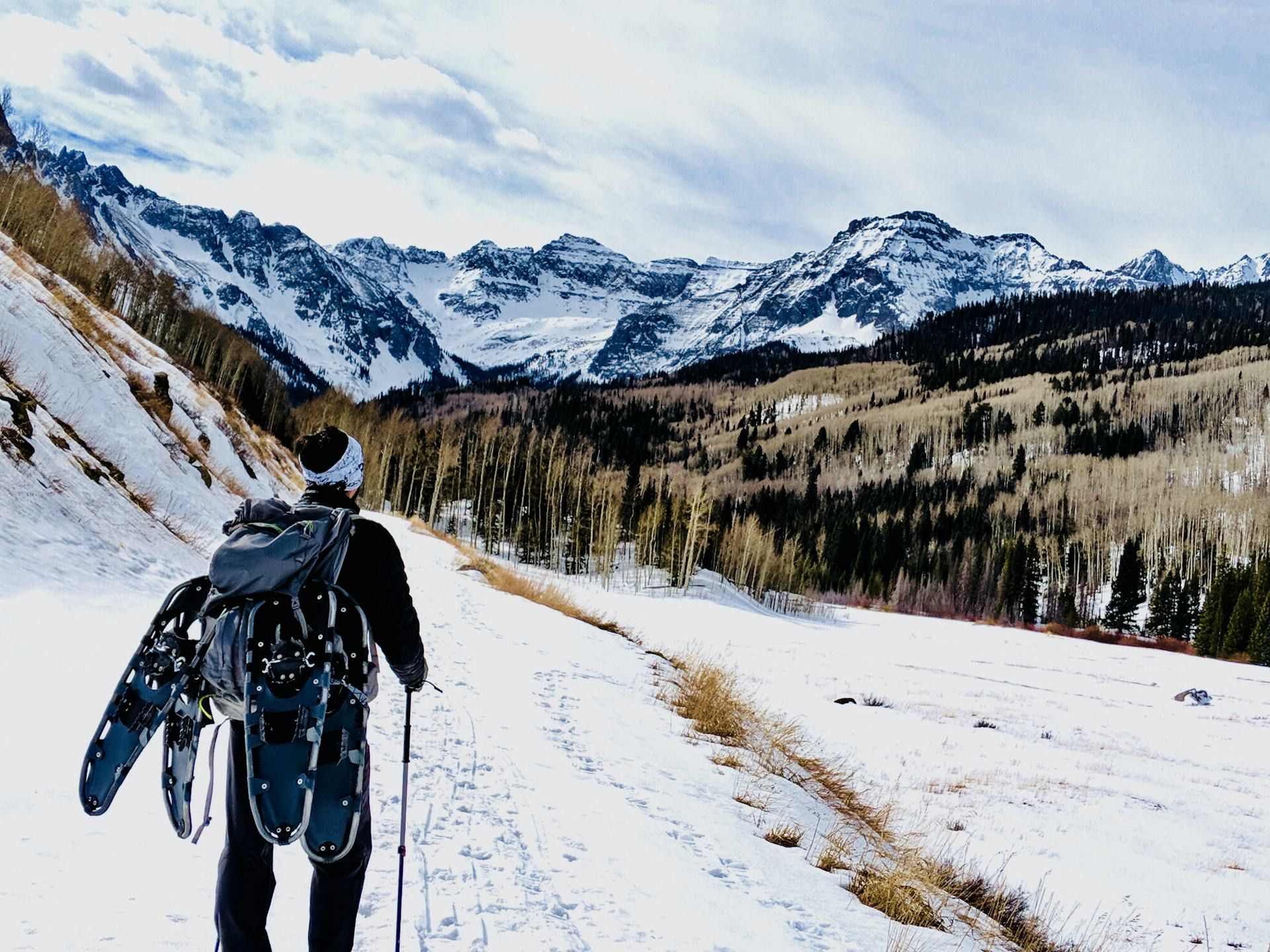
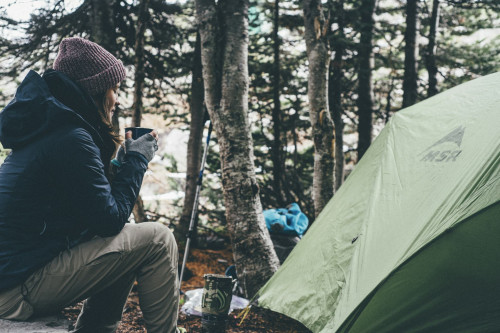
When snow blankets the landscape, the world feels peaceful—but cold weather demands respect. Whether you’re snowshoeing in the Rockies or camping in a frosty forest, preparation is key.
- Layer up wisely – Start with a moisture-wicking base layer, add an insulating mid-layer like fleece or wool, and finish with a windproof, waterproof shell.
- Protect your extremities – Wear insulated gloves, a warm hat, and thick socks; these areas lose heat fastest.
- Eat and drink regularly – Cold weather burns more calories, and warm food or drinks help maintain body temperature.
- Watch your footing – Ice and packed snow can be slippery; traction cleats or trekking poles can help prevent falls.
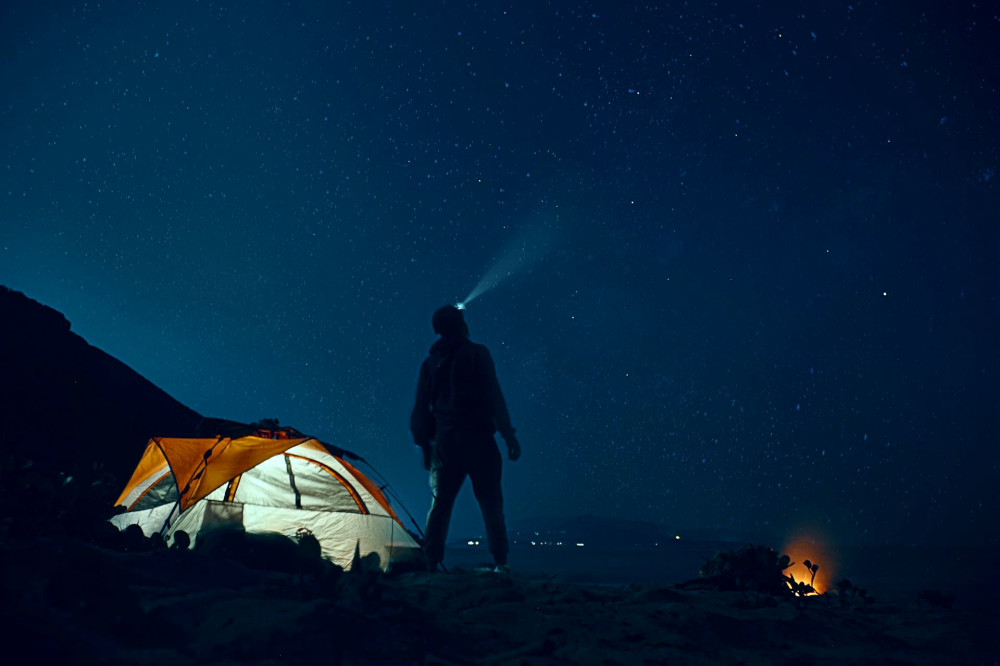
If you’re camping overnight, use an insulated sleeping pad and a sleeping bag rated for the expected temperature. Ground cold can be more draining than the air temperature itself.
Læs også:
Preparation Is Everything
No matter the season, preparation is your best defense against unpredictable weather. Always check the forecast before heading out, and be ready to adjust your plans if conditions worsen. Pack extra clothing, a thermos of something warm, and a backup plan for shelter.
A good habit is to think through “what if” scenarios: What if the wind doubles? What if the rain lasts all day? What if the temperature drops suddenly? The more you anticipate, the better equipped you’ll be to handle surprises.
Enjoy the Outdoors – Whatever the Weather
Outdoor adventures aren’t just about sunny skies. Some of the most memorable experiences come when nature shows its power—when you feel the wind on your face, hear the rain on your hood, or walk through a quiet snowfall. These moments remind us that we’re part of something bigger.
So next time the weather turns, don’t rush to pack up. Embrace it, adapt, and remember: every gust, drop, and snowflake is part of the story you’ll tell later.
Læs også: