Driven Hunting Overview: Safety and Focus on the Move

Driven Hunting Overview: Safety and Focus on the Move
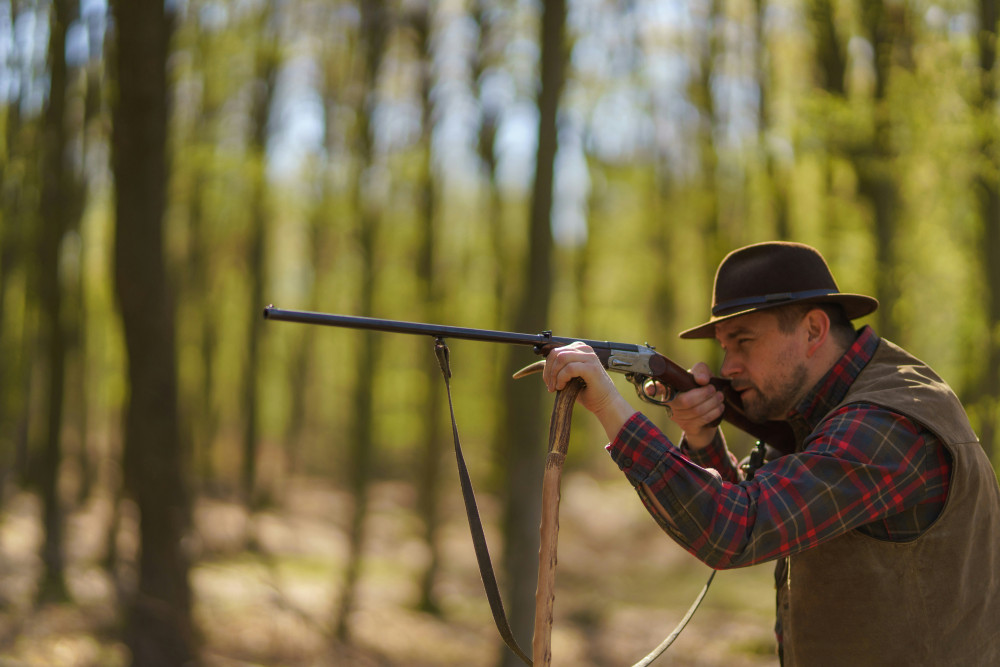
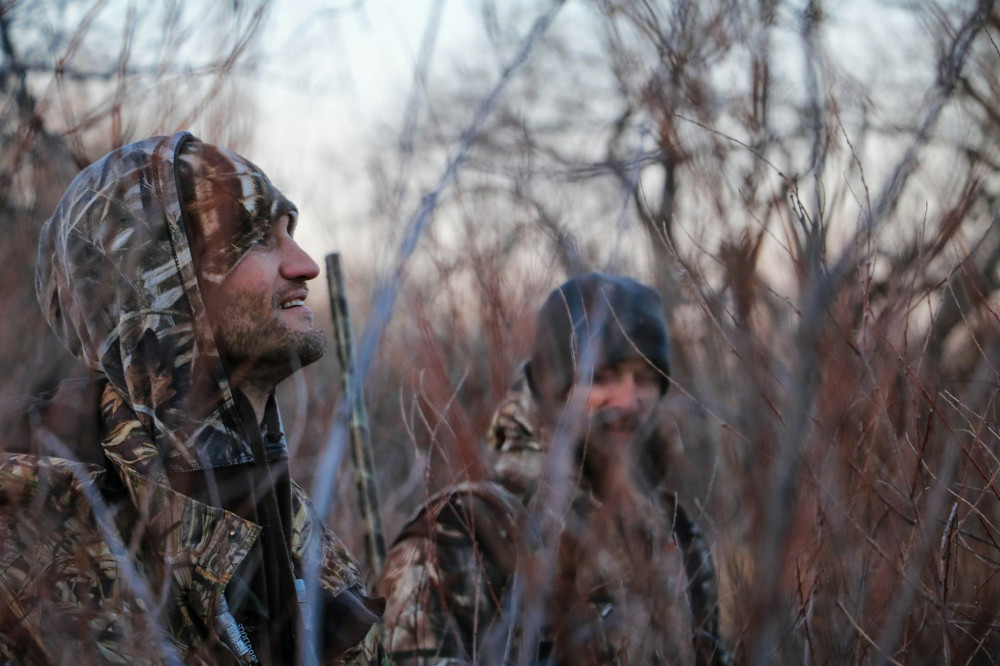
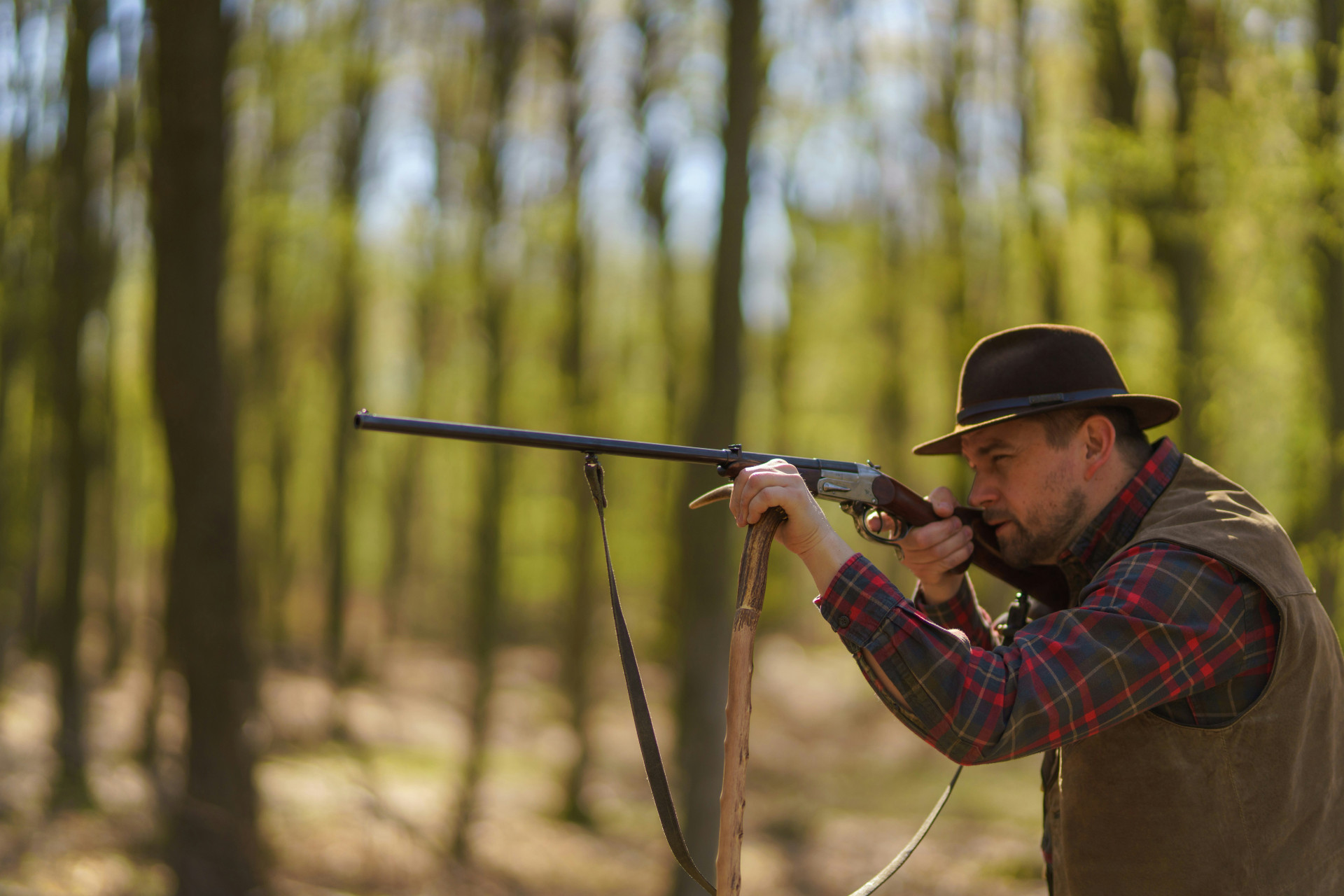
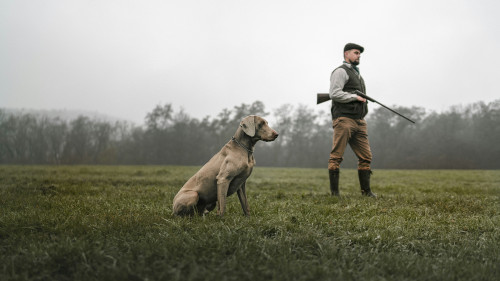
Driven hunting is one of the most dynamic and social forms of hunting, where teamwork, timing, and safety come together in motion. When multiple hunters and dogs move through the terrain and game is on the move, it demands awareness, discipline, and clear communication. A successful driven hunt isn’t just about taking shots—it’s about creating a safe, ethical, and rewarding experience for everyone involved. Here’s an overview of how to maintain focus and safety while on the move.
What Is Driven Hunting?
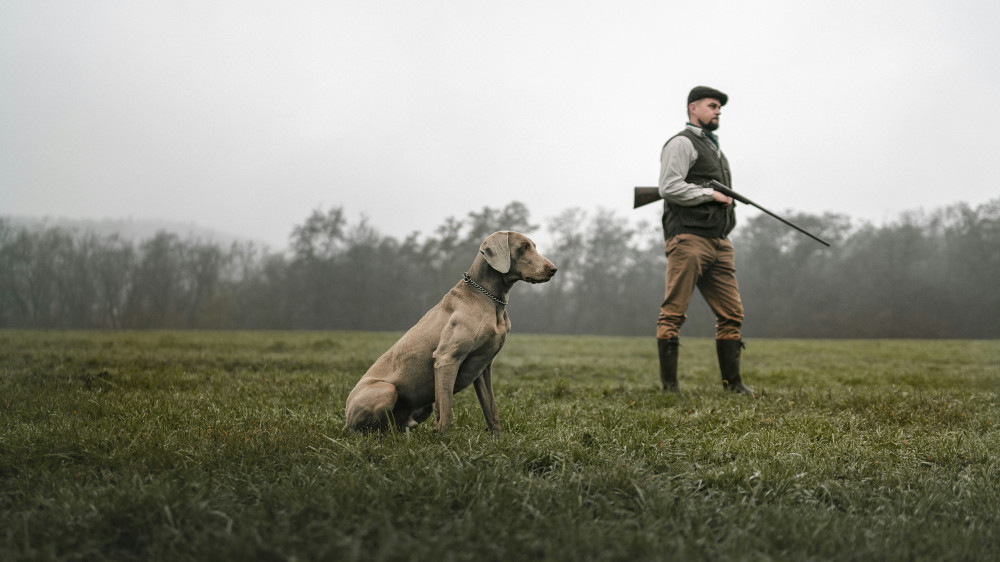
Driven hunting, sometimes called a “drive hunt,” involves a coordinated effort where beaters or dog handlers move through an area to gently push game toward waiting shooters. Unlike still hunting or stand hunting, driven hunts are active and require precise coordination. The goal is to move animals naturally, giving hunters safe and ethical shooting opportunities.
In the U.S., driven hunts are less common than in parts of Europe, but similar methods are used for deer, wild hogs, and upland birds. Whether organized on private land or as part of a management effort, the principles remain the same: plan carefully, communicate clearly, and always prioritize safety.
Preparation: Planning Is Key
A safe and effective driven hunt begins long before anyone enters the woods. Preparation ensures that everyone knows their role and that risks are minimized.
- Map the area – Study the terrain, shooting lanes, and potential hazards. Use GPS or mapping apps to mark stand locations and drive routes.
- Assign clear roles – Decide who will act as drivers, standers, and dog handlers. Everyone should know their position and responsibilities.
- Communicate effectively – Use radios, hand signals, or prearranged calls. Miscommunication can lead to confusion or unsafe situations.
- Review safety rules – Go over safe shooting angles, target identification, and when it’s appropriate to shoot. No shot is worth compromising safety.
A good hunt leader ensures that every participant understands the plan and feels confident before the drive begins.
Læs også:

On the Move: Stay Focused and Calm
Once the drive starts, adrenaline can rise quickly. This is when focus and composure matter most.
- Move deliberately and quietly – Avoid unnecessary noise that could spook game or disrupt the drive.
- Stay aware of your surroundings – Know where your fellow hunters are at all times. Visibility and awareness prevent accidents.
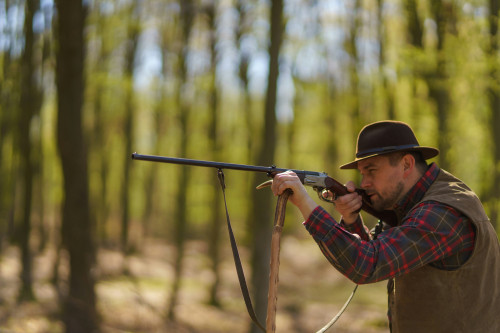
- Shoot only when absolutely safe – Always confirm your target and what lies beyond it. A safe backstop is non-negotiable.
- Follow all signals and commands – If the hunt leader calls a stop, respond immediately and wait for further instructions.
Driven hunting is a team effort. A single lapse in focus can endanger others, so discipline and awareness are essential.
Gear and Clothing
The right equipment enhances both safety and comfort during a driven hunt.
- High-visibility clothing – Wear blaze orange or another bright color so you’re easily seen by others.
- Reliable communication tools – A two-way radio or cell phone with coverage can be a lifesaver in remote areas.
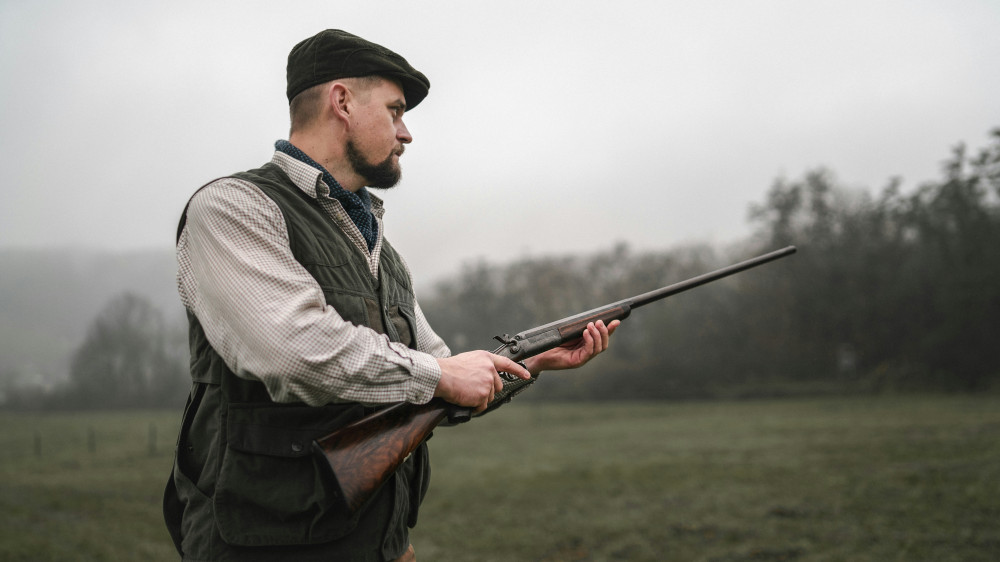
- Firearm and ammunition – Choose a caliber and bullet type suited to the game species, and ensure your firearm is in perfect working order.
- Appropriate footwear and clothing – Dress for the terrain and weather. Quiet, breathable, and weather-resistant gear helps you move safely and comfortably.
Preparation allows you to focus on the hunt itself rather than worrying about discomfort or equipment issues.
After the Drive: Review and Respect
When the drive ends, take time to regroup and reflect. This is when lessons are learned and camaraderie is strengthened.
- Review safety and performance – Discuss any close calls or unclear situations to improve next time.
- Respect the game – Proper recovery, field dressing, and handling of harvested animals are part of ethical hunting.
- Share the experience – A post-hunt conversation or meal builds community and reinforces shared responsibility.
A hunt doesn’t truly end when the last shot is fired—it ends when everyone is safely back and the experience has been evaluated.
Safety and Awareness Go Hand in Hand
Driven hunting demands more than marksmanship. It requires thoughtfulness, cooperation, and respect for both people and wildlife. When every participant understands their role and acts responsibly, driven hunting becomes an experience that blends excitement, teamwork, and a deep connection to nature—safely and successfully.
Læs også: