Is Your Hunting Gear Properly Insured? How to Assess Its Value

Protect your hunting investment by understanding what your insurance really covers
Hunting
Hunting
4 min
Your hunting gear is more than just equipment—it’s a valuable collection that deserves proper protection. Learn how to assess its true worth, document your assets, and ensure your insurance policy keeps you covered in case of loss or damage.
Chase Freeman
Chase
Freeman

Is Your Hunting Gear Properly Insured? How to Assess Its Value

Protect your hunting investment by understanding what your insurance really covers
Hunting
Hunting
4 min
Your hunting gear is more than just equipment—it’s a valuable collection that deserves proper protection. Learn how to assess its true worth, document your assets, and ensure your insurance policy keeps you covered in case of loss or damage.
Chase Freeman
Chase
Freeman

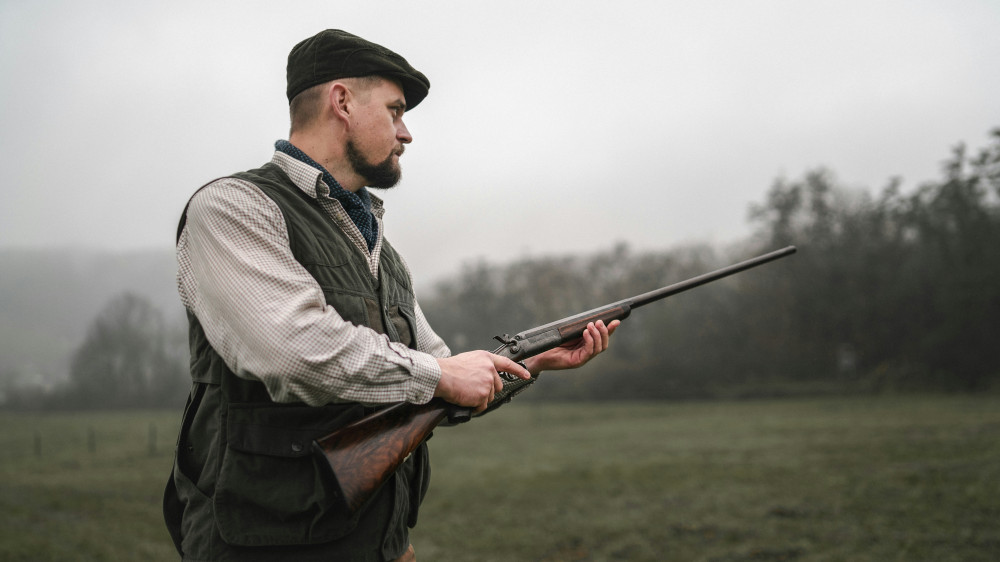
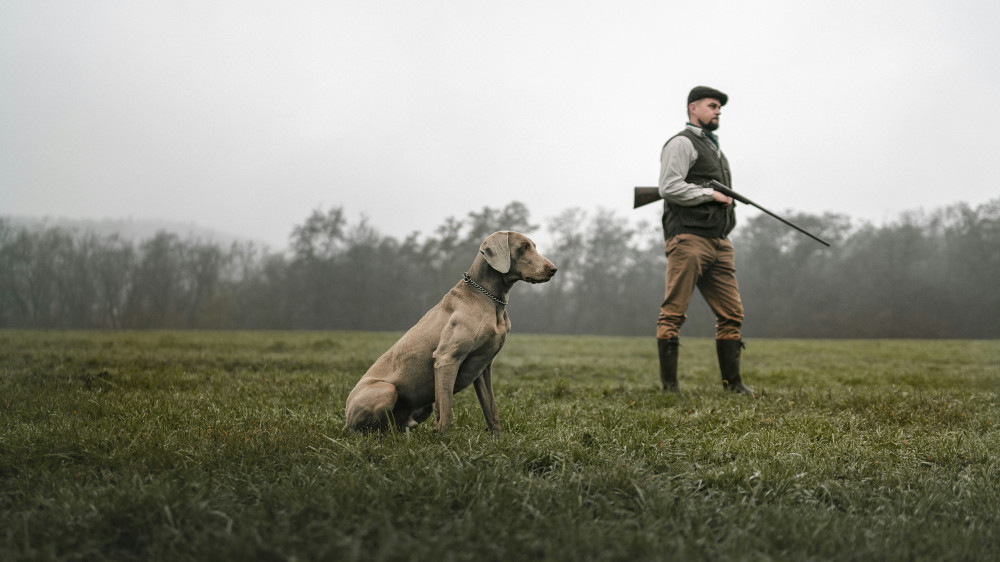
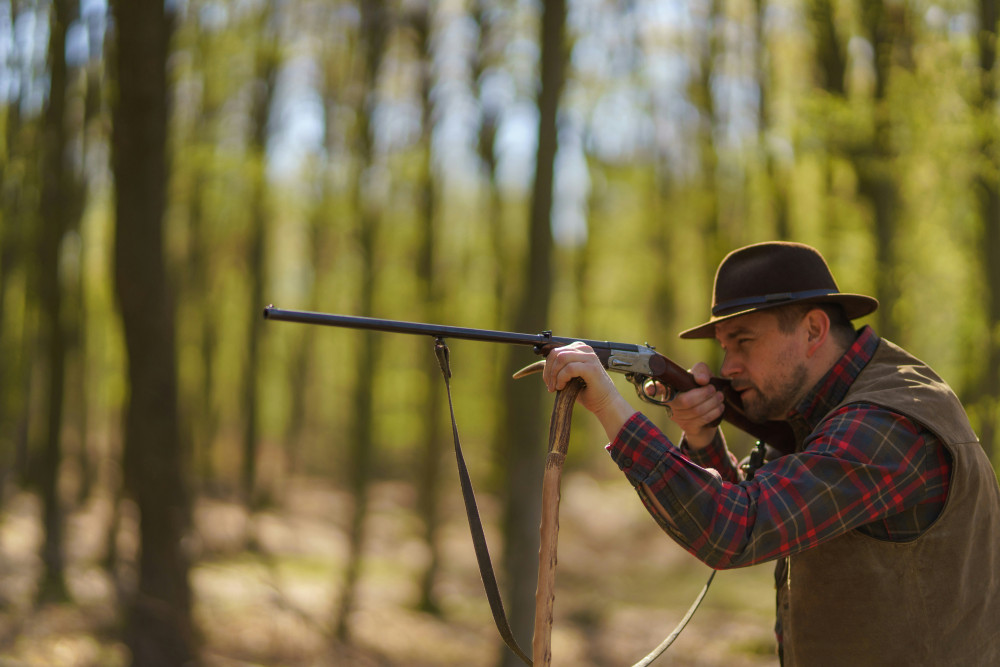
For many American hunters, gear represents more than just tools of the trade—it’s a significant financial and personal investment. Firearms, optics, clothing, knives, and accessories can easily add up to thousands of dollars. But if something happens—fire, theft, or an accident—are you sure your insurance would cover the loss? Here’s a guide to help you assess the value of your hunting gear and make sure it’s properly insured.

Understand Your Current Coverage

The first step is to find out how your hunting gear is covered under your existing insurance policies. In many cases, your homeowners or renters insurance provides some protection, but there are often limits and exclusions.

  • Firearms and accessories may be covered, but most policies cap payouts for guns and related equipment—sometimes as low as $2,500 total.
  • Portable gear like binoculars, rangefinders, or GPS units may only be covered while at home, not when you’re in the field or traveling.
  • Specialized items such as thermal scopes or night vision optics may require additional riders or endorsements.

Contact your insurance agent and ask specifically how your policy treats firearms and hunting equipment. It’s better to clarify now than to discover gaps after a loss.

Create a Detailed Inventory

To insure your gear properly, you need to know what it’s worth. Many hunters underestimate the total value of their equipment until they start adding it up.

Make a list of everything you own, including:

  • Firearms and accessories (rifles, shotguns, scopes, slings, suppressors)
  • Clothing and footwear (jackets, pants, boots, gloves)
  • Electronics (rangefinders, GPS units, radios, cameras)
  • Knives, packs, blinds, and other field gear

Record the brand, model, purchase date, and price for each item. Keep receipts if you have them—they’re invaluable for proving value to your insurer. For used or inherited gear, note a realistic market value based on current prices.

Account for Depreciation

Insurance companies often calculate payouts based on an item’s age and condition, not its original purchase price. That means you may not receive full replacement value for older gear. To stay accurate, update your inventory every year or two.

Some insurers offer replacement cost coverage, which reimburses you for the cost of a new, equivalent item rather than the depreciated value. This can be especially worthwhile for high-end optics or electronics that lose value quickly.

Consider a Specialized Policy

If you own a large collection or high-value items, a standard homeowners policy may not be enough. Many insurers offer scheduled personal property coverage or sports equipment riders that specifically cover firearms and hunting gear.

You can also look into firearms insurance through organizations like the NRA or specialty insurers. These policies often cover theft, accidental damage, and loss during travel or hunting trips—situations where standard coverage may fall short.

Document Everything with Photos

A simple but powerful step: take photos of your gear. Visual documentation can make a big difference if you ever need to file a claim. Store the images digitally—preferably in the cloud—along with your inventory list and receipts.

Don’t Forget Liability and Safety

As a hunter, you also carry responsibility for safe firearm use. Most states require hunting liability insurance for certain activities or hunting leases. This coverage protects you if you accidentally cause injury or property damage while hunting. Some hunting clubs or associations include liability coverage with membership, but it’s worth confirming that it’s active and adequate.

Proper storage is another key part of risk management. Keep firearms in a secure, locked safe, store ammunition separately, and protect electronics from moisture and extreme temperatures.

Review Your Coverage Regularly

Insurance isn’t something you set and forget. New purchases, upgrades, and price changes can quickly make your coverage outdated. Make it a habit to review your insurance once a year—ideally before hunting season begins.

It only takes a short time, but it can save you from major financial loss if the unexpected happens.

Peace of Mind in the Field

Making sure your hunting gear is properly insured isn’t just about protecting your wallet—it’s about peace of mind. When you know your investment is covered, you can focus on what really matters: the hunt itself, the camaraderie, and the time spent outdoors.

Ethical Hunting in Practice – How the Law Ensures Animal Welfare
How laws and ethics work together to promote responsible hunting and protect wildlife
Hunting
Hunting
Ethical Hunting
Animal Welfare
Wildlife Conservation
Hunting Laws
Sustainable Practices
3 min
Discover how ethical principles and legal frameworks shape modern hunting practices in the United States. Learn how hunters, lawmakers, and conservationists collaborate to ensure animal welfare, sustainability, and respect for nature.
Zane Baker
Zane
Baker
Train Your Dog to Stay Calm in the Blind Before the Shot
Teach your hunting dog the patience and steadiness needed for a safe and successful hunt
Hunting
Hunting
Dog Training
Hunting Dogs
Obedience
Field Training
Gun Dog
6 min
Learn how to train your dog to stay calm and focused in the blind before the shot. With the right approach, you can build discipline, reduce excitement, and create a more controlled hunting experience for both you and your dog.
Christopher Lee
Christopher
Lee
Driven Hunting Overview: Safety and Focus on the Move
Stay alert, stay safe, and make every driven hunt a rewarding experience
Hunting
Hunting
Driven Hunting
Hunting Safety
Outdoor Activities
Teamwork
Ethical Hunting
7 min
Discover the essentials of driven hunting—where coordination, safety, and focus define success. Learn how preparation, communication, and awareness ensure an ethical and enjoyable hunt for all participants.
Mason Stewart
Mason
Stewart
Ethical Judgment as a Hunter – Learn Through Experience and Reflection
Develop your ethical compass as a hunter through practice, reflection, and shared experience
Hunting
Hunting
Hunting Ethics
Responsible Hunting
Wildlife Management
Hunter Education
Outdoor Community
3 min
Hunting is not only about skill and precision—it is also about responsibility and moral awareness. This article explores how ethical judgment grows through experience, reflection, and dialogue within the hunting community, forming the foundation of responsible and sustainable hunting.
Daisy Adams
Daisy
Adams
Is Your Hunting Gear Properly Insured? How to Assess Its Value
Protect your hunting investment by understanding what your insurance really covers
Hunting
Hunting
Hunting Gear
Insurance
Outdoor Lifestyle
Firearms
Safety
4 min
Your hunting gear is more than just equipment—it’s a valuable collection that deserves proper protection. Learn how to assess its true worth, document your assets, and ensure your insurance policy keeps you covered in case of loss or damage.
Chase Freeman
Chase
Freeman
Learn to Read Origami Diagrams: Understand the Symbols and Fold Like a Pro
Master the language of origami diagrams and bring paper creations to life
Hobby
Hobby
Origami
Paper Art
Crafting
DIY
Creative Skills
6 min
Discover how to read and understand origami symbols step by step. This guide will help you decode diagrams, perfect your folds, and transform simple sheets of paper into stunning works of art.
Zane Baker
Zane
Baker
Pack Your Backpack Right for the Outdoors – Light Weight, Big Function
Master the art of packing light without sacrificing comfort or essentials
Hobby
Hobby
Backpacking
Outdoor Adventure
Hiking Tips
Travel Gear
Lightweight Packing
3 min
Discover how to pack your backpack efficiently for any outdoor adventure. Learn the secrets to balancing weight, comfort, and function so you can move freely and enjoy every step of your journey.
Christopher Lee
Christopher
Lee
Prevent Gymnastics Injuries with Effective Warm-Up and Stretching
Protect your body and boost performance with the right warm-up and stretching routine
Hobby
Hobby
Gymnastics
Injury Prevention
Warm-Up
Stretching
Training Tips
5 min
Learn how to reduce the risk of gymnastics injuries through effective warm-up and stretching techniques. Discover the best ways to prepare your muscles, improve flexibility, and enhance your overall performance in training and competition.
Mason Stewart
Mason
Stewart