Ethical Judgment as a Hunter – Learn Through Experience and Reflection

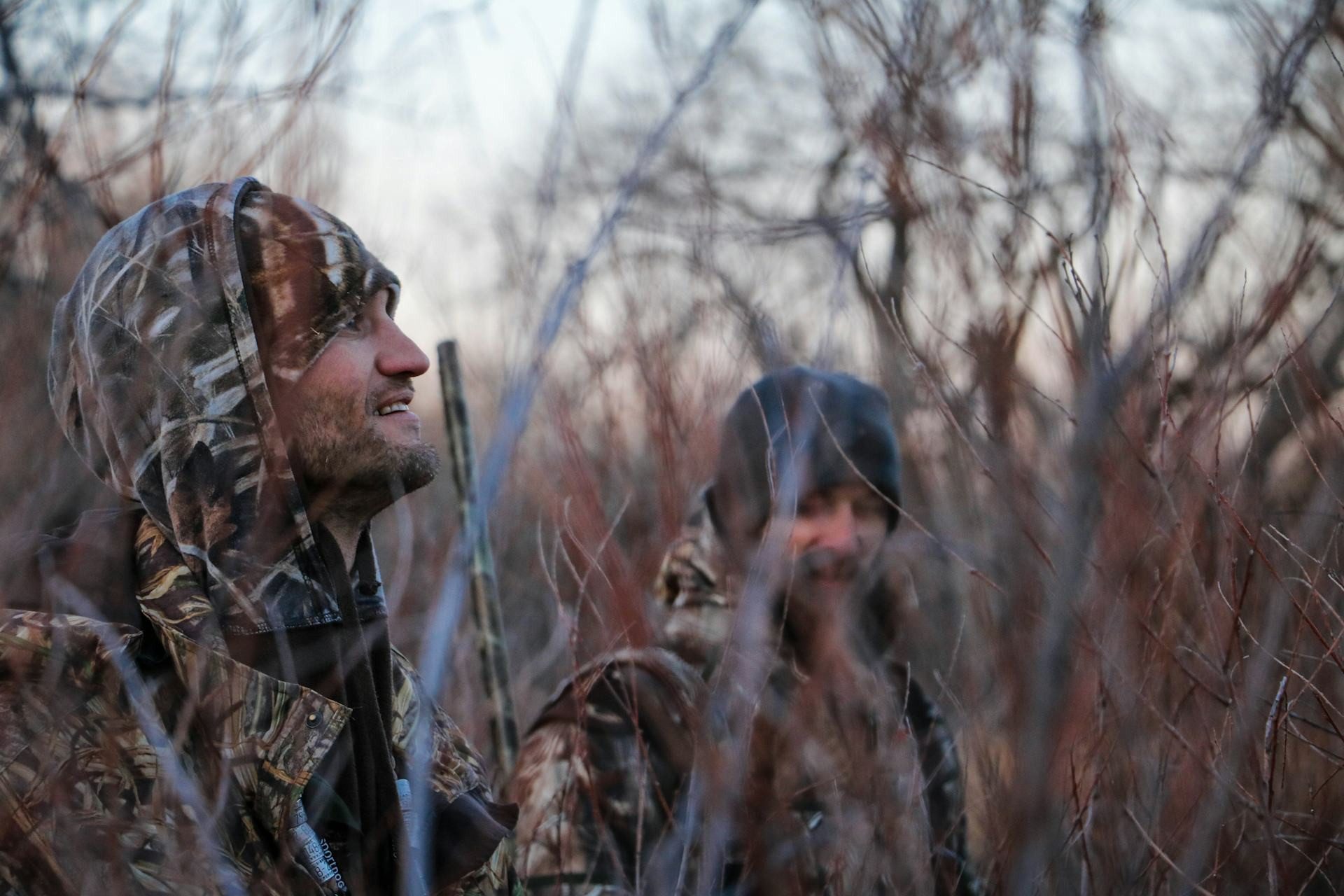
Ethical Judgment as a Hunter – Learn Through Experience and Reflection
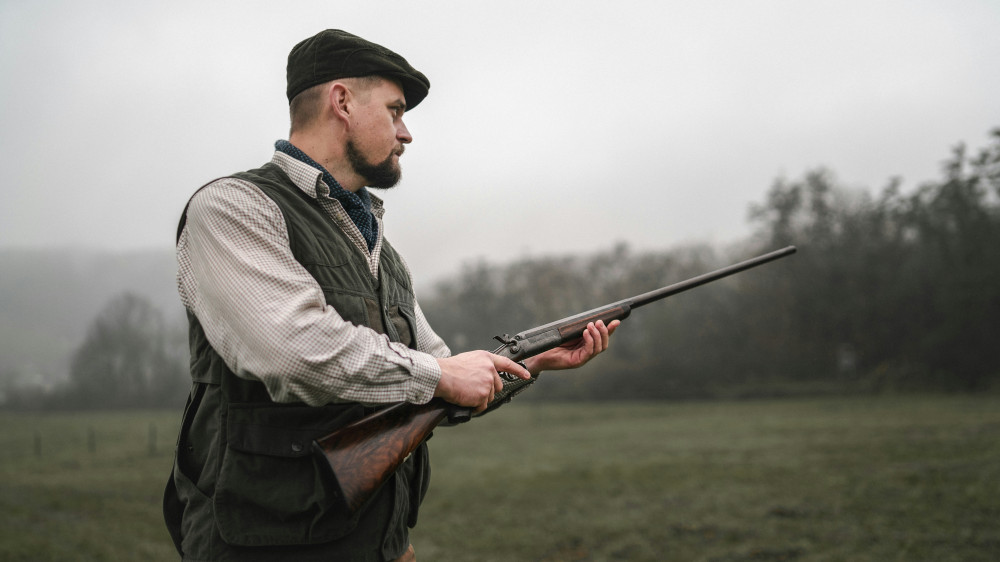
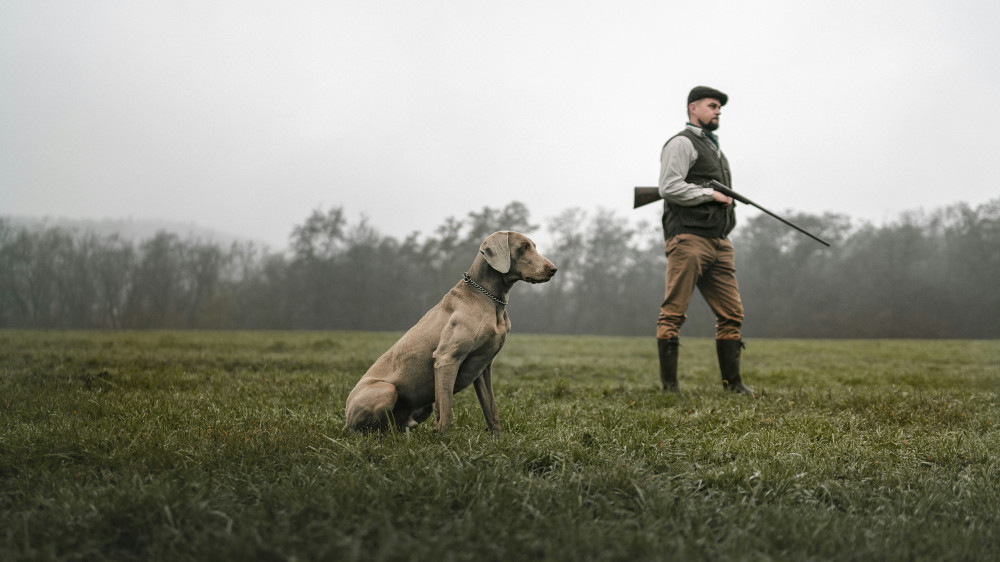
Being a hunter is about far more than marksmanship or understanding animal behavior. It is equally about making sound ethical decisions—before, during, and after the shot. Ethical judgment is a skill that develops over time through experience, reflection, and dialogue with other hunters. It is part of the responsibility that comes with carrying a firearm and taking part in the stewardship of wildlife.
Ethics as the Foundation of Hunting
Hunting ethics are rooted in respect—for the animal, for the land, and for other people. Ethical hunting means striving for a quick, humane kill, avoiding unnecessary suffering, and being mindful of safety and surroundings. Yet ethics are rarely black and white. They require judgment in situations where the rules alone may not provide a clear answer.
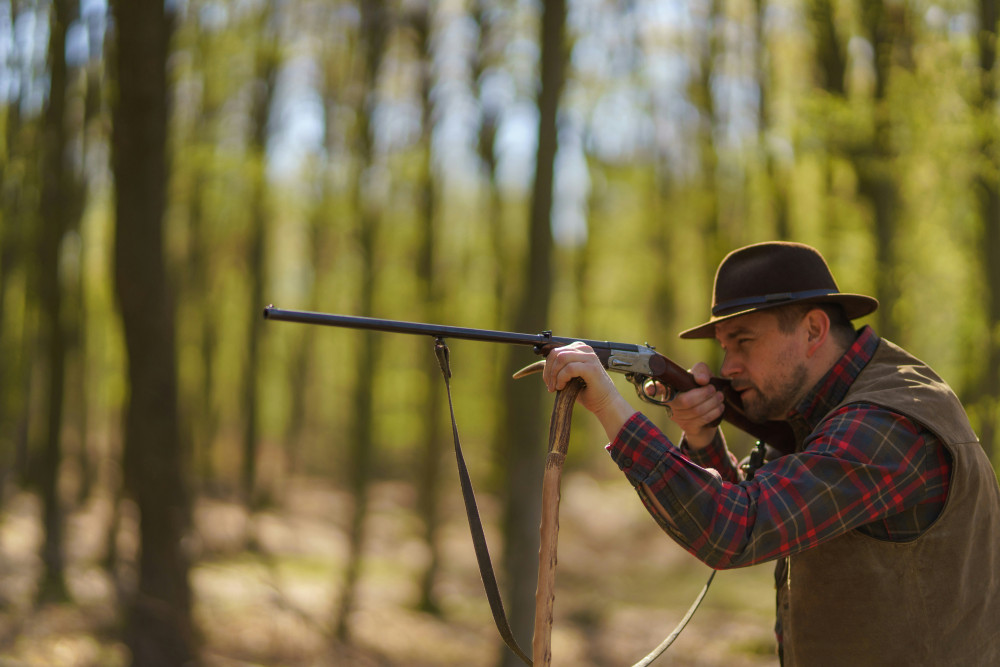
Consider a moment when a deer stands partially obscured by brush or when fading light makes it hard to see clearly. The ethical hunter must decide whether the shot can be taken safely and humanely. Often, the right choice is to hold fire. That decision takes discipline, patience, and experience—qualities that define a responsible hunter.
Experience as the Teacher
No one becomes an ethically mature hunter overnight. Experience plays a crucial role. Every hunt, every observation, and every conversation with seasoned hunters helps shape one’s judgment. Many hunters can recall early moments of doubt and how reflecting on those experiences helped them grow.
Learning from both successes and mistakes is a vital part of hunting culture. In the United States, this often happens through hunter education programs, mentorships, and local hunting clubs. Taking time to discuss difficult situations with others turns ethics from a set of rules into a shared learning process.
Reflection – The Key to Growth
Reflection transforms experience into insight. After a hunt, it can be valuable to ask: What went well? What could I have done differently? Were there moments of uncertainty, and how did I handle them?
By thinking critically about one’s actions and motivations, a hunter becomes more aware of personal limits and values. This awareness strengthens the ability to act ethically in future situations. Some hunters keep journals or notes about their hunts, allowing them to revisit and learn from past experiences.
Læs også:

The Role of Community
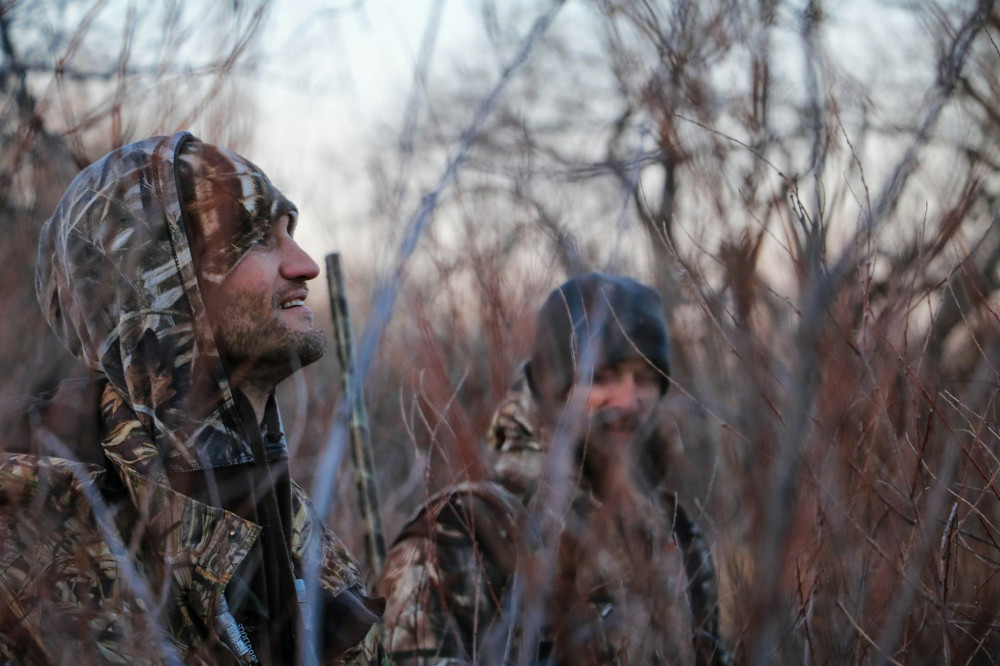
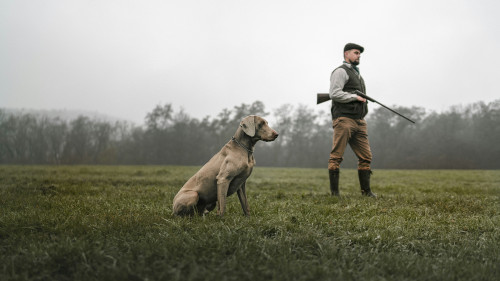
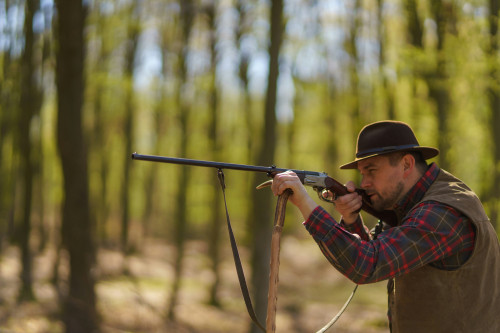
Ethical judgment does not develop in isolation. Hunting is deeply tied to community, where norms and values are shaped through shared experience. When experienced hunters take the time to mentor newcomers, they help preserve a culture of respect and responsibility. The goal is not to judge others but to support one another in becoming better hunters.
At the same time, hunters share a collective responsibility for the public image of hunting. A single unethical act can damage the reputation of the entire hunting community. Upholding high ethical standards and speaking openly about ethics helps ensure that hunting remains respected as a legitimate and responsible tradition.
A Lifelong Responsibility
Ethical judgment is not something one masters once and for all. Nature changes, technology evolves, and society’s expectations shift. Hunters must continually adapt their understanding of what responsible hunting means. It is a lifelong process that requires humility and a willingness to learn.
Ultimately, being an ethical hunter means taking responsibility—not only for each shot but for the future of hunting itself. Through experience, reflection, and open dialogue, hunters can uphold a tradition that is about more than harvesting game. It is about living in respect and balance with the natural world.
Læs også: