Train Your Dog to Stay Calm in the Blind Before the Shot

Train Your Dog to Stay Calm in the Blind Before the Shot
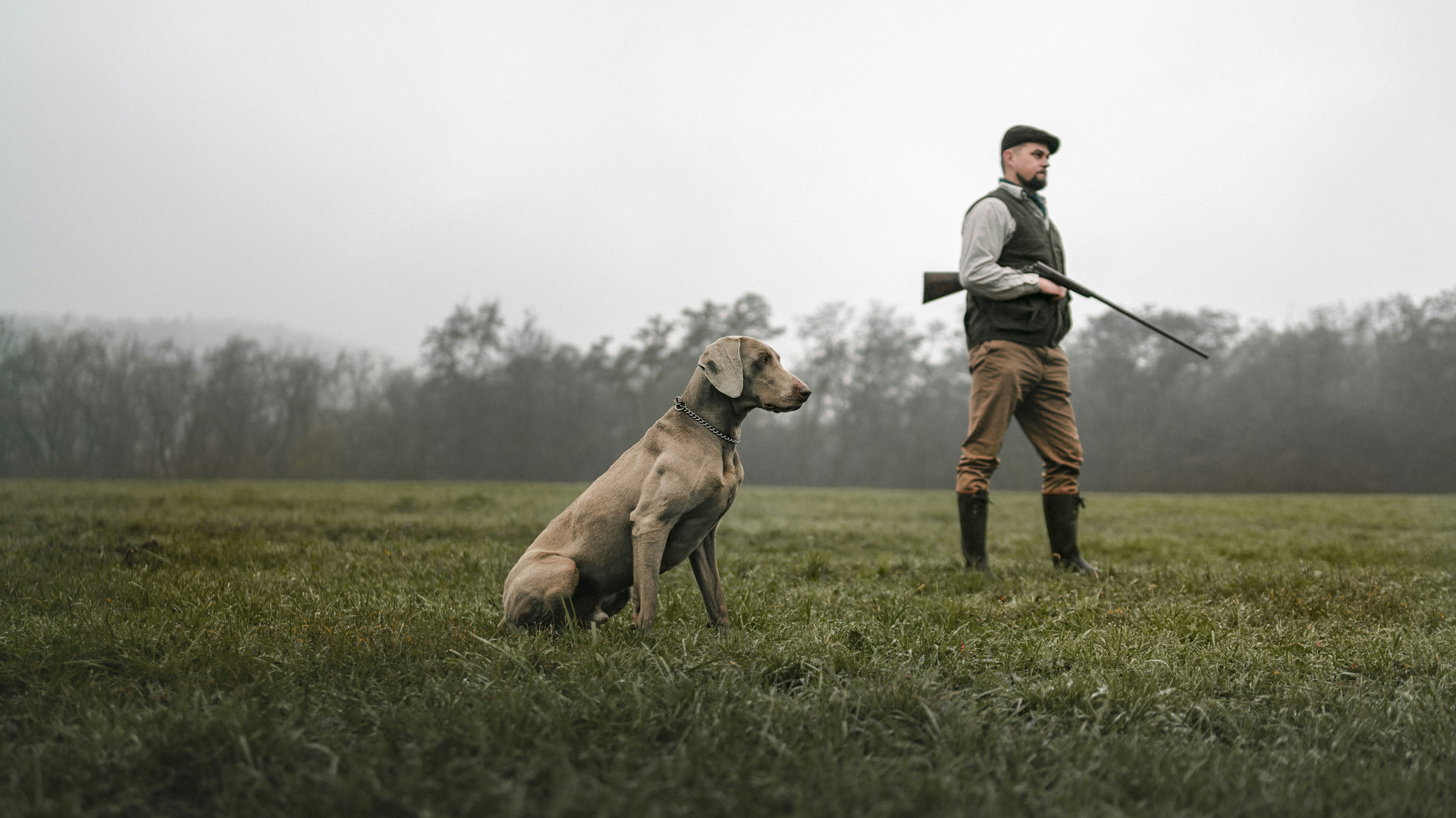
A well-trained hunting dog is more than just a helper in the field – it’s the key to a safe, controlled, and enjoyable hunt. One of the most important skills your dog can learn is to stay calm in the blind before the shot. This discipline takes patience, consistency, and an understanding of your dog’s instincts. Here’s a guide to help you teach your dog to remain steady when excitement peaks.
Why Calmness in the Blind Matters
During a hunt, your dog is surrounded by sights, sounds, and scents that can trigger excitement. If your dog breaks, whines, or lunges forward before the shot, it can ruin the setup, scare off birds, or even create unsafe situations. A dog that stays still until released is not only safer but also more effective as a hunting partner.
Teaching calmness isn’t about suppressing your dog’s drive – it’s about channeling it. Your dog should learn that patience is part of the job and that the reward comes from waiting for your command.
Start Training in a Controlled Environment
Before heading to the field, begin training at home or in your backyard. Use a mat, kennel, or designated spot as the “blind.” Give a command such as “stay” or “place,” and reward your dog for remaining calm. Keep sessions short at first – 10 to 20 seconds is enough – and gradually increase the duration as your dog learns what’s expected.
The key is to make calm behavior rewarding. If your dog gets up, gently guide it back to the spot without scolding. Consistency and a calm demeanor from you will help your dog understand that staying put is the right choice.
Add Distractions Gradually
Once your dog can stay calm in a familiar setting, begin introducing distractions. Start small – move around, open a door, or toss a dummy nearby. The goal is for your dog to learn that movement or noise doesn’t mean it’s time to go.
As your dog improves, add more realistic hunting sounds: clapping, calling, or using a starter pistol. Take it slow. If your dog shows signs of stress or anxiety, reduce the intensity and return to a level where it feels confident. Building steadiness takes time, and pushing too fast can set you back.
Practice in Realistic Hunting Conditions
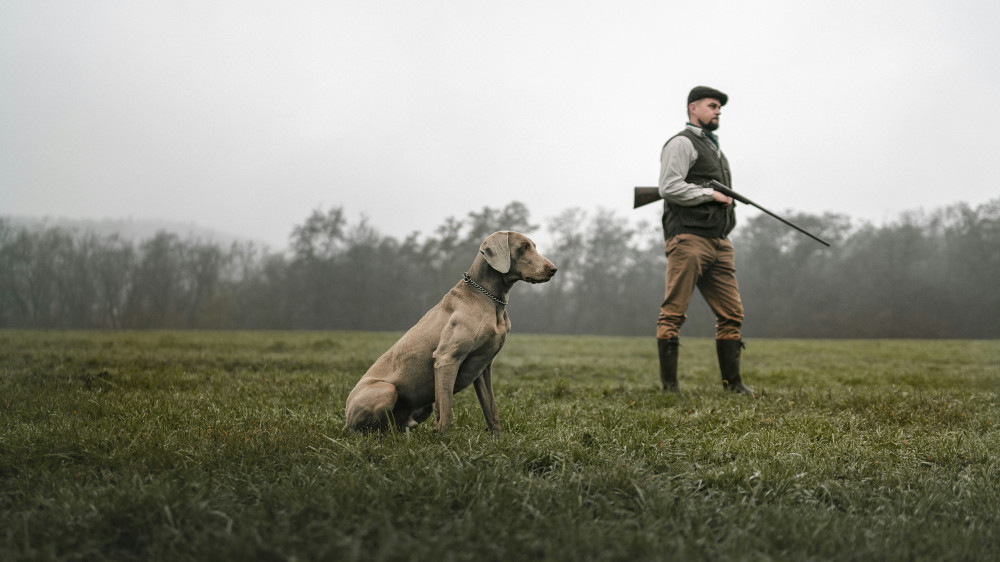
When your dog can stay calm through basic distractions, it’s time to move training to the field. Set up a real blind or use a camo net, and have your dog lie on its mat or designated spot. Practice sitting quietly together while simulating hunting scenarios – tossing dummies, having a partner walk by, or calling birds.
Your own behavior matters as much as your dog’s. Dogs read our body language, so if you’re tense or impatient, your dog will sense it. Keep your tone steady, use consistent commands, and reward calmness every time your dog gets it right.
Introducing Gunfire – The Final Step
Once your dog is steady in the blind, you can begin introducing gunfire. Start at a distance so the sound isn’t overwhelming. Use a starter pistol or shotgun with blanks, and make sure your dog stays in place. Reward calm behavior and stop the session if your dog becomes uneasy.
Gradually move closer over several sessions until your dog can remain relaxed even when the shot is fired nearby. This process can take weeks or even months, but patience pays off. A dog that’s confident around gunfire is a safer and more reliable hunting companion.
Reward Calmness, Not Action
A common mistake is rewarding the dog when it breaks to retrieve. Instead, reward the calmness before the action. Only release your dog when you give the command – not when the shot or the fall of the bird triggers excitement. Use a clear release word like “fetch” or “okay” so your dog knows exactly when it’s time to move.
This teaches your dog that your command, not the sound of the gun, is the signal to work.
Læs også:

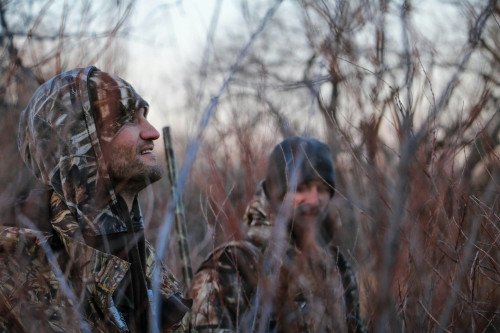
A Calm Dog Makes for a Better Hunt
A dog that can stay calm in the blind makes every hunt safer, smoother, and more enjoyable. You can focus on the shot, and your dog will perform better because it’s not burning energy on excitement or anxiety. The process also strengthens the bond between you and your dog – built on trust, patience, and teamwork.
Training for calmness takes time, but it’s one of the best investments you can make. When you’re sitting in the blind on a crisp morning, waiting for the first birds to fly, you’ll appreciate the quiet confidence of a dog that’s steady, focused, and ready – calm before the shot.
Læs også: