From Light to Full-Bodied: Understanding Wine’s Flavor Profiles and Character


From Light to Full-Bodied: Understanding Wine’s Flavor Profiles and Character
Standing in front of a wall of wine bottles can feel overwhelming. Some are described as light and crisp, others as rich and full-bodied—but what do those terms really mean? A wine’s flavor profile is shaped by its structure, intensity, and the balance between acidity, sweetness, tannin, and alcohol. Understanding these elements makes it easier to choose wines that suit your taste and the occasion.
What Do “Light” and “Full-Bodied” Mean?
When we talk about a wine’s “body,” we’re referring to how it feels in your mouth—its weight and texture. A light-bodied wine feels refreshing and delicate, while a full-bodied wine feels round, rich, and more intense.
- Light-bodied wines usually have lower alcohol, higher acidity, and subtle flavors. They feel lively on the palate and pair well with lighter dishes like seafood, salads, and chicken. Examples include Pinot Noir, Beaujolais, and Sauvignon Blanc.
- Full-bodied wines tend to have higher alcohol, more tannin, and deeper, richer flavors. They feel smooth and warm in the mouth and complement hearty dishes like steak, lamb, or stews. Classic examples include Cabernet Sauvignon, Syrah, and oak-aged Chardonnay.
Between these two extremes lies a wide range of medium-bodied wines that balance freshness with structure—perfect for many everyday meals.
The Key Elements of Wine’s Flavor
A wine’s character comes from several components that work together to create its unique taste.
- Acidity brings freshness and liveliness. High-acid wines taste crisp and mouthwatering, while low-acid wines feel softer and rounder.
- Tannin is found mainly in red wines and comes from grape skins, seeds, and oak aging. It adds structure and a slight drying sensation on the tongue.
- Sweetness can range from bone-dry to dessert-sweet. Even dry wines may have a touch of residual sugar that softens the flavor.
- Alcohol contributes to body and warmth. Higher alcohol often makes a wine feel fuller and richer.
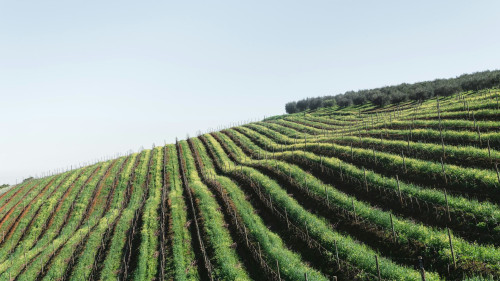
- Fruit and aroma depend on grape variety and climate. Cooler regions produce wines with bright, tart fruit notes, while warmer areas yield riper, more luscious flavors.
When these elements are in harmony, the wine feels balanced—whether it’s light or full-bodied.
The Role of Climate and Grape Variety
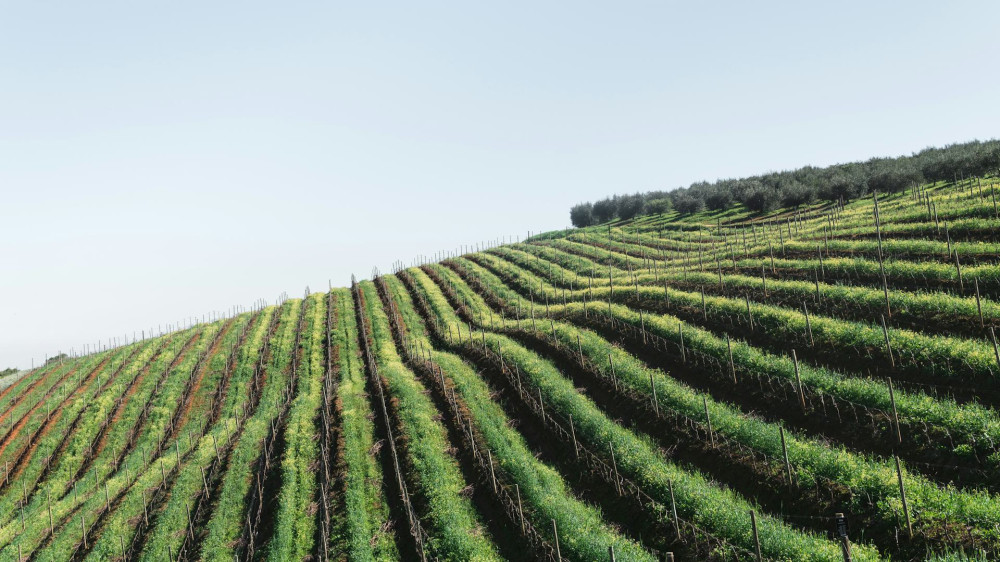
Where grapes are grown has a major impact on a wine’s style. In cooler climates like Oregon’s Willamette Valley, New Zealand, or France’s Loire Valley, grapes ripen slowly, producing wines with higher acidity and lower alcohol. In warmer regions such as California’s Napa Valley, Tuscany, or Australia’s Barossa Valley, grapes develop more sugar and flavor, resulting in fuller, richer wines.
Grape variety also plays a key role. Pinot Noir is almost always lighter than Cabernet Sauvignon, no matter where it’s grown. Still, climate and winemaking choices can shift the expression—a California Pinot Noir, for example, is often riper and fuller than one from Burgundy.
Pairing Wine and Food
Pairing wine with food is about balance—matching the weight and intensity of the wine with the dish. A delicate wine can be overwhelmed by a heavy meal, while a bold wine can overpower a subtle dish.
- Light-bodied wines pair beautifully with seafood, salads, and vegetable dishes.
- Medium-bodied wines work well with poultry, pasta, and creamy sauces.
- Full-bodied wines shine alongside red meat, game, and rich, savory dishes.
A simple rule of thumb: the heavier the food, the fuller the wine should be.
Discovering Your Own Taste
Taste is personal, and the best way to learn what you like is to explore. Try wines from different regions and grape varieties, and pay attention to how they feel in your mouth. Do you prefer crisp acidity or smooth richness? Over time, you’ll start to recognize patterns in your preferences—making it easier to choose wines you truly enjoy.
A fun experiment is to taste the same grape from different climates. Compare, for instance, a Riesling from Washington State with one from Germany. The contrast in acidity, sweetness, and body reveals how climate shapes a wine’s personality.
Læs også:


From Light to Full-Bodied—A Journey of Flavor
Understanding wine’s flavor profiles isn’t about memorizing technical terms—it’s about discovering what pleases your palate. Every bottle tells a story of grape, place, and craftsmanship. By tasting mindfully, you can appreciate how both light and full-bodied wines have their own charm.
Whether you’re sipping a crisp white on a summer afternoon or enjoying a bold red by the fire, the key is finding the balance that suits you. The world of wine is vast, and the journey from light to full-bodied is one of the most rewarding—and delicious—adventures you can take.
Læs også: