Train Your Palate – Simple Exercises for a More Nuanced Wine Experience

Train Your Palate – Simple Exercises for a More Nuanced Wine Experience
Enjoying a glass of wine isn’t just about drinking—it’s about tasting. Your palate can be trained just like any other sense, and with a bit of practice, you can start noticing layers of flavor and aroma you may have missed before. Whether you’re new to wine or already have some experience, a more mindful approach to tasting can make every sip more rewarding. Here are some simple exercises to help you refine your palate and deepen your wine experience.
Start by Understanding Your Senses
Tasting wine is a full-sensory experience. Your tongue detects the basic tastes—sweet, sour, salty, bitter, and umami—while your nose picks up the complex aromas that define a wine’s character. Your eyes take in color and clarity, and your mouth senses texture and body.
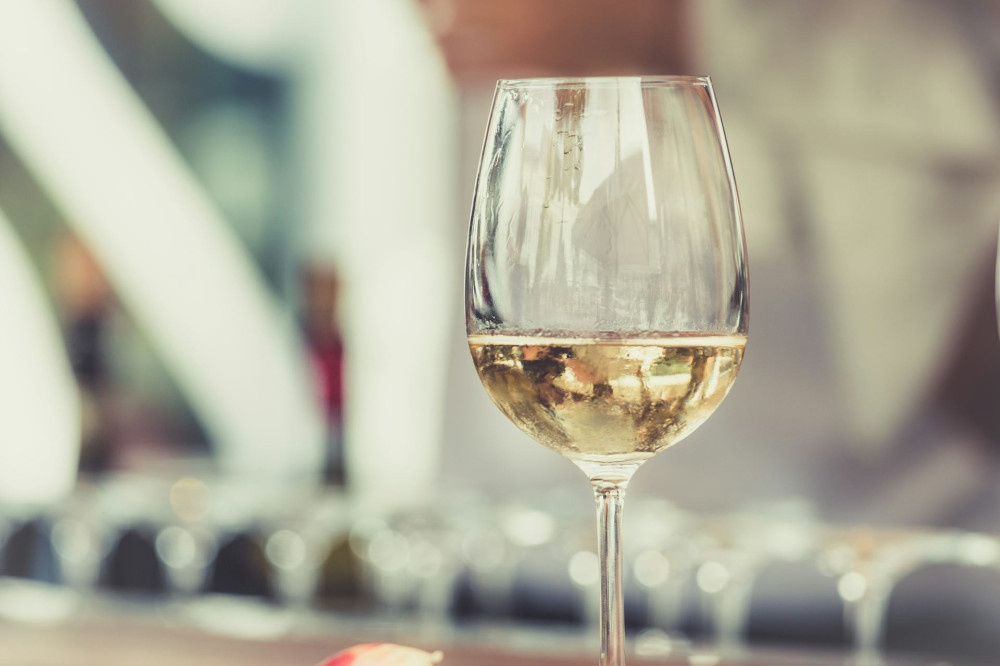
A good way to start is by focusing on one sense at a time. Look at the wine in your glass: is it pale or deep in color, clear or hazy? Then move on to the aroma—take a few slow sniffs and describe what you notice without worrying about being “right.” The goal is to become more aware of your own impressions.
Train Your Nose – The Power of Aroma
Aroma is the key to understanding wine. To sharpen your sense of smell, practice identifying familiar scents in your daily life. Head to your kitchen and smell fresh fruits, herbs, spices, coffee, or vanilla. Try to describe each scent and commit it to memory.
Later, when you smell a wine, you’ll be better equipped to recognize notes like citrus, berries, oak, or pepper. A fun exercise is to fill small jars with different ingredients—like cinnamon, lemon peel, or mint—and test yourself with your eyes closed. This strengthens both your memory and concentration.
Taste with Intention
When you taste wine, take small sips and let the wine move around your mouth. Notice where you sense sweetness, acidity, or bitterness. Try to describe the texture and flavor: is it crisp, smooth, dry, or bold?
Comparing two wines side by side is one of the best ways to train your palate. For example, taste a young Cabernet Sauvignon next to an older vintage of the same grape. The differences in aroma, texture, and finish will stand out more clearly. Write down your impressions and see how your notes evolve over time.
Practice Balance and Finish
A great wine experience isn’t just about the first sip—it’s about how the flavors unfold and linger. After swallowing, pay attention to the finish: how long does the taste stay with you, and how does it change? A long, harmonious finish often signals quality.
You can also practice identifying balance in a wine—the interplay between acidity, sweetness, alcohol, and tannins. If one element dominates, the wine may feel unbalanced. Learning to recognize this helps you understand why you enjoy certain wines more than others.
Læs også:

Use Food as a Training Partner
Food and wine influence each other in fascinating ways. A crisp, acidic wine can brighten a rich dish, while a creamy sauce can soften a wine’s sharp edges. Experiment by tasting the same wine with different foods and notice how the flavors shift.
Try a simple exercise: taste a wine with something salty, something sweet, and something acidic—like cheese, chocolate, and a slice of apple. You’ll quickly see how each flavor changes your perception of the wine.
Make Tasting a Habit
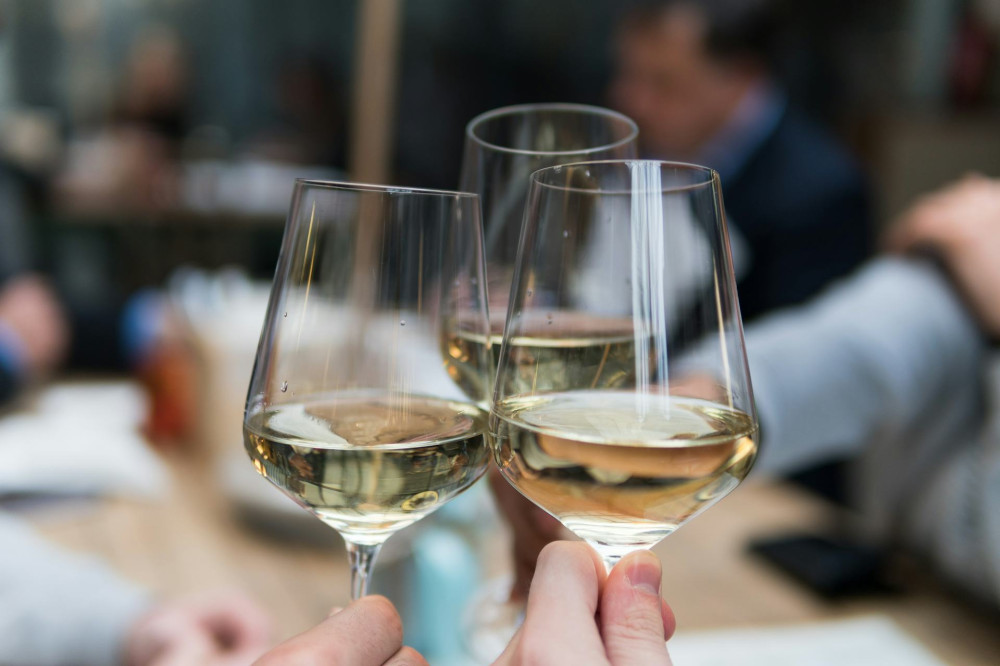
Training your palate doesn’t require fancy tools—just curiosity and attention. Set aside time for small tasting sessions at home, either alone or with friends. Talk about what you experience, and remember that there are no “wrong” answers. The more you practice, the more refined your sense of taste will become.
Over time, you’ll find that you’re not just drinking wine—you’re truly experiencing it. And that’s where the real joy of wine begins.
Læs også: