The Home Winemaker’s Guide: How to Recreate Professional Winemaking on a Small Scale

The Home Winemaker’s Guide: How to Recreate Professional Winemaking on a Small Scale
Making your own wine at home is a rewarding blend of craft, patience, and science. For many enthusiasts, it starts with curiosity—can you really produce something that rivals what you find on store shelves? The answer is yes, if you understand the fundamentals of professional winemaking and adapt them to a smaller scale. Here’s a guide to help you bring professional techniques into your kitchen, basement, or garage.
Choose the Right Fruit
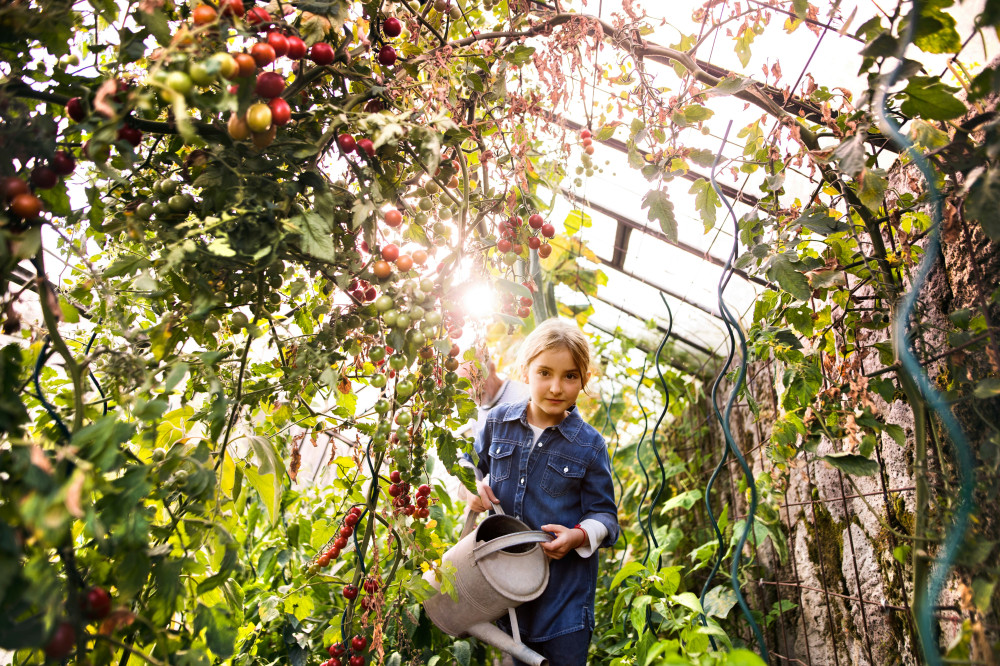
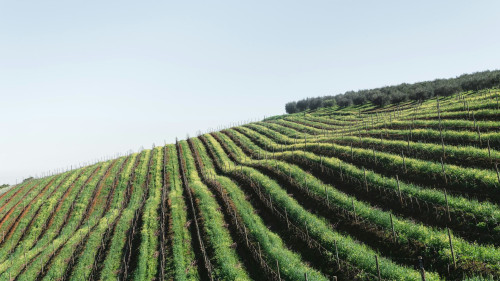
Professional winemakers always start with the best possible grapes—and so should you. In the U.S., home winemakers have access to a wide range of grape varieties depending on region. If you live in California, Oregon, or Washington, you might find fresh wine grapes like Cabernet Sauvignon, Merlot, or Chardonnay from local vineyards. In cooler climates, hybrids such as Marquette, Frontenac, or Seyval Blanc can thrive and produce excellent results.
If fresh grapes aren’t available, you can buy frozen must or juice from winemaking suppliers. Many homebrew stores and online retailers sell high-quality juice kits that mimic professional blends. You can also experiment with other fruits—apples, blackberries, peaches, or blueberries—to create unique fruit wines. Whatever you choose, make sure the fruit is ripe, clean, and free of mold. The quality of your raw material sets the ceiling for your wine’s potential.
Equipment: Simple but Sanitary
You don’t need a full winery setup to make good wine, but a few key tools are essential:
- Fermentation bucket or glass carboy – for the primary fermentation.
- Airlock and stopper – to let carbon dioxide escape while keeping oxygen and bacteria out.
- Wine yeast – choose a strain suited to your wine style.
- Hydrometer and acid test kit – to measure sugar and acidity levels.
- Siphon hose and bottles – for racking and bottling.
Cleanliness is critical. Even a small amount of contamination can ruin a batch. Use a food-grade sanitizer on all equipment and rinse thoroughly before use. Professional winemakers obsess over sanitation—and so should you.
Fermentation: The Heart of Winemaking
When you add yeast to your must, the transformation begins. The yeast consumes sugar and produces alcohol and carbon dioxide. Temperature control is key: too warm, and you risk off-flavors; too cool, and fermentation may stall. Most wines ferment best between 65°F and 72°F.
During fermentation, grape skins and pulp may rise to the surface, forming a “cap.” Stir or punch it down daily to keep it moist and prevent spoilage. When bubbling in the airlock slows down, fermentation is nearly complete.
Clarifying and Racking
After fermentation, let the wine rest so sediment can settle. Then, carefully siphon the clear wine into a clean container, leaving the sediment behind. This process, called racking, can be repeated every few months to improve clarity and stability.
Professionals often use fining agents to speed up clarification, but patience and cool storage can achieve the same effect naturally.
Aging and Storage
Time transforms wine. Even a simple homemade batch can improve dramatically with a few months of aging. Store your wine in a cool, dark place—ideally between 50°F and 60°F—and avoid temperature swings that can affect flavor.
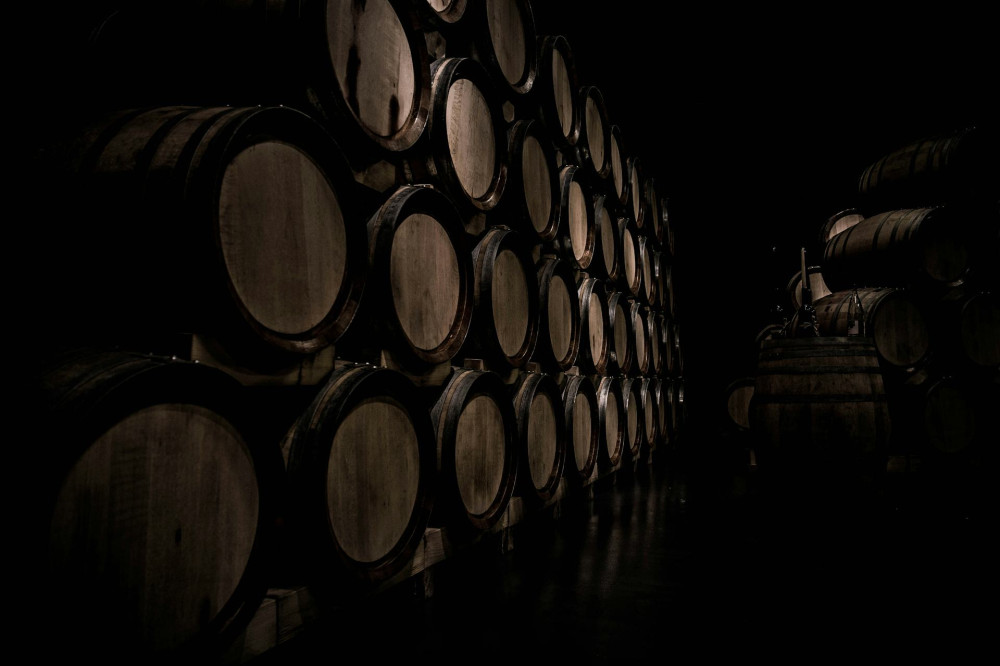
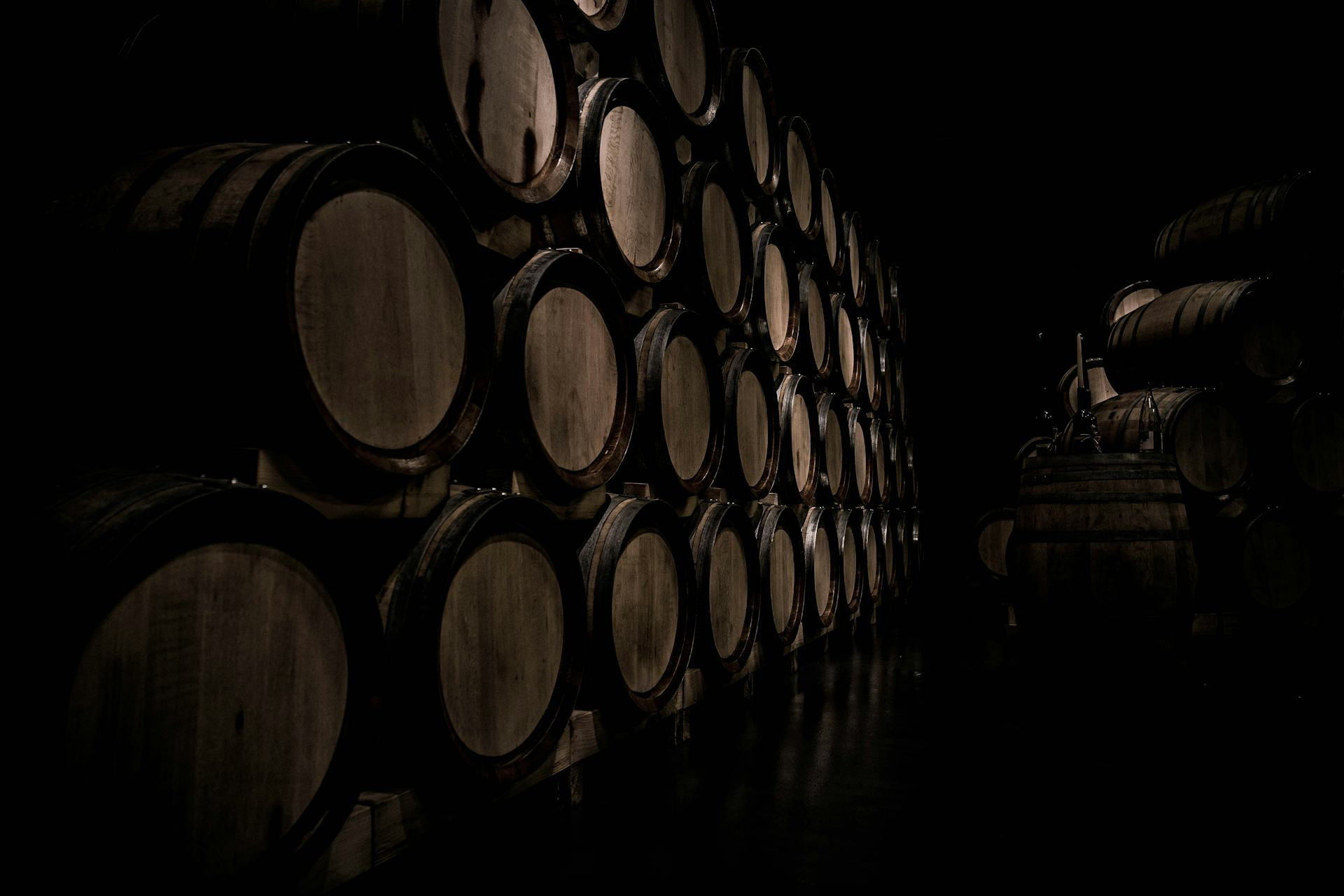
To mimic barrel aging, you can add oak chips or staves to your wine. They impart subtle notes of vanilla, spice, and toast, similar to what you’d find in professionally aged wines. Start with small amounts and taste periodically to avoid overpowering the wine.
Taste and Adjust
When your wine has cleared and matured, it’s time for the best part—tasting. If it’s too tart, you can balance it with a touch of sugar syrup. If it’s too sweet, allow it to ferment a bit longer or blend it with a drier wine. Keep detailed notes on every batch—professionals do this religiously. Tracking your adjustments helps you refine your technique and understand how variables like temperature, yeast strain, and sugar levels affect the final product.
Læs også:

Share and Learn
Winemaking is a journey of experimentation and discovery. Join local home winemaking clubs or online communities to exchange tips, troubleshoot problems, and share your creations. Many regions host amateur wine competitions where you can get feedback from experienced judges.
Home winemaking isn’t just about copying the professionals—it’s about understanding the craft and developing your own style. With patience, curiosity, and respect for the process, you can create wines that not only taste great but also tell the story of your own small-scale vineyard at home.
Læs også: