The Importance of Vintages: Learn to Use Wine Guides as Your Roadmap to a Wine’s Character

The Importance of Vintages: Learn to Use Wine Guides as Your Roadmap to a Wine’s Character
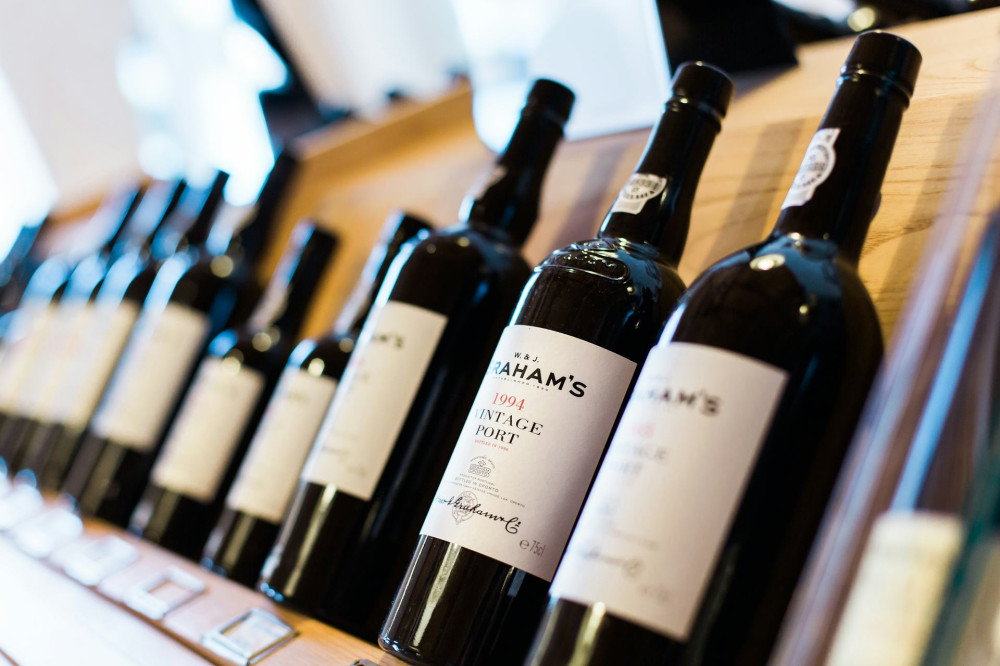
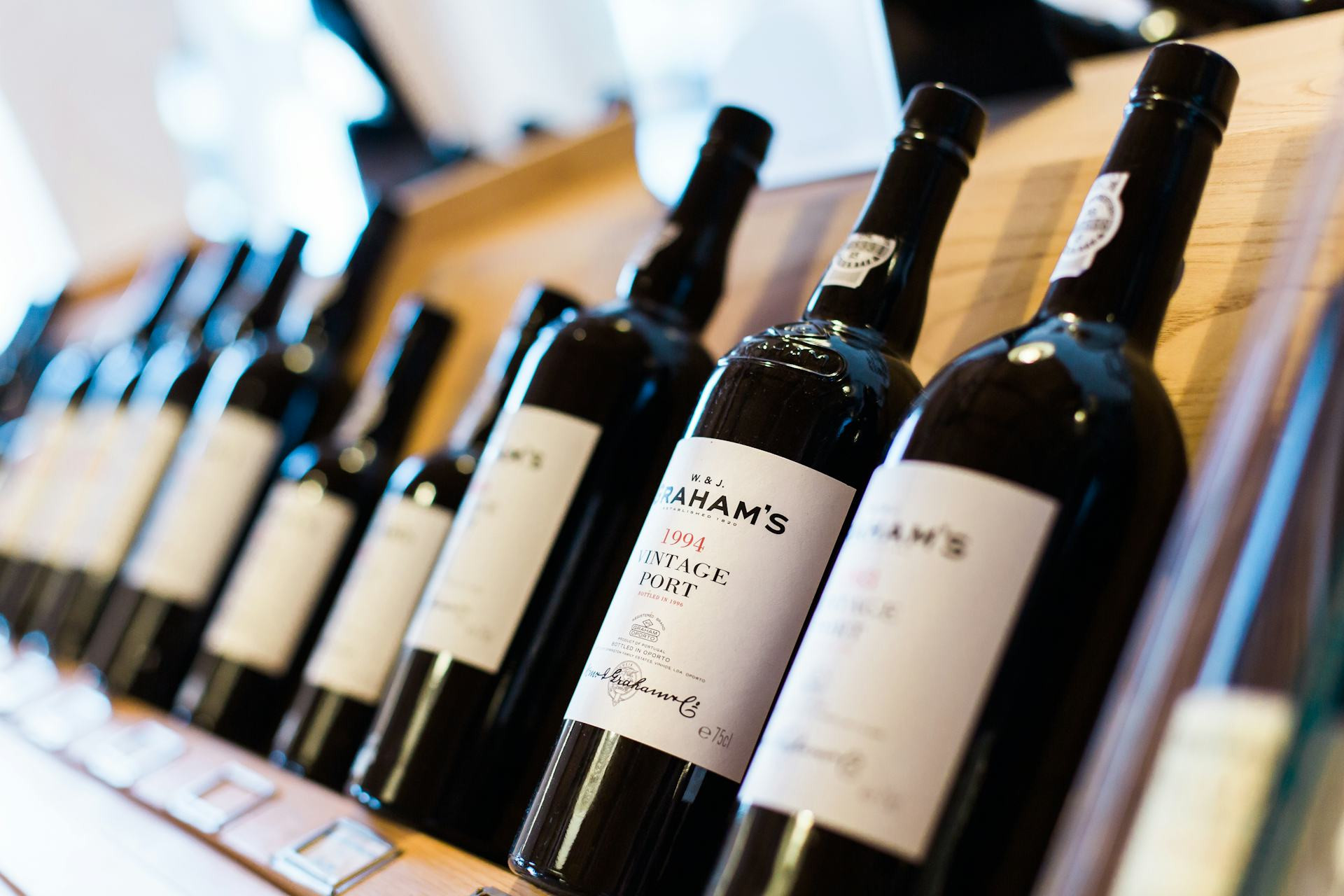
When you’re standing in front of a wine shelf and notice years like 2015, 2018, or 2020 on the labels, those numbers might seem like small details. But for wine lovers, they’re the key to understanding a wine’s personality. A vintage tells the story of the year the grapes were harvested—its weather, ripeness, and potential quality. With the help of a good wine guide, you can learn to use vintages as a compass that points you toward the best bottles.
What Does a Vintage Really Mean?
A wine’s vintage indicates the year the grapes were picked. That means the wine’s flavor, structure, and balance are deeply influenced by the climate conditions of that particular year. A warm, sunny season can produce ripe, full-bodied wines with higher alcohol levels, while a cooler year often results in fresher wines with higher acidity and more finesse.
In regions like Napa Valley, Bordeaux, or Tuscany, the difference between two vintages can be striking. A 2016 Napa Cabernet might be rich and age-worthy, while a 2017 could be softer and ready to drink sooner. That’s why the vintage is such an important reference point—especially when buying wines from regions where weather varies significantly from year to year.
How to Read a Wine Guide’s Vintage Chart
Most wine guides include a vintage chart that rates each year’s quality across different wine regions. These charts can look technical, but they’re incredibly useful tools when choosing a bottle.
- High scores (90–100) indicate an outstanding year—wines from these vintages often have great depth and aging potential.
- Good years (80–89) produce balanced wines that are enjoyable earlier.
- Challenging years (below 80) can still yield excellent wines, especially from skilled producers who know how to adapt to difficult conditions.
When using a vintage chart, remember that it’s a guideline, not a rule. A talented winemaker can craft an exceptional wine even in a tough year, while a less experienced producer might struggle in an otherwise perfect season.
The Role of Climate—and How It’s Changing
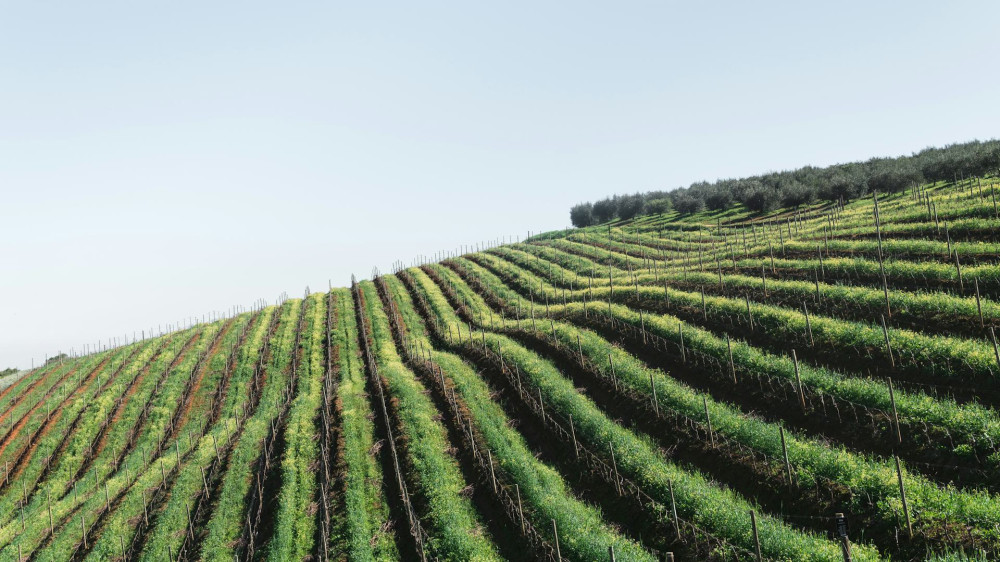
Climate is the single most important factor in winemaking. Sun, rain, wind, and temperature all shape the grapes’ sugar, acidity, and flavor profile. But as climate change continues to reshape weather patterns, new trends are emerging. Regions that once struggled with cool temperatures are now producing riper wines, while traditionally warm areas are experimenting with new techniques to preserve freshness.
This means that vintage charts from older wine guides don’t always translate directly to today’s conditions. A “cool” vintage in the 1990s might now be considered balanced, as winemakers have adapted to warmer climates through better vineyard management and timing of harvests.
Use the Vintage as a Guide—Not a Rulebook
While a vintage can tell you a lot, it’s only one part of the story. The producer’s style, the vineyard’s location, and the winemaking process all play major roles. A good rule of thumb is to use the vintage as a starting point—and then let your own taste preferences lead the way.
If you love crisp, lively wines, you might prefer vintages from cooler years. If you enjoy bold, ripe flavors, look for warmer vintages. Wine guides can help you find the right balance between vintage, region, and style.
Læs også:


How to Get the Most Out of Wine Guides
To make the best use of wine guides, try these steps:
- Find a guide you trust. Some focus on classic regions like California, France, or Italy, while others cover the entire world.
- Compare vintages. Look at how a region performs over several years to understand its consistency and evolution.
- Read producer recommendations. Many guides highlight winemakers who excel even in difficult years.
- Keep your own notes. Over time, you’ll discover which vintages and styles you personally enjoy most.
By doing this, wine guides become more than just reference books—they become learning tools that help you appreciate the nuances of wine.
A Journey Through Time and Taste
Exploring vintages is like traveling through wine’s history. Each bottle tells a story about the year it was born—about sunny days, rainy harvests, and the choices made by the winemaker. When you learn to use wine guides as your roadmap, you open the door to a deeper understanding of wine’s character and evolution.
So next time you’re choosing between two bottles from the same producer but different years, let curiosity lead the way. Taste the difference—and experience how time itself leaves its mark on the wine.
Læs også: