Wine and Wine Regions: Use Geography to Choose Smarter

Wine and Wine Regions: Use Geography to Choose Smarter
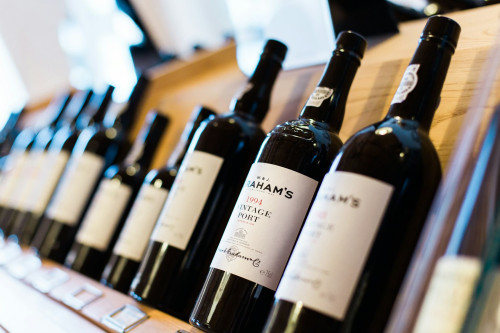
When you’re standing in front of a wall of wine bottles, it’s easy to pick based on the label or the price tag. But you can make much better choices if you understand how geography shapes a wine’s flavor. Climate, soil, and landscape all play a crucial role in how grapes ripen—and therefore in how the wine tastes. Here’s how you can use geography as your guide to choosing wine with more confidence and enjoyment.
The Role of Climate – From Cool to Warm
The first thing to consider is the climate of the region where the wine was made. In general, cool climates produce wines with higher acidity, lower alcohol, and fresher fruit flavors, while warm climates yield fuller-bodied wines with riper fruit and higher alcohol levels.
- Cool regions like Oregon’s Willamette Valley, Burgundy in France, and Germany’s Mosel produce elegant, lighter wines with notes of citrus, green apple, and minerality.
- Warm regions such as California’s Napa Valley, southern Italy, and Australia’s Barossa Valley create bold, rich wines with flavors of dark berries, chocolate, and spice.
Once you know which climate profile you prefer, it becomes much easier to find wines that match your taste—no matter the grape variety.
Soil and Terrain – The Hidden Foundation of Wine
Soil type has a major influence on how vines grow and how grapes develop. Chalky or limestone soils often produce wines with freshness and finesse, while clay soils can give more structure and body. Granite and slate contribute to minerality and complexity.
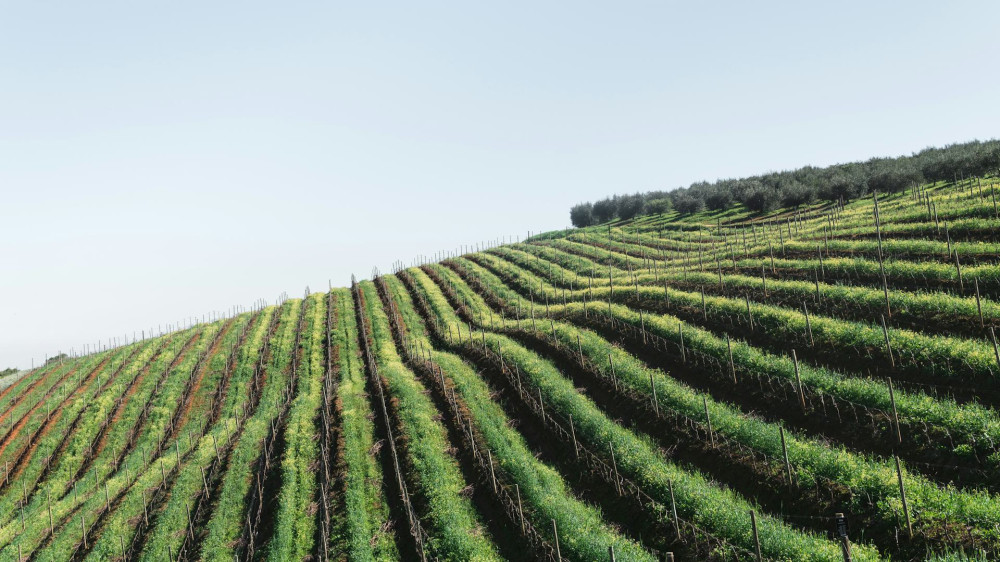
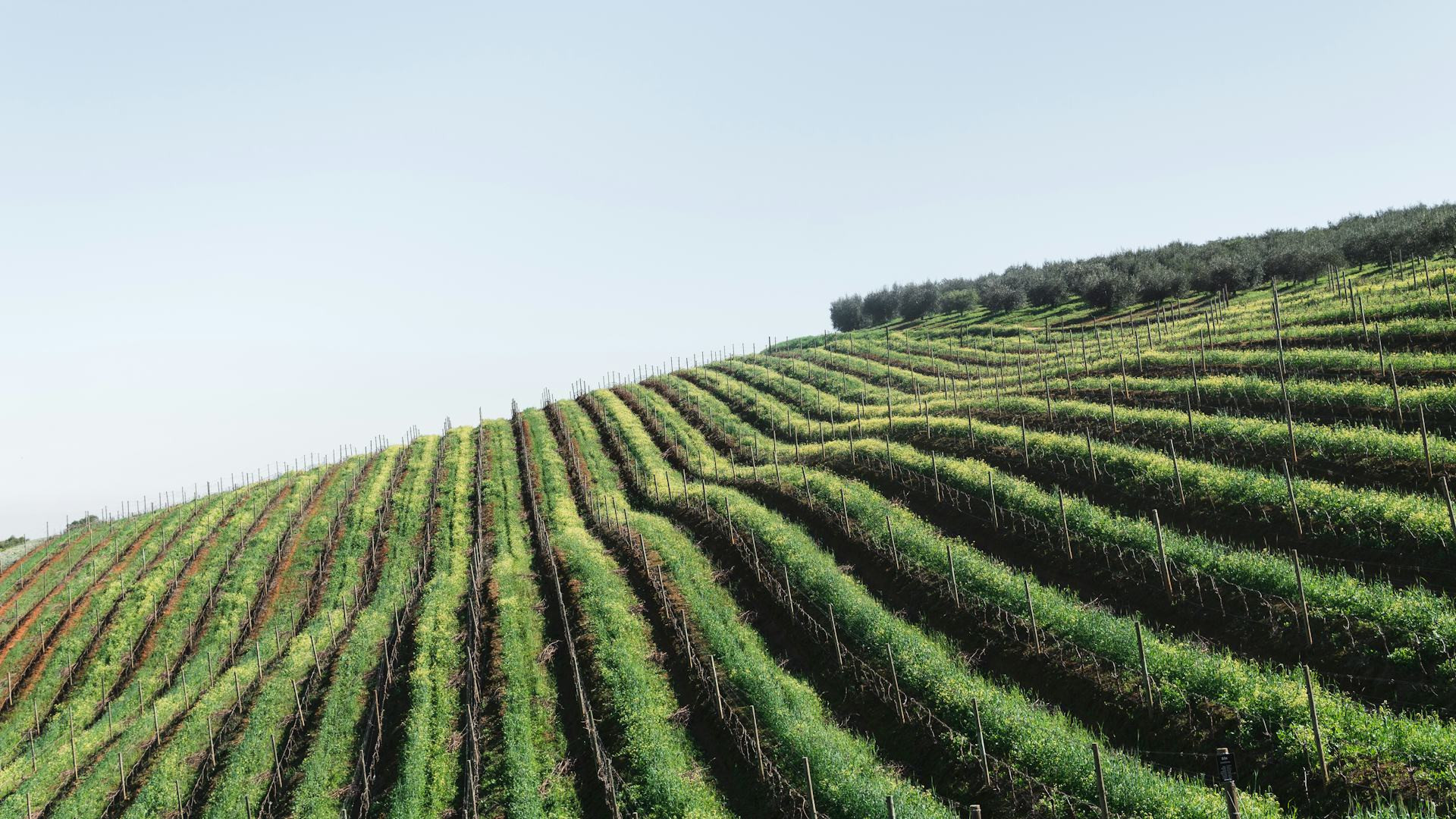
Terrain matters too: vineyards on slopes get more sunlight and better drainage, which can lead to more concentrated grapes. That’s why wines from steep hillsides in places like the Rhône Valley or the Mosel often taste more intense than those from flatter areas.
Understanding a bit about soil and terrain helps explain why two wines made from the same grape can taste completely different.
Classic Wine Regions – And What They’re Known For
The world is full of wine regions, but some have become iconic because their geography creates distinctive styles.
- Bordeaux (France) – A temperate climate and gravelly soils produce complex red blends of Cabernet Sauvignon and Merlot.
- Burgundy (France) – Cool climate and limestone soils yield refined Pinot Noir and mineral-driven Chardonnay.
- Tuscany (Italy) – Sunny hillsides give warm, spicy wines made from Sangiovese.
- Rioja (Spain) – Warm days and cool nights create balanced, elegant Tempranillo-based wines.
- Marlborough (New Zealand) – A cool coastal climate brings out the crisp acidity and tropical aromas of Sauvignon Blanc.
Knowing the geographic traits of a region helps you predict how a wine will taste—even before you open the bottle.
American Wine Regions – Geography at Home
You don’t have to look overseas to see geography’s impact on wine. The United States has a remarkable range of climates and landscapes that produce world-class wines.
- Napa Valley, California – Warm days and cool nights create powerful Cabernet Sauvignon and lush Chardonnay.
- Willamette Valley, Oregon – A cooler, wetter climate perfect for elegant Pinot Noir and bright Chardonnay.
- Finger Lakes, New York – Deep glacial lakes moderate the cold, allowing for crisp Riesling and aromatic whites.
- Texas Hill Country – Hot, dry conditions favor Mediterranean varieties like Tempranillo and Mourvèdre.
- Washington State – Sunny days and cool nights in regions like Walla Walla produce balanced Syrah and Cabernet.
Each region’s geography tells a story—and tasting wines from across the country is a great way to explore it.
Emerging Regions – Innovation Meets Nature
Beyond the traditional powerhouses, newer wine regions are gaining attention for their quality and creativity.
- Chile uses the cool air from the Andes and Pacific breezes to craft fresh, aromatic wines.
- Argentina grows grapes at high altitudes around Mendoza, where big temperature swings create bold yet balanced wines.
- South Africa combines warm sunshine with ocean winds, producing wines that balance ripe fruit with freshness.
These regions show how geography and innovation can work together—and how adventurous wine drinkers can discover exciting alternatives to the classics.
How to Use Geography When Choosing Wine
Next time you’re shopping for wine or ordering at a restaurant, think geographically:
- Check the origin – What country and region is it from?
- Consider the climate – Is it a cool or warm area?
- Think about style – Do you prefer freshness and acidity or richness and sweetness?
- Compare grapes – The same grape can taste very different depending on where it’s grown.
By using geography as your compass, you can narrow your choices and find wines that fit both your palate and the occasion.
Læs også:


The World of Wine Begins with a Map
Understanding the geography of wine is like having a map of flavor. The more you know about the land, the easier it becomes to navigate the shelves. You don’t need to be an expert—just curious. With every new bottle you try, you’ll learn a little more about how soil, climate, and people come together to create something unique.
So next time you pour a glass, think about where those grapes grew—and let geography be your guide to choosing smarter.
Læs også: